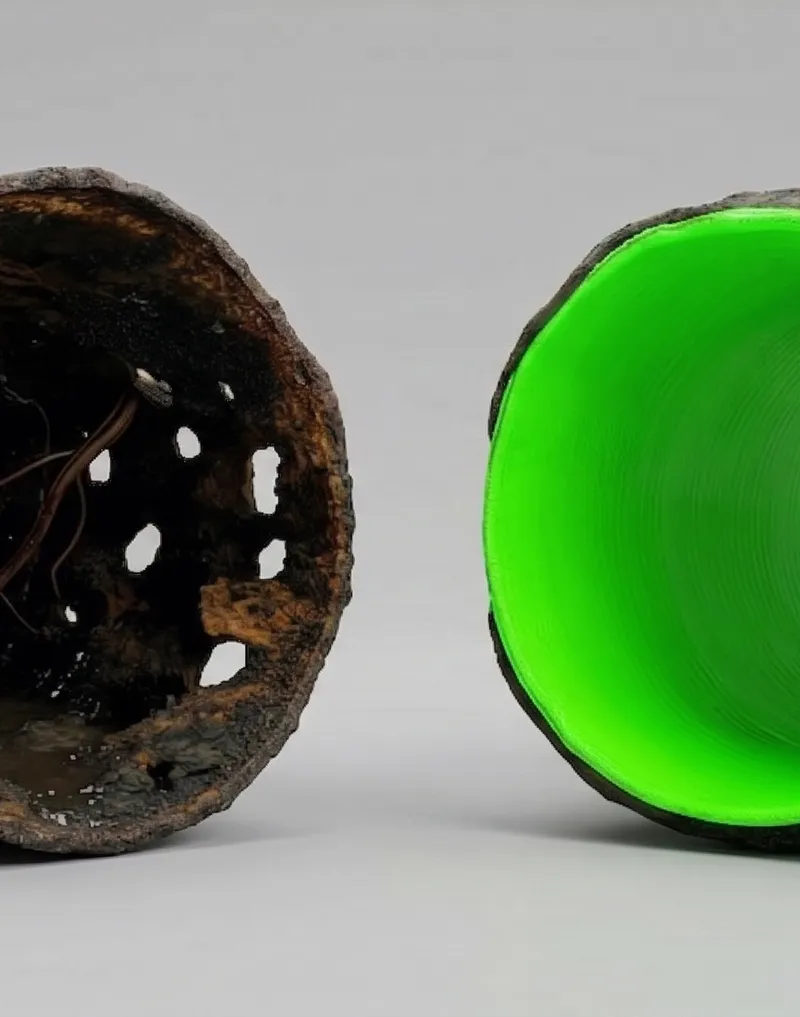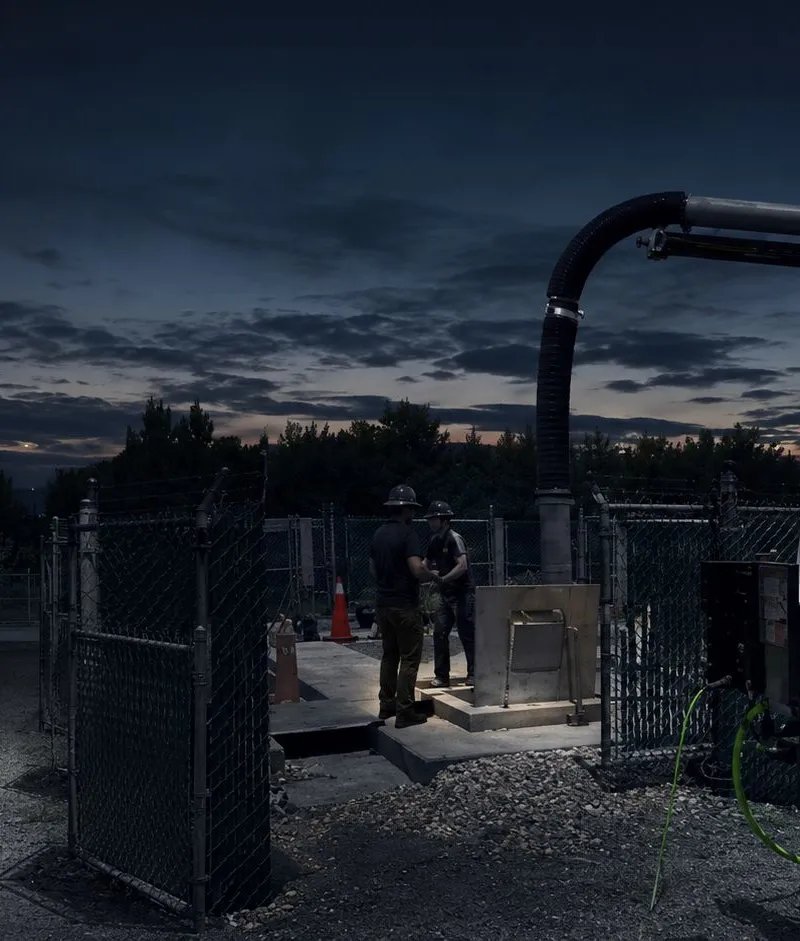
Commercial cast iron pipe rehabilitation restores suitable existing sewer piping through methods such as cured-in-place pipe (CIPP) lining, with the aim of reducing invasive replacement work. For older occupied buildings, the decision starts with documented pipe condition, access, connections, and service requirements, not a promise of no demolition or no downtime.
- Cast iron pipe rehabilitation requires documented condition, access, and method suitability before pricing.
- Southeast Services uses the Rehabilitation Readiness Report (R3) to document assessment findings for accurate rehabilitation pricing.
- CIPP lining, sectional point repair, and replacement address different conditions. Compare defined scopes, not labels.
- Occupied buildings need a written service interruption plan and specified completion records.
Why Cast Iron Pipe Rehabilitation Matters for Commercial Buildings
A pipe failure affects more than the line itself. Facility owners must account for access through finished spaces, unavailable fixtures, tenant coordination, and restoration after the work. Those requirements belong in the scope before bids are compared.
Age helps establish inspection priorities. It does not establish whether a particular pipe can be lined. Start with condition assessment that identifies the assets, records visible defects, and states any inspection limitations. A line hidden by scale or debris is not a complete basis for a rehabilitation decision.
Southeast Services provides cast iron pipe rehabilitation for commercial properties across Florida. Its proprietary Rehabilitation Readiness Report (R3) is a standardized pipeline condition assessment that documents everything needed to price a rehabilitation accurately. Every condition assessment technician is NASSCO certified. R3 assessments are performed by a nationally certified Building Sewer & Drain Inspector following NASSCO BSDI standards.
The assessment defines the scope. The building's operating requirements define how that scope can be delivered.
Define the Scope Before Requesting Bids
The following steps are procurement checkpoints for facility managers, property managers, and building owners. They are not instructions for inspecting, cleaning, or repairing a pipe yourself. Diagnosis and rehabilitation require a licensed, certified contractor.
Document the Pipe System & Its Limitations
Gather available plans, previous inspection reports, maintenance records, and the locations of recurring problems. Ask the assessment contractor to distinguish verified findings from assumptions. If a segment cannot be inspected, the report should identify the gap rather than treating that segment as sound.
A building's sewer piping can include under-slab runs, vertical stacks, branches, and the connection to the outside collection system. Do not assume that a finding in one accessible line describes the entire building.
Request a record that identifies:
- The inspected segments and their locations.
- Pipe material, dimensions, and connections where verified.
- Visible defects and the conditions limiting inspection.
- Access points and areas requiring further investigation.
Specify Cleaning & Reinspection Requirements
Scale, debris, and other deposits can obscure the pipe surface. The contractor must determine the preparation needed to assess the actual condition and install the proposed rehabilitation system. Cleaning methods must suit the existing pipe, not simply remove the most material at the highest pressure.
For commercial cast iron, distinguish pipe descaling from structural rehabilitation. Removing deposits does not by itself resolve a structural defect. If preparation exposes additional damage, the scope needs a defined process for documenting the finding and authorizing a change.
Require the proposal to state:
- The preparation method and its purpose.
- How the contractor will evaluate pipe condition during preparation.
- When reinspection will occur.
- Who approves changes if previously concealed defects are found.
Match the Rehabilitation Method to the Findings
CIPP lining forms a new pipe within the existing line. Sectional point repair targets a defined defective area. Replacement remains part of the evaluation when the condition, alignment, access, or required system changes make lining unsuitable. Neither building age nor a single defect description settles that decision.
ASTM's 2022 edition of F1216 addresses rehabilitation by inversion and curing of a resin-impregnated tube. It is not a blanket specification for every trenchless system. The proposal should identify the standard applicable to the actual installation method and the project requirements.
UV-CIPP is one available curing approach, not an automatic choice for vertical stacks or tight bends. Require the contractor to explain why the selected system fits the inspected geometry and operating conditions.
Ask for:
- The proposed treatment for each segment.
- The selected liner system and applicable installation standard.
- The basis for material and service compatibility.
- The treatment of branches, terminations, and connections.
Plan Access, Service Interruptions & Acceptance
A technically suitable liner still needs an executable installation plan. Access and occupancy requirements affect the work sequence, exclusions, and restoration responsibilities. Resolve them before approving a proposal.
Confirm Access & Occupancy Requirements
Trenchless does not mean that every project avoids all excavation or opening of finished surfaces. Some scopes need access work or localized replacement. Identify those activities explicitly so the owner can compare the complete disruption and restoration requirements.
For healthcare facilities, coordinate the work with facility operations and the site's infection-control requirements. For hotels and multi-tenant properties, identify affected spaces and notification responsibilities. Industrial owners must disclose the operating conditions relevant to material selection and scheduling.
Obtain a written plan covering:
- Installation access and any required openings.
- Affected fixtures, tenants, or operating areas.
- Service interruption windows and return-to-service criteria.
- Temporary service or bypass arrangements where required.
- Responsibility for notices, protection, and restoration.
Define Completion Records Before Award
Post-installation CCTV documents the visible finished condition. It does not replace the other installation and acceptance records required by the selected system and project specification. Ask for the evidence needed to verify the work, not a verbal assurance that the liner looks good.
Southeast Services lists post-installation CCTV, cure logs, and liner sampling among its rehabilitation verification capabilities. The contract should state which records and tests apply to the specific project. Do not assume every listed capability is included in every proposal.
Define the handover package:
- Identified pre-work and post-work inspection records.
- Installation and curing records required by the specification.
- Connection and termination documentation.
- Required testing, acceptance criteria, and corrective work.
- Final scope records and operating instructions.
Compare Rehabilitation Options by Condition
Compare trenchless rehabilitation options against the assessed defects and building constraints. A building-type label alone is not a method-selection standard.
| Option | Best For | Practical Advantage | Limitation to Resolve |
|---|---|---|---|
| CIPP Lining | Suitable Runs Requiring a Defined Lining Scope | Rehabilitates the Existing Route from Within | Access, Connections, Geometry, and Design Suitability Must Be Confirmed |
| Sectional Point Repair | A Localized Defect Suited to Targeted Treatment | Limits Treatment to the Identified Repair Area | Does Not Address Defects Outside That Area |
| Localized Replacement | A Segment Unsuitable for the Proposed Lining Method | Allows Direct Correction of the Affected Segment | Requires an Access and Restoration Scope |
| Broader Replacement | Systems Whose Condition or Required Changes Call for Replacement | Permits Reconfiguration Where Needed | Demolition, Service Continuity, and Restoration Need Separate Planning |
Compare total project scope, not a liner price against an undefined replacement allowance. Include preparation, access, service management, connections, verification, and restoration in each comparison. Where an item is excluded, identify who carries it and how it will be authorized.
Avoid These Commercial Rehabilitation Scope Gaps
Incomplete proposals make bids look comparable when they are not. Check these gaps before award:
- Pricing based only on building age. Require inspection findings tied to identified segments, with inaccessible areas stated.
- A no-downtime promise without a service plan. Require affected fixtures, interruption windows, and return-to-service criteria in writing.
- Cleaning presented as structural repair. Separate preparation and maintenance from the treatment of documented defects.
- One method prescribed for the whole building. Require a suitability explanation for each proposed treatment area.
- Completion defined only by a camera video. Specify the installation records, testing, and acceptance requirements for the selected system.
Southeast Services approaches commercial cast iron pipe rehabilitation through assessment, preparation, method selection, installation, and verification. The R3 provides the assessment basis for pricing. The proposal and contract must still define the work, exclusions, and responsibilities.
Frequently Asked Questions
What Is Trenchless Cast Iron Pipe Rehabilitation?
Trenchless cast iron pipe rehabilitation treats suitable existing sewer piping from within, using methods such as cured-in-place pipe lining or sectional point repair. The appropriate method depends on documented condition, access, geometry, connections, and service requirements. Some projects still need localized opening or replacement work.
Can a Commercial Building Stay Occupied During Rehabilitation?
Continued occupancy depends on the assessed scope and the building's service requirements. A written phasing plan should identify affected fixtures, isolation arrangements, access restrictions, and return-to-service criteria. Do not treat occupied work as a promise that every restroom or operating area remains available throughout installation.
Does Cast Iron Pipe Descaling Replace Rehabilitation?
No. Descaling removes deposits, while rehabilitation addresses defects through an appropriate repair or lining scope. Cleaning can expose damage that was previously concealed. The contractor must evaluate the resulting condition and document whether the line requires maintenance, further investigation, targeted repair, lining, or replacement before the owner authorizes work.
How Should an Owner Compare Lining & Replacement Proposals?
Compare complete scopes covering the same pipe segments and operating requirements. Include preparation, access, service interruptions, connection work, acceptance records, and restoration. A lining quote and a replacement quote are not directly comparable when one excludes work that the other includes. Require assumptions and exclusions in writing before award.
What Does an R3 Provide Before Rehabilitation Bidding?
The Rehabilitation Readiness Report (R3) is Southeast Services' proprietary standardized pipeline condition assessment that documents everything needed to price a rehabilitation accurately. R3 assessments are performed by a nationally certified Building Sewer & Drain Inspector following NASSCO BSDI standards. Use the assessment to establish the basis for a defined proposal.
Request a Defined Rehabilitation Scope
Start with the condition record, not a preferred product or an assumed shutdown window. Southeast Services provides assessment and rehabilitation services for commercial, industrial, municipal, and government clients across Florida.
Southeast Services of the Treasure Coast, Inc. is a Florida-licensed contractor headquartered in Vero Beach and serving clients statewide.
Request a Rehabilitation Readiness Report (R3)
Southeast Services of the Treasure Coast, Inc. Address: 815 10th Court SW, Vero Beach, FL 32962. Phone: (772) 226-7416. Email: solutions@southeastservices.com. Licenses: CFC1429186, CUC1223872 & CGC1525265. Done Right. On Time. On Budget.