
Commercial & Institutional
Fix the Pipes WithoutEmptying the Building.
Assessment and Trenchless Rehabilitation for the Drain and Waste Systems Inside Commercial and Institutional Buildings, While the Building Stays Occupied and Operating.
We Understand Your World
We Understand Your Systems
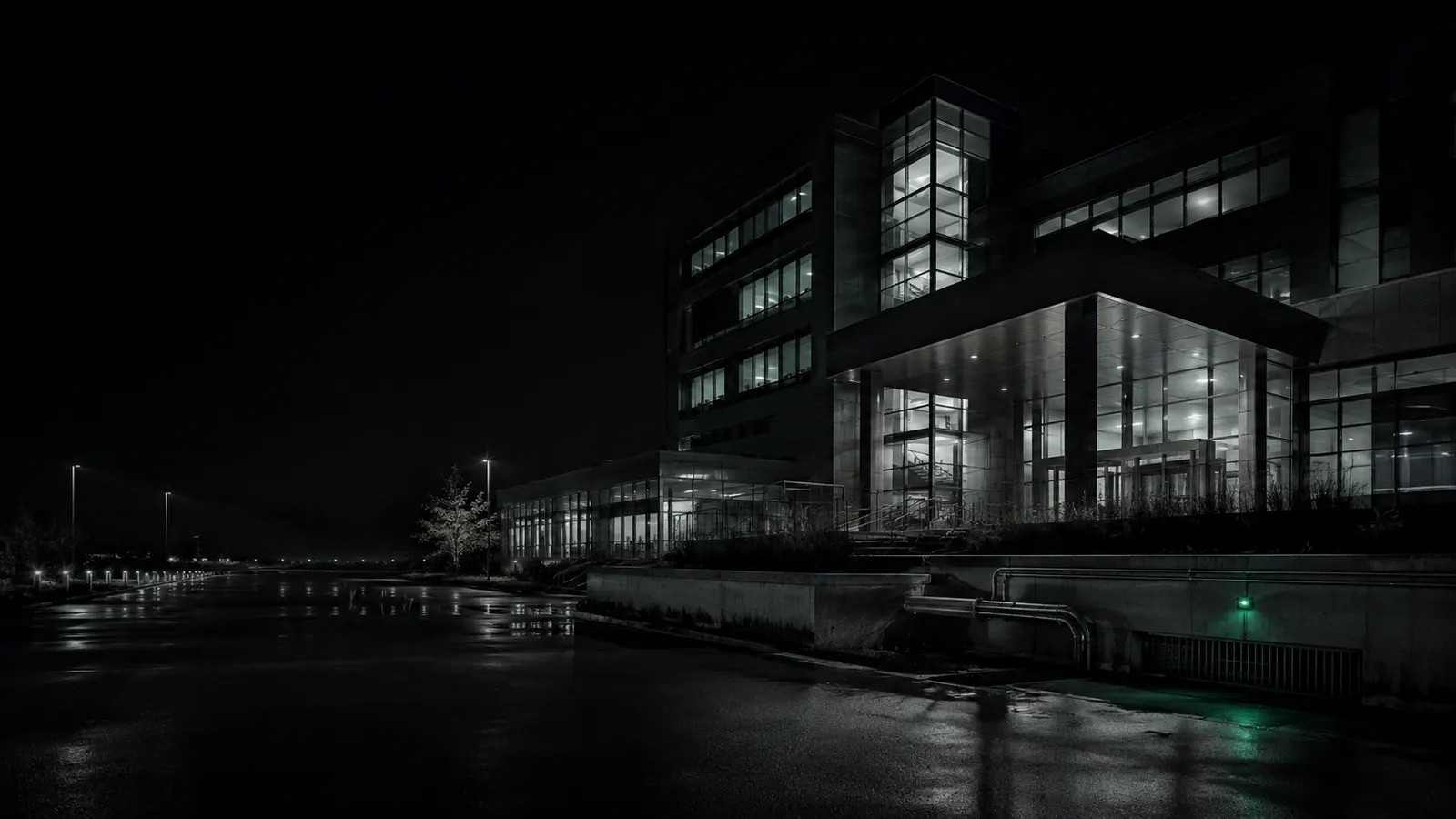
A facility director at a hospital, hotel, senior-living community, university, office property, or multi-unit building is not optimizing for the same things a public-works director is. The measurement that matters is occupancy. You cannot close a hospital wing, empty a hotel floor, or vacate a dorm to chase a single backed-up stack. A drain failure inside an occupied building is not just a repair ticket. It is disruption to patients, guests, residents, or tenants, a hit to operations and reputation, and a problem that has to be solved without taking the building offline. Our commercial sewer repair work renews building drains and sewer laterals from the inside, so tenants and operations keep running.
The vocabulary is familiar to us: DWV stacks, branch lines, chases, under-slab runs, cast iron at end of life, capital cycles, tenant-improvement windows, after-hours sequencing. The work has to be planned around how the building actually operates, executed by people who behave inside occupied space the way your staff does, and documented in a way your facilities and capital files can use later.
The Reality
Common Challenges
- Aging Cast Iron Drain, Waste, & Vent (DWV) Systems in Mid-Century Buildings Reaching End of Life.
- Recurring Backups, Slow Drains, & Odor Complaints That Disrupt Occupants & Operations.
- Pipe Runs Hidden in Finished Walls, Chases, & Under Slabs, Costly & Disruptive to Access by Demolition.
- The Need to Keep the Building Occupied & Operating During Any Repair or Rehabilitation.
- Reputation & Comfort Exposure: Failures Are Visible to Patients, Guests, Residents, & Tenants.
- Capital-Planning Pressure to Decide Repair, Line, or Full Repipe on Documented Condition, Not Guesswork.
Mapped to Your Mission
How We Help
- Condition AssessmentCCTV and multi-sensor inspection that documents the true condition of your lines, so you decide before a failure decides for you.Explore
- Infrastructure CleaningHydro-jetting, descaling, and vac work that clears blockages, restores flow capacity, and preps lines for inspection or lining.Explore
- Trenchless RehabilitationCIPP lining and point repairs that rebuild aging pipe from the inside, with minimal excavation and minimal disruption to your site.Explore
- Specialty & EmergencyEmergency response, bypass pumping, and hydro excavation that keep flow moving and protect your site when a line goes down.Explore
Sector Depth · Occupied Buildings
Rehabilitation Inside Occupied & Multi-Tenant Buildings
Rehabilitation inside an occupied building is a scheduling problem wearing an engineering costume. The pipe work in a hotel stack, a hospital branch line, or a multi-tenant office riser is well understood. What is difficult is doing it while guests sleep two floors up, a clinic runs a morning schedule, and tenants expect restrooms to work at 9 a.m. We plan around the building calendar first and set the technical sequence inside it.
Small-diameter in-building rehabilitation is its own discipline. Two inch to six inch drain, waste, and vent lines run through chases, under slabs, and behind finished walls, with tight bends and limited access points. Lining these lines to ASTM F1216 principles renews the pipe from the inside, which avoids the demolition, dust control, and reinstatement that a conventional replacement forces on a working floor. Our trenchless rehabilitation crews mobilize statewide and work night and weekend windows when operations require it.
Forensic inspection carries real weight in this sector. Before a property purchase, during a construction defect dispute, or ahead of an insurance claim, a NASSCO coded CCTV record establishes what the pipe condition was on a specific date and who is looking at what. Owners and counsel use that record to scope remediation accurately instead of arguing over it. That work runs through condition assessment, and the findings translate directly into a phased capital plan.
Get Started
Connect with a Solutions Specialist
Field-Grounded Answers About Your System, Not a Sales Pitch.