Video pipe inspection for commercial properties tells you what is actually happening inside your sewer and drain lines before a backup shuts down a building. Here is what a defensible scope looks like in 2026 and which deliverable actually protects your capital budget.
Why This Matters
Commercial sewer lines fail quietly until they do not. A cracked lateral under a loading dock or a root-clogged main behind a restaurant kitchen does not announce itself until wastewater backs up into the building.
NASSCO sets the inspection coding standard the industry relies on, and every SES condition assessment technician is NASSCO certified against it. That standard exists because uncertified inspections produce inconsistent defect ratings, and inconsistent ratings produce rehabilitation bids that do not match the actual condition of the pipe.
Florida adds its own pressure. Sandy soils, high water tables, and 20 plus years of coastal corrosion move faster on buried infrastructure here than in most states. A commercial property owner who skips inspection until a sanitary sewer overflow (SSO) happens is choosing the most expensive way to find out what is wrong.
Who This Is for
This guide is for facility managers, commercial property owners, HOA and condo boards, and public works staff evaluating video pipe inspection for a building, campus, or district system anywhere in Florida. If you manage occupied space and cannot afford a guessing game on what is buried under the parking lot, this applies to you. Southeast Services works commercial, industrial, municipal, and government accounts statewide out of its Vero Beach headquarters, in business since 2005.
What to Look for in Video Pipe Inspection for Commercial Properties
NASSCO Certification on Every Technician
Uncertified inspection reports use inconsistent defect language, which means two different technicians can call the same crack two different things. That inconsistency is exactly what a rehabilitation contractor exploits to inflate a bid later.
Cleaning Before the Camera Runs
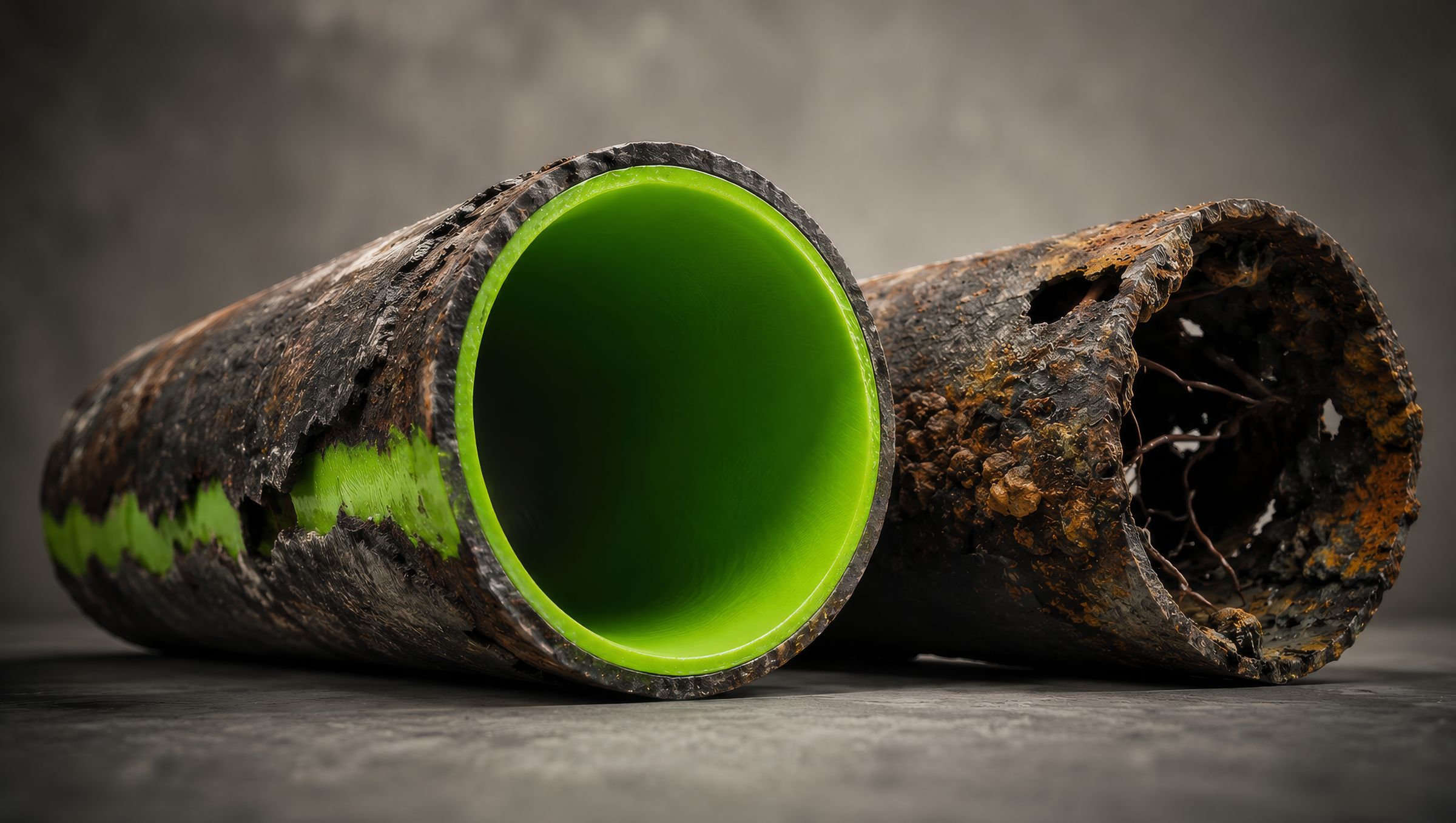
A camera pushed through a line coated in grease, scale, or root mass films sludge, not pipe wall. Pre-inspection cleaning through mechanical cleaning, root cutting, or high-pressure jetting is not an upsell, it is what makes the footage usable. See how this works on active HOA accounts in the pipeline cleaning and hydro jetting guide for HOA communities.
GIS System Mapping for Multi-Building Campuses
A single-building inspection report is a snapshot. A campus, hospital system, or municipal district needs its pipe network tied to a GIS layer so facility staff can pull up any segment's condition history by location instead of digging through a stack of PDFs.
A Deliverable You Can Bid from
A verbal walkthrough or a folder of unlabeled video clips is not a deliverable. A standardized written report with defect ratings, footage timestamps, and pipe segment IDs is what a rehabilitation contractor needs to price the job accurately, and what your finance team needs to approve capital spend.
Scheduling Around Occupied Operations
Commercial and institutional buildings do not stop running for an inspection crew. A contractor who cannot work around business hours, patient care schedules, or tenant occupancy is not built for occupied-building work, no matter how good the camera equipment is.
Forensic-Grade Footage When Litigation Is Possible
If the inspection might end up supporting a purchase dispute, an insurance claim, or litigation, the footage and report need chain-of-custody documentation and forensic-level detail. Standard maintenance inspection does not meet that bar.
Top Picks for 2026
NASSCO Certified CCTV Pipeline Inspection. The baseline pick, and the one every commercial account needs before anything else gets scoped. Every SES technician running this equipment is NASSCO certified, and the crew has logged inspection experience across 10M plus feet of pipe. Buy.
GIS System Mapping. The pick for campuses, districts, and any owner with more than a handful of buildings on one parcel. Ties every inspected segment to a location layer so facility staff stop hunting for which report matches which pipe. Buy for multi-building portfolios, consider for a single standalone building.
Forensic Inspection. The wildcard pick, and the one people skip until they need it and cannot get it fast enough. Built for property transactions and disputes where the footage has to hold up outside a maintenance file. Consider before any commercial purchase closes, skip it for routine annual maintenance scoping.
Rehabilitation Readiness Report (R3). The pick that turns an inspection into a number your finance department can act on. It is a standardized deliverable that documents everything a rehabilitation contractor needs to price the job without a second site visit. Buy whenever inspection findings point toward cured-in-place pipe (CIPP) lining, sectional point repair, or any capital rehabilitation decision.
What to Avoid
- Inspection without cleaning first. Footage through a grease-coated or root-clogged line is not usable footage. Reject any scope that skips this step.
- No written deliverable. A technician's verbal summary is not a record. If there is no report with defect codes and segment IDs, there is no defensible scope.
- Uncertified technicians running the camera. NASSCO certification is the standard for a reason. A cheaper bid from an uncertified crew costs more later in rework and disputed defect calls.
Verdict Comparison
| Method | Best For | Output | Verdict |
|---|---|---|---|
| NASSCO Certified CCTV Inspection | Any Commercial Building, First Step | Coded Defect Report with Footage | Buy |
| GIS System Mapping | Multi-building Campuses, Districts | Location-tied Condition Data | Buy for Portfolios |
| Forensic Inspection | Litigation, Property Purchase Disputes | Chain-of-custody Footage and Report | Consider |
| Rehabilitation Readiness Report (R3) | Budgeting Rehabilitation Work | Standardized Bid-ready Deliverable | Buy |
Frequently Asked Questions
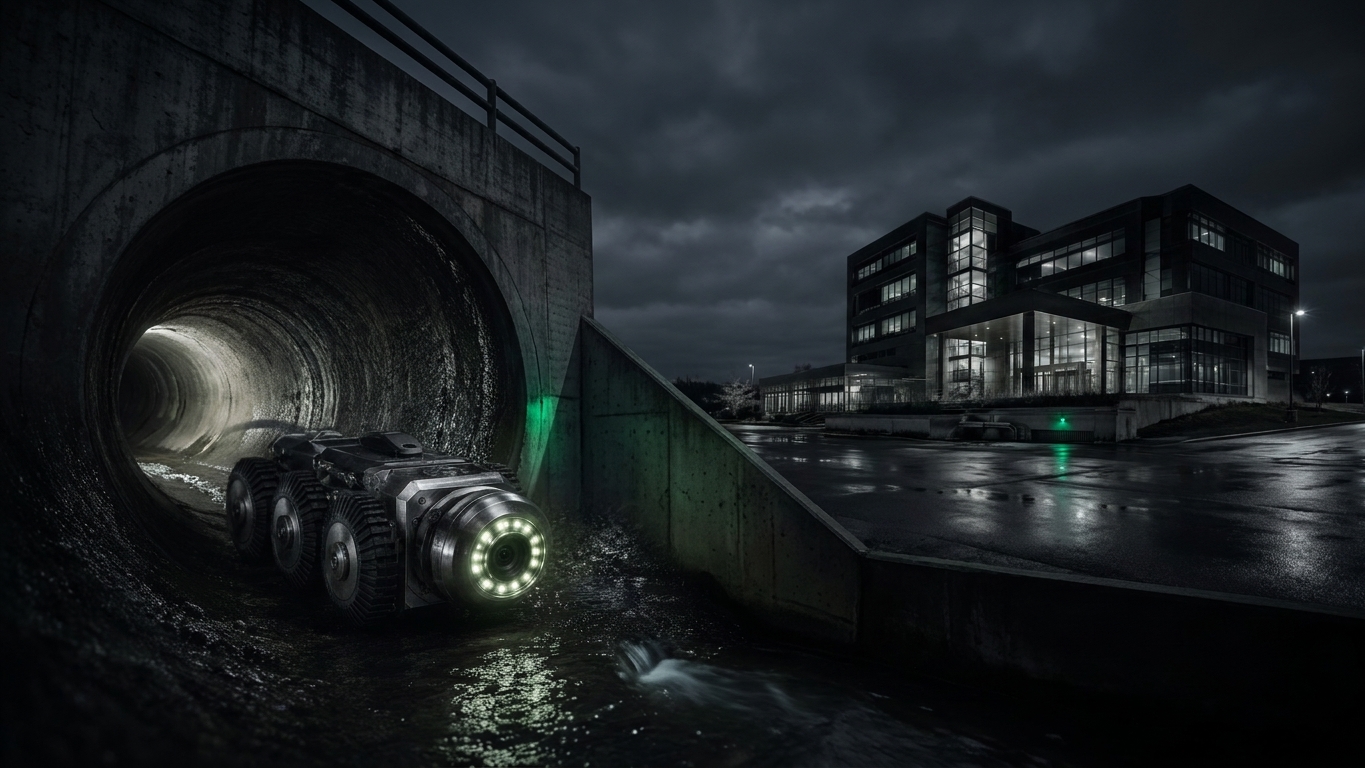
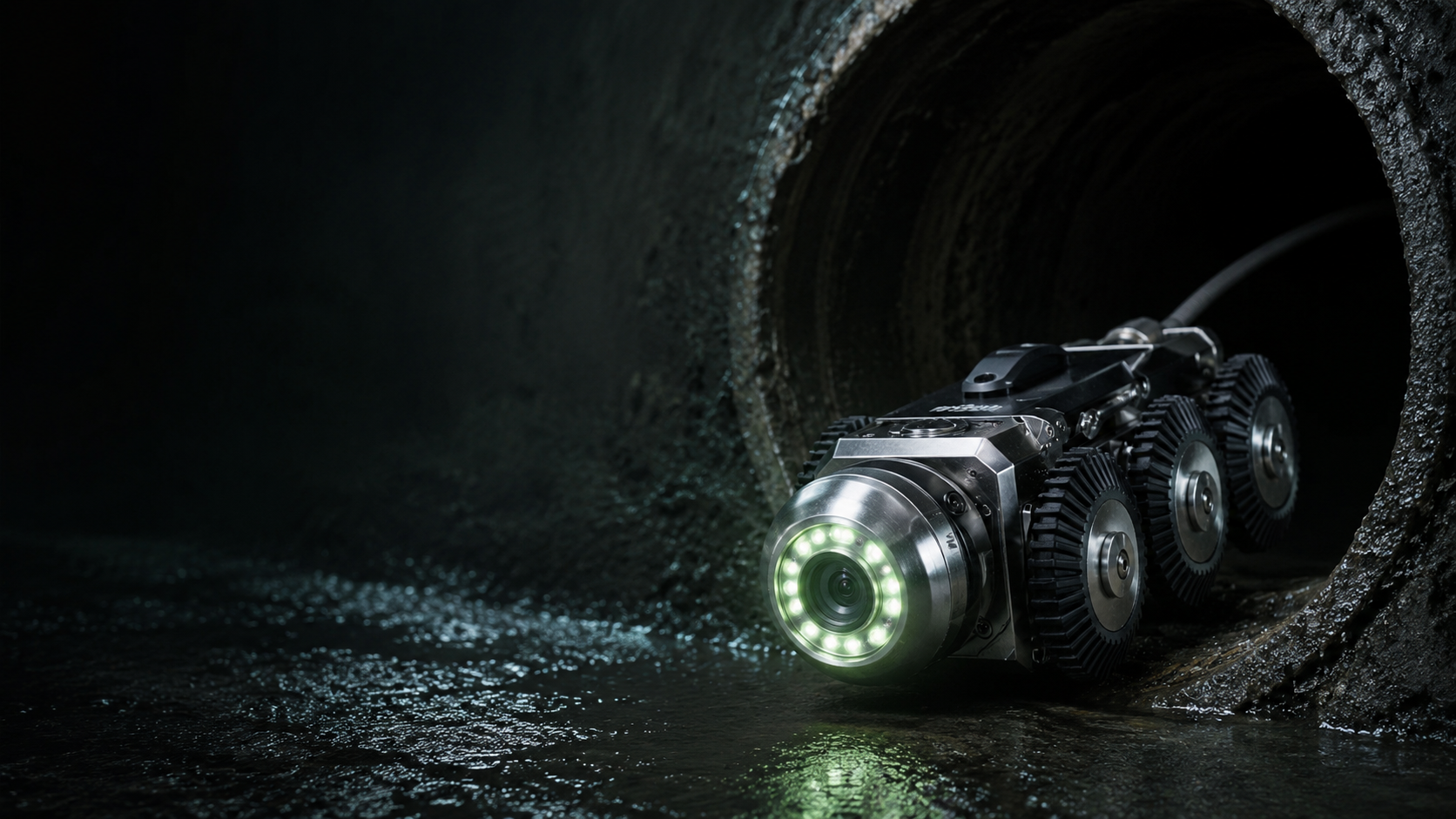
What does video pipe inspection for commercial properties actually check? It checks the interior condition of sanitary sewer and drain lines for cracks, root intrusion, offsets, scale buildup, and infiltration points. A NASSCO certified crew films the run and codes every defect against the industry's standardized rating system.
Is CCTV pipeline inspection different from a residential sewer camera check? Yes, in scope and deliverable. Commercial inspection covers larger diameter lines, multiple building connections, and typically produces a coded written report instead of a homeowner-facing summary video.
How often should a commercial property schedule inspection? Annual inspection is standard for properties with a history of backups or aging cast iron and clay lines, with more frequent scoping for restaurants, hospitality, and healthcare facilities where grease and organic load move faster on pipe walls.
Does inspection require cleaning first? Yes. A line coated in scale, grease, or roots films sludge instead of pipe wall, and the resulting footage cannot be coded accurately. Pre-inspection cleaning is standard practice, not an add-on charge to question.
What is a Rehabilitation Readiness Report (R3)? It is a standardized condition assessment deliverable that documents everything needed to price a rehabilitation project accurately, including defect ratings, footage references, and segment-level detail a contractor can bid from directly.
Can inspection footage be used in a property dispute or purchase negotiation? Yes, when it is forensic grade. Standard maintenance inspection footage may not meet the documentation bar for litigation, so a property transaction or dispute needs forensic inspection scoped specifically for that use.
What happens if a commercial property skips inspection entirely? Defects go undetected until a backup or sanitary sewer overflow (SSO) forces emergency response, which costs more than scheduled inspection and often disrupts building operations during the failure.
One Last Thing
Most commercial owners treat inspection as a maintenance line item until a backup forces the issue in the middle of business hours. The R3 report exists specifically so that never happens on your schedule. It turns a camera run into a document your finance team can act on months before a pipe fails, not the week after.