Sebastian, FL sits on sandy Treasure Coast soil with a water table that stays close to the surface for much of the year, and that combination stresses commercial, industrial, and municipal sewer lines in ways drier inland cities never see. This guide breaks down what works for pipeline cleaning on Sebastian facilities and public infrastructure, what to skip, and which method fits which problem.
Hydro jetting is the right call for grease buildup and sand infiltration common to Sebastian's coastal soil, particularly on commercial kitchen lines and industrial process drains. Mechanical rodding clears a one off blockage fast, and CCTV pipeline inspection should run before either method on any line with a history of backups. Facility managers should budget for recurring hydro jetting on commercial and industrial lines, order CCTV inspection before any major capital spend, and rule out chemical drain treatments on aging clay or cast iron mains.
Why This Matters
Indian River County's older commercial corridors and municipal collection systems still run sections of clay and cast iron pipe installed decades before trenchless pipe repair existed. Root systems from live oak and ficus canopy chase that moisture and crack joints from the outside in, and a high water table turns any crack into an infiltration point during Florida's June through November wet season. A clog that looks minor in January can become a sanitary sewer overflow risk by August once storm surge saturates the surrounding soil. Matching the right cleaning method to the actual problem in 2026 keeps facilities and municipal systems from paying twice for the same line.
Who This Is For
This guide is for property and facility managers running commercial kitchens, retail, or multi tenant buildings in Sebastian, industrial operators whose process lines see heavy seasonal demand, and public works staff managing municipal sanitary and stormwater mains. If the choice is between a one time snaking job and a full CCTV pipeline inspection ahead of a capital project, the criteria below apply whether the asset is a single commercial building near US-1 or a municipal collection line.
What to Look for in Pipeline Cleaning for Sebastian, FL Facilities
Licensing Specific to Sanitary Sewer Work
Florida requires licensing for sanitary sewer contractors, and lateral or main line work can cross into utility adjacent regulation depending on whether the line ties into a public system. Confirm the license number before anyone touches a cleanout or manhole.
Equipment Matched to Pipe Diameter & Material
A commercial building's 4 to 6 inch lateral and an 8 inch or larger municipal main need different jetting nozzles and PSI settings. Standard commercial hydro jetting runs around 4,000 PSI. Pushing that pressure through old, brittle clay or cast iron pipe without checking condition first can crack a joint that was barely holding.
CCTV Pipeline Inspection Before, Not Just After
A CCTV pipeline inspection typically covers 300 to 400 feet of pipe in a single pass and documents root intrusion, bellies, and offset joints before anyone recommends a fix. Skipping this step means paying for cleaning that treats a symptom instead of the crack causing it.
Root Intrusion History
Sebastian's tree canopy is dense along older commercial corridors and municipal rights of way, and root cutting without a follow up plan just means the same call again in 12 to 18 months. Confirm whether the scope includes root control treatment or only a mechanical cut.
Response Time During Storm Season
June through November is when Sebastian sees the heaviest rain and the highest water table, which is exactly when backups spike on commercial and municipal lines alike. A contractor with same day or next day response during wet season matters more than a slightly lower quote in February, especially for facilities that cannot afford downtime.
Documentation Kept on File
A written scope with pipe material, diameter, defect locations, and photo or video documentation protects a facility or municipality if the same line fails again within 6 months.
Top Approaches by Method
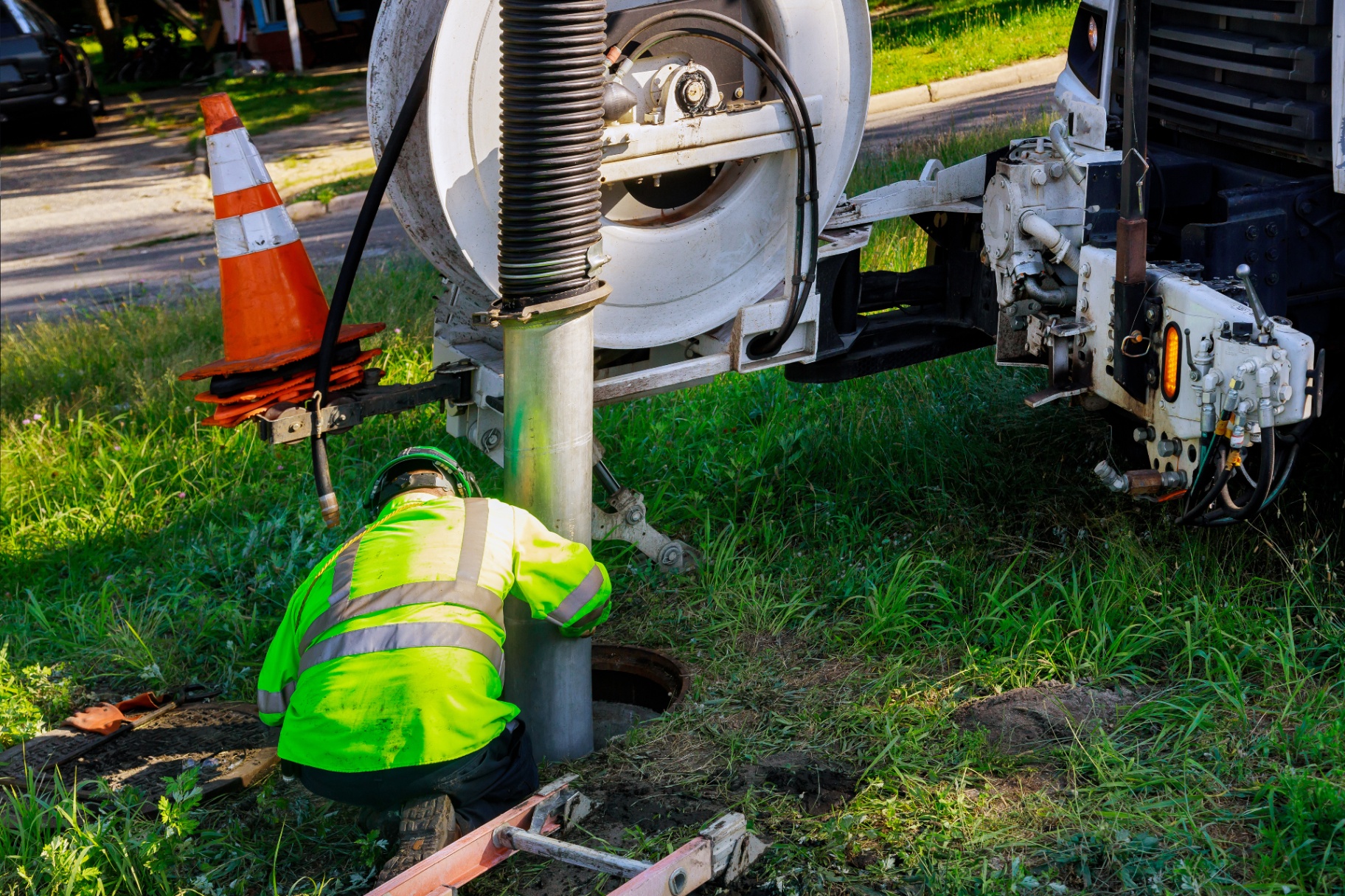
Hydro jetting. Uses high pressure water, typically 3,000 to 4,000 PSI, to strip grease, scale, and root hair from pipe walls rather than punching a hole through the clog. Best for recurring buildup in commercial kitchens and industrial process lines.
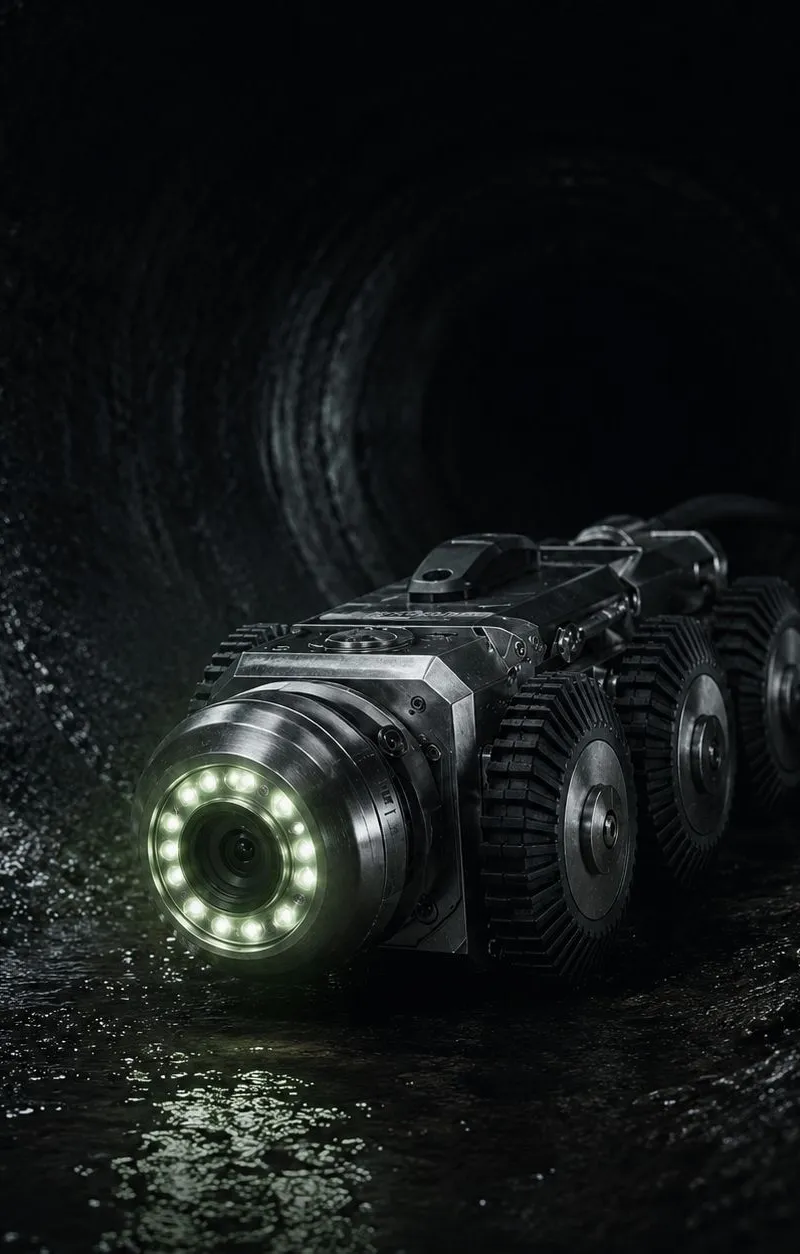
CCTV pipeline inspection. A self propelled camera runs the line and records defects in real time, giving facility managers and public works staff a defensible record of what is actually wrong before any cleaning or repair happens. Order this before committing to any lateral or main line work.
Mechanical rodding. A rotating cable clears a single blockage fast and costs less upfront than jetting, but it punches a hole through the clog rather than clearing the full pipe wall. Fits a one off blockage with no history of recurrence.
Root cutting with root control treatment. Mechanical cutting removes the immediate intrusion, and a follow up treatment slows regrowth for roughly 12 to 24 months depending on species and soil moisture.
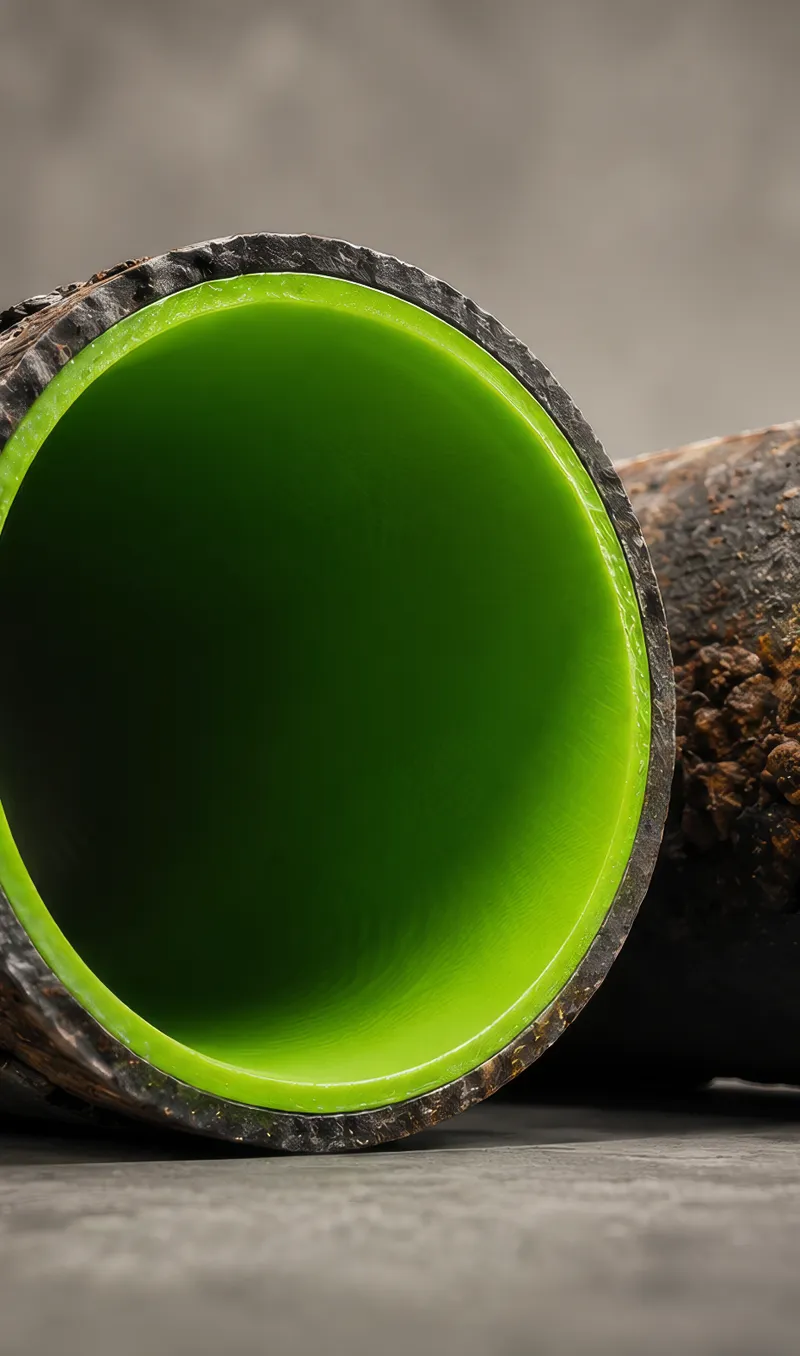
Trenchless pipe repair (CIPP lining). Cured-in-place pipe (CIPP) lining installs a new structural liner inside the existing pipe without excavation, addressing cracked joints and root entry points that cleaning alone cannot fix. Fits a line with confirmed structural defects on camera, the same standard covered in our guide to trenchless pipe repair for industrial facilities.
What to Avoid
Chemical drain treatments on aging clay or cast iron pipe generate heat that can soften joints and do nothing for a root mass or a cracked joint. A quote with no camera work and no photos means paying for a guess. Treating a repeat backup as a new problem each time, rather than a lining conversation, wastes budget on the fourth call for the same line.
Verdict Comparison
| Method | Best For | Follow-Up Needed |
|---|---|---|
| Hydro Jetting | Grease, Scale &Amp; Sand Buildup in Commercial &Amp; Industrial Lines | Camera Check Every 12 to 18 Months |
| CCTV Pipeline Inspection | Diagnosing Before Any Spend | None, It Is the Diagnostic Step |
| Mechanical Rodding | Single, Isolated Blockage | Camera Check if It Recurs |
| Root Cutting Plus Treatment | Confirmed Root Intrusion | Reapply Treatment in 12 to 24 Months |
| Trenchless Pipe Repair | Cracked or Offset Joints | Follow-Up Camera at the 5 Year Mark |