Homes in Indian River Shores sit on a barrier island where the water table is high, the soil is sandy, and the sanitary sewer laterals running from house to main are older than most homeowners realize. Pipeline cleaning here is not a generic task. It is a decision about which method actually holds up against roots, tidal groundwater, and pipe age.
For pipeline cleaning in Indian River Shores, FL, hydro jetting paired with a CCTV pipeline inspection clears root mass without gambling on pipe condition first. Chemical drain treatments are worth considering only as a supplement, and cabling only service with no camera work should be skipped for this island's clay and cast iron laterals.
Why This Matters
Indian River Shores was largely built out with clay and cast iron laterals, some dating to the 1960s and 1970s, running under yards shaded by mature live oaks. Root intrusion through joint gaps is common, and the island's high water table means any crack in a lateral invites groundwater infiltration on top of root growth. A homeowner who calls for generic pipeline cleaning often gets a cable run through 15 feet of pipe when the actual blockage sits 60 feet out near the main tap.
The Florida Department of Environmental Protection tracks sanitary sewer overflow incidents statewide, and root intrusion combined with aging clay pipe is a recurring contributor along the Treasure Coast. That is the backdrop for why pipeline cleaning in Indian River Shores in 2026 needs to start with diagnosis, not just a cable and a truck.
Who This Is For
This guide is for homeowners and HOA property managers in Indian River Shores dealing with recurring backups, slow drains after heavy rain, or a lateral line that has not been inspected since the home was built. It is also for anyone comparing quotes where one company wants to run a cable for a flat fee and another wants to inspect first.
What to Look for in Pipeline Cleaning for Indian River Shores Homes
CCTV Pipeline Inspection Before Any Cleaning Method Is Chosen
A camera run through the lateral shows exactly where roots, offset joints, or bellies sit before anyone decides how to clean it. A cast iron lateral from the 1970s can look fine on the surface and be 30 percent obstructed a few feet down.
Hydro Jetting Capability, Not Just a Cable
A cable clears a channel through a blockage. A hydro jet rated at 3,000 to 4,000 PSI scours the full pipe wall and removes root mass rather than punching a hole through it. For barrier island homes with live oak roots working into clay joints, jetting is the difference between a fix that lasts a season and one that lasts several years.
Florida Licensed & Insured for Sanitary Sewer Work
Every condition assessment technician performing this work should be NASSCO certified, and the contractor should carry Florida licensing that lets them document work to a standard an insurer or HOA board will accept.
A Documented Root Intrusion Protocol
Live oak canopy lines nearly every street on the island, and roots do not stop growing after one cleaning. A provider should be able to tell you what they found, in linear feet, and what recurrence to expect.
Awareness of Tidal & Groundwater Conditions
High water table conditions mean a cracked or offset lateral can take on groundwater during king tides, which shows up as unexplained flow increases even when nobody is running water inside.
Written Documentation for HOA or Insurance Records
A cleaning report with footage counts and photos or video is worth more than a verbal all clear, especially where HOA governance expects maintenance records.
Top Approaches for This Island
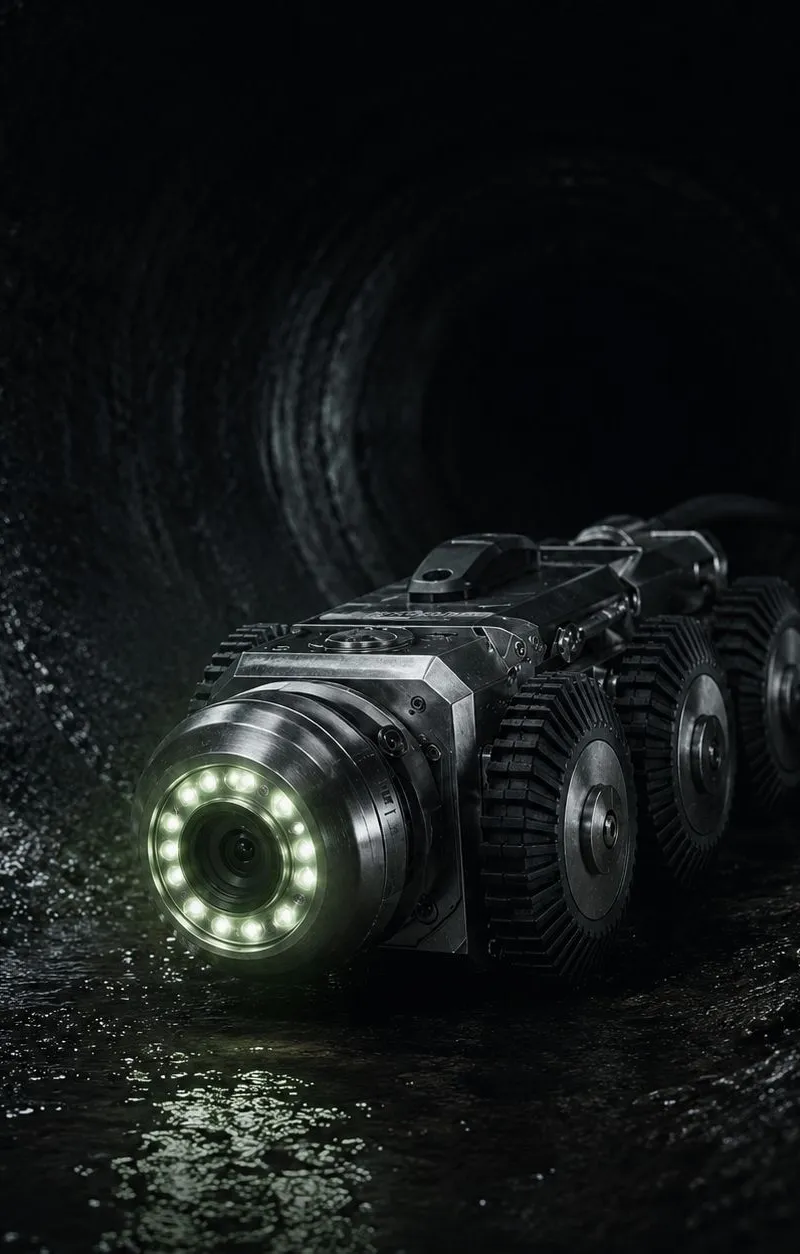
CCTV pipeline inspection. Covers the full run from cleanout to main, typically 40 to 80 linear feet on a single family lateral, and identifies root intrusion, offset joints, or bellied sections before any cleaning starts. Skipping this step is how homeowners pay twice for the same problem.
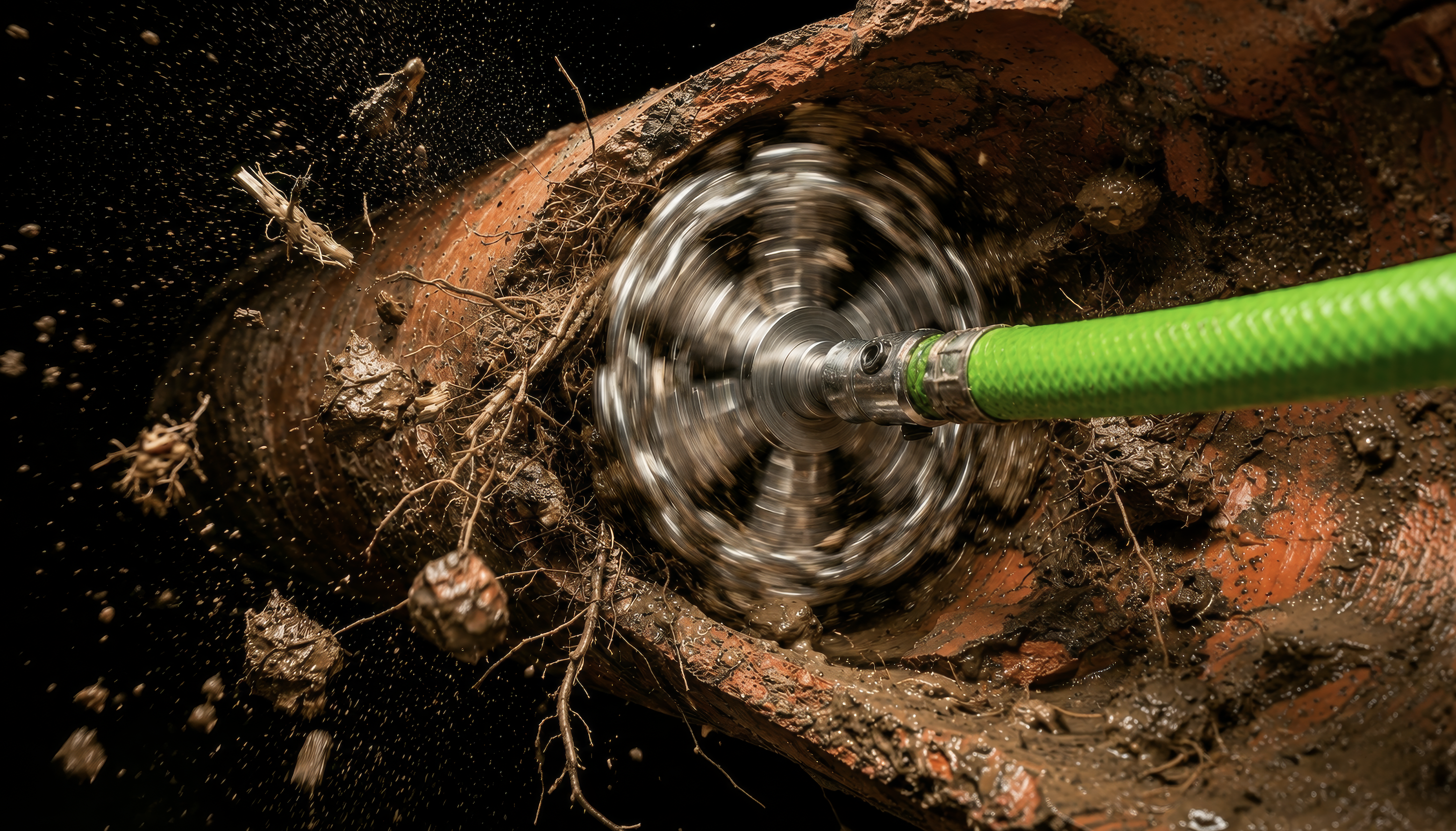
Hydro jetting. Operating at 3,000 to 4,000 PSI, it strips root mass and grease buildup off the full pipe wall rather than boring a channel through it. For homes shaded by live oaks, this method actually slows regrowth.
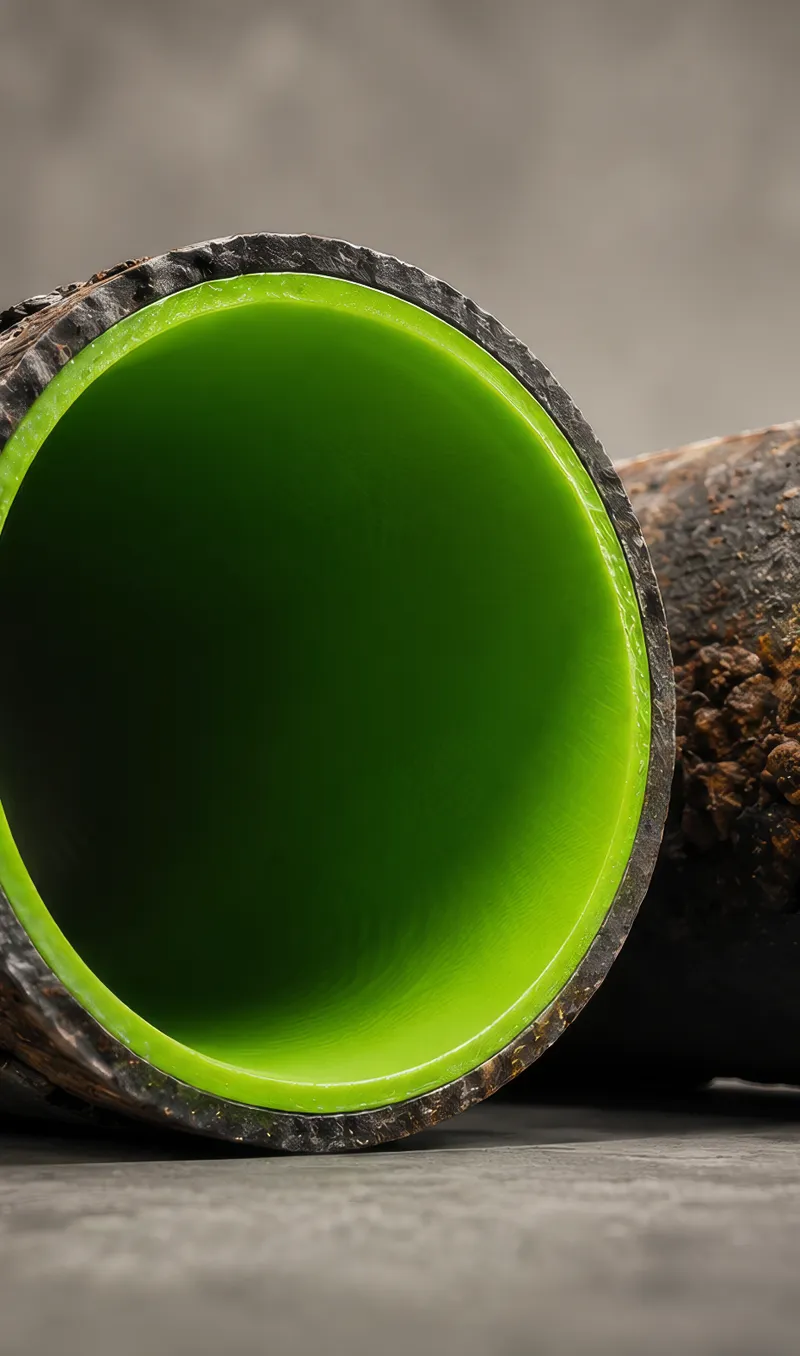
Trenchless pipe repair (CIPP lining). A cured-in-place pipe (CIPP) liner can extend a clay or cast iron lateral's functional life by decades without excavating the yard. Worth considering once inspection shows structural deterioration rather than just root growth.
Chemical root treatment. Can slow regrowth between cleanings but does nothing for an offset joint or a bellied section. Consider it as a supplement after jetting, never as a standalone plan.
Cabling or rodding only. A cable clears an opening but leaves root mass and buildup on the pipe wall, which regrows faster than after jetting. For laterals with confirmed root pressure, this buys a few months at most and should be skipped unless paired with jetting or lining.
What to Avoid
Store bought chemical drain cleaners are formulated for kitchen or bathroom lines, not full sanitary laterals, and repeated use can degrade older cast iron without touching root intrusion further down the line. Flat rate cleaning quotes with no linear foot count give you no way to verify the job matched the problem. Cabling only companies that decline to run a camera leave a barrier island lateral with this much root pressure as a recurring service call, not a fix.
Verdict Comparison
| Approach | Root Intrusion Fix | Long-Term Value |
|---|---|---|
| CCTV Pipeline Inspection | Diagnostic | Sets Scope for Everything Else |
| Hydro Jetting | Strong | Good for 1 to 3 Years on Active Root Growth |
| Trenchless Pipe Repair | Strong, Structural | Decades of Extended Service Life |
| Chemical Root Treatment | Weak Alone | Short Term Only |
| Cabling Only | Weak | Months, Not Years |