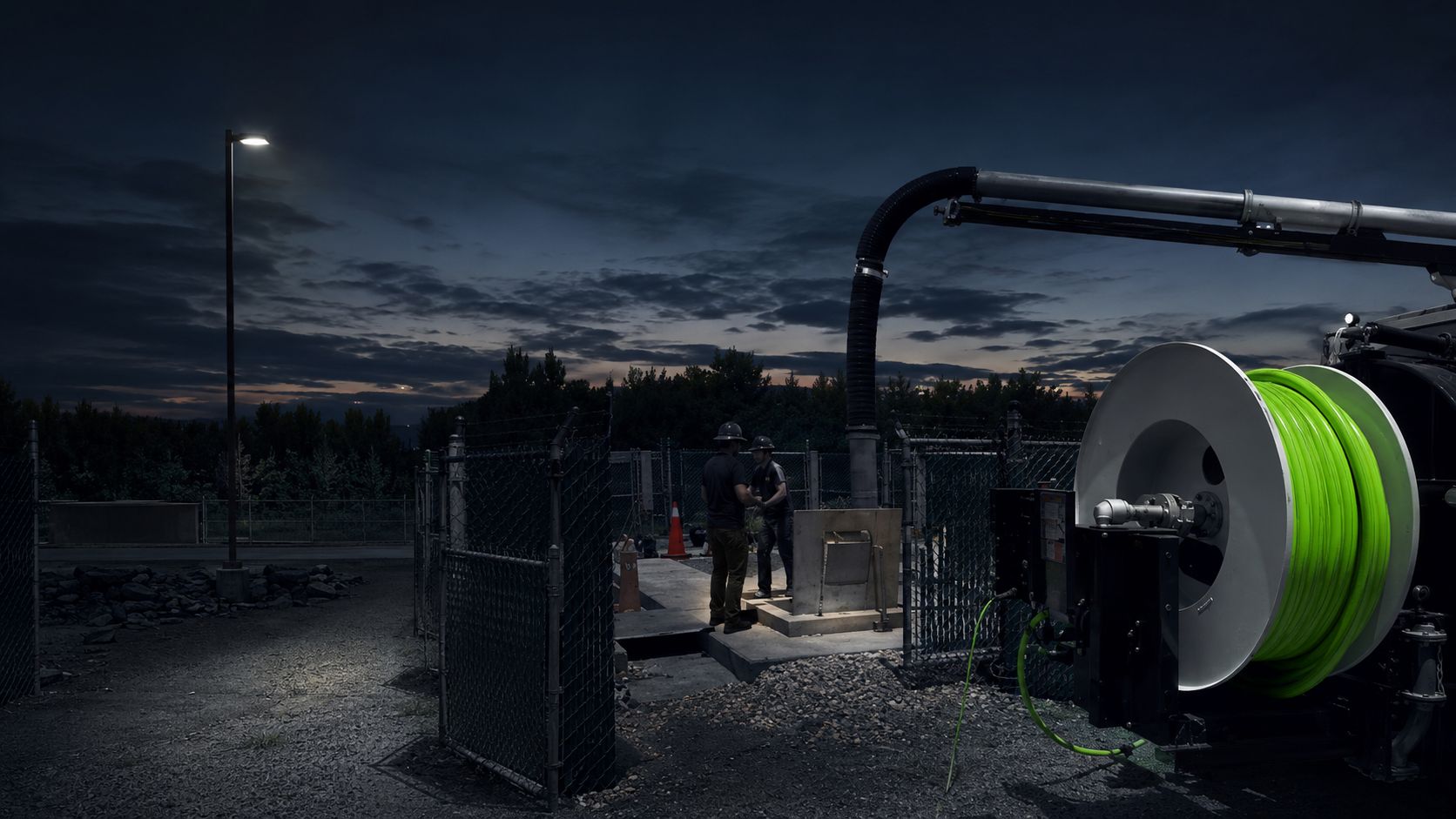
Lift station repair for municipal utilities requires a defined scope for both the station and the sanitary sewer network feeding it. Southeast Services of the Treasure Coast, Inc. (SES) provides collection system assessment, cleaning, and rehabilitation across Florida, not pump replacement or station electrical repair.
- Separate lift station mechanical repairs from upstream sanitary sewer assessment and rehabilitation.
- Southeast Services provides CCTV Pipeline Inspection, Pipeline Cleaning, SSES, and CIPP Lining for municipal collection systems.
- Document infiltration and inflow sources before assigning a rehabilitation scope.
- Match repair methods to verified pipe condition, access, and operating requirements.
Why Collection System Condition Matters
A lift station moves wastewater from a lower elevation into the next part of the collection system. Problems at the station and problems upstream need separate investigation. An alarm alone does not establish whether the cause is equipment, controls, capacity, a blockage, or additional wet weather flow.
The U.S. Environmental Protection Agency's 2026 Sanitary Sewer Overflow Frequent Questions identifies several overflow causes, including sewer defects, blockages, inadequate pump maintenance, insufficient capacity, and equipment failures. EPA also identifies cleaning, rehabilitation to reduce infiltration and inflow, and capacity or reliability improvements as different measures for addressing those causes.
That distinction matters when you fund repairs. Rehabilitating a leaking gravity line does not correct an electrical fault. Replacing a pump does not seal an upstream defective joint. The evidence should determine the work, not the alarm location.
For public works managers and utility engineers, a documented condition assessment provides the pipe findings needed to separate collection system work from the station contractor's scope. Compare those findings with station maintenance records and operating data before approving a capital project.
Define the Lift Station Repair Scope for Municipal Utilities
Start with the basin served by the station and the specific problem under investigation. Identify the gravity mains, laterals, manholes, and other assets included in the assignment. Record what is known, what still needs inspection, and which party is responsible for each part of the work.
A defensible scope distinguishes these responsibilities:
- Mechanical and electrical investigation of pumps, controls, alarms, and related station equipment.
- Collection system inspection to document pipe and structure condition.
- Cleaning needed to restore access or make defects visible.
- Infiltration and inflow investigation where wet weather flow is a concern.
- Rehabilitation design, installation, and verification for documented defects.
SES performs the collection system work. Pump and electrical repairs require a separately defined, appropriately qualified scope. Coordination between contractors is useful. It does not remove the need to identify who owns each deliverable.
Avoid treating every repeat alarm as proof of an upstream defect. Equally, do not exclude the upstream network because the complaint was recorded at the station. Give your engineer the information needed to evaluate both possibilities.
Build a Documented Assessment & Rehabilitation Program
Review Station Records & Basin Boundaries
Provide available maintenance records, alarm history, flow information, mapping, and prior inspection findings. Identify whether the concern occurs in dry weather, wet weather, or under a particular operating condition. These records help define an investigation, but they do not replace field assessment.
Confirm asset identifiers and access restrictions before mobilization. An inspection report is more useful when your operations team can locate the asset and connect its findings to the existing maintenance record.
Inspect Gravity Feeders & Related Structures
Specify CCTV Pipeline Inspection for suitable pipe assets and the appropriate assessment method for related structures. Every SES condition assessment technician is NASSCO certified. The deliverable should identify inspected assets, observed defects, limitations, and the supporting inspection record.
Do not assume an inaccessible or obscured section is acceptable. Record the limitation and define the additional work needed to evaluate it. Force mains require an assessment approach matched to pressure service, isolation requirements, and access. Do not apply a gravity feeder inspection scope without checking suitability.
Clean for Visibility & Rehabilitation Preparation
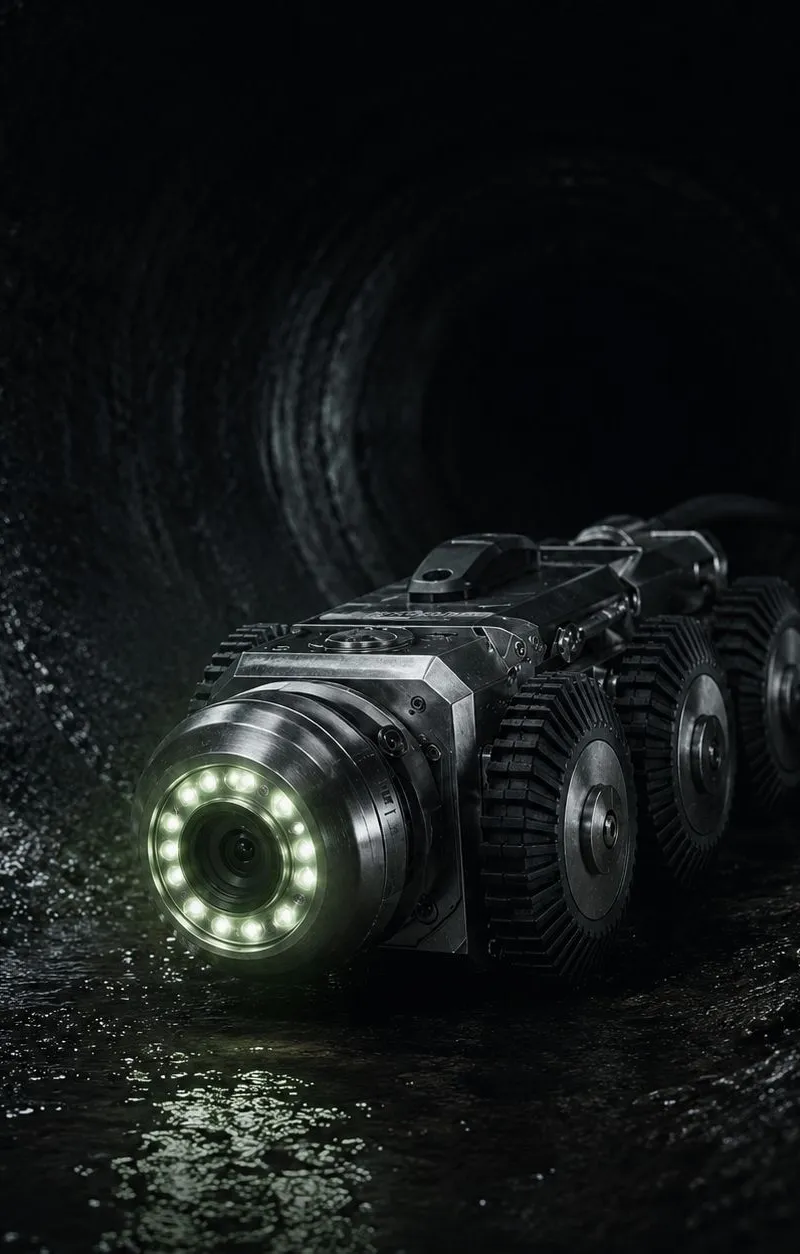
Pipeline Cleaning includes high-pressure jetting, mechanical cleaning, root cutting, and pre-rehabilitation preparation for municipal systems. Select the method around the pipe's condition, material, deposits, and intended next step. The objective is a defined inspection or preparation result, not cleaning without a documented purpose.
Where debris obscures the pipe wall, coordinate cleaning before completing the condition assessment. A cleaning record should identify the asset and work performed. Inspection should distinguish removed obstructions from structural defects that remain and require a separate decision.
Investigate Infiltration & Inflow
Infiltration and inflow (I&I) is unwanted groundwater or surface water entering the sanitary sewer system. A sanitary sewer evaluation program (SSES) investigates sources across the defined collection system area. CCTV findings are part of that evidence, not a substitute for every other investigation method.
Use basin findings to develop priorities through compliance and advisory services. Tie recommended work to identified assets and the utility's planning requirements. Avoid promising a reduction in station runtime or overflow risk without a basis for measuring the result.
Match Rehabilitation to the Defect
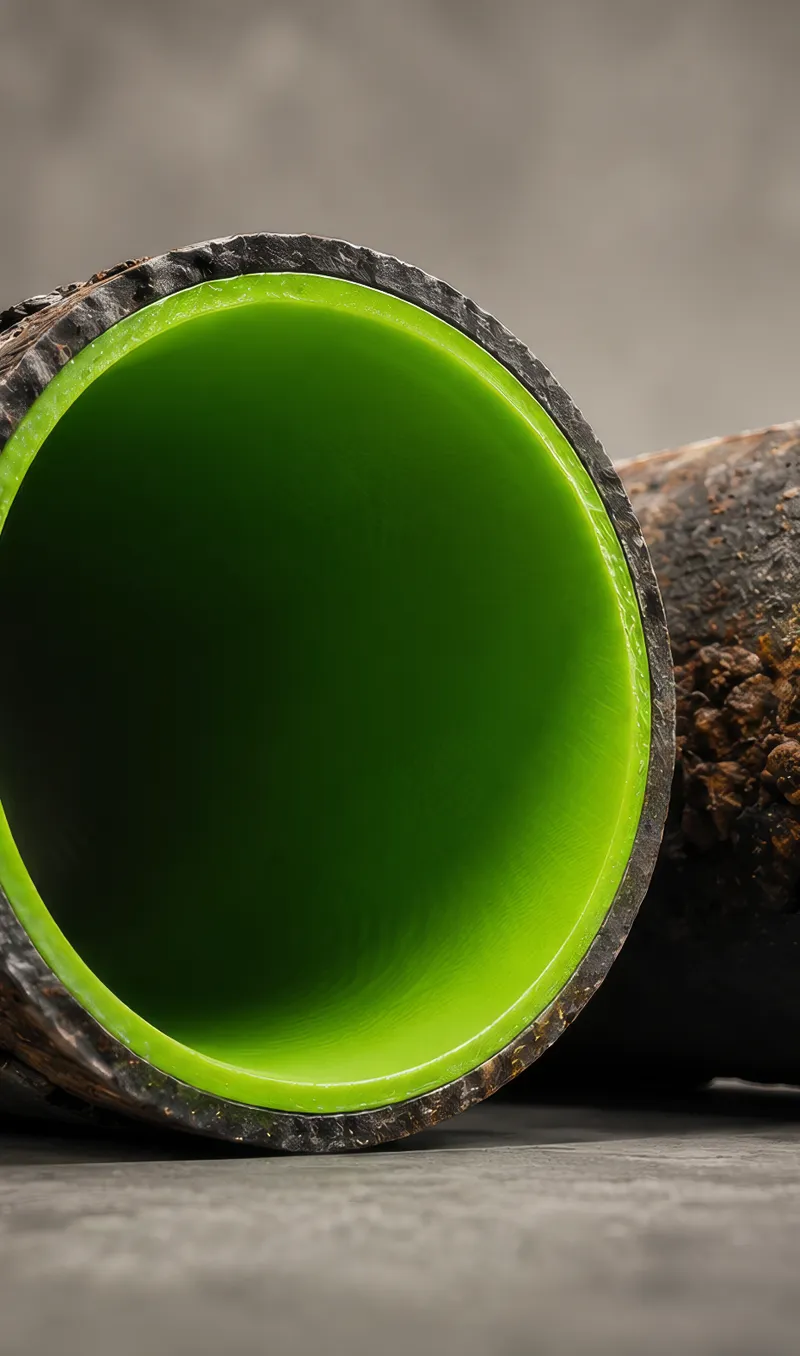
Cured-in-place pipe (CIPP) lining rehabilitates suitable host pipes from within. SES provides CIPP Lining, UV-CIPP, Sewer Lateral Lining, and sectional point repair. Method selection depends on verified condition, service requirements, access, and the project specification.
A localized defect does not automatically require full-length lining. A basin-wide concern does not make point repair inherently wrong. Document why the selected treatment fits the defect and what it will not address. Define acceptance documentation before work begins so installation and verification follow the same scope.
Compare Collection System Work by Purpose
| Service | Best Fit | Required Basis | Limitation |
|---|---|---|---|
| CCTV Pipeline Inspection | Documenting Accessible Pipe Condition | Asset List, Access, and Inspection Requirements | Does Not Diagnose Station Electrical Faults |
| Pipeline Cleaning | Removing Deposits and Preparing Suitable Pipes | Pipe Condition and Defined Cleaning Objective | Does Not Rehabilitate Structural Defects |
| SSES | Investigating Basin-level I&I | Defined Study Area and Investigation Methods | Is Not a Pump Repair Scope |
| CIPP Lining | Rehabilitating Suitable Defective Host Pipes | Condition Assessment and Project Specification | Suitability Must Be Confirmed |
| Sectional Point Repair | Addressing a Localized Pipe Defect | Verified Defect Location and Repair Design | Does Not Address Unrelated Basin Defects |
Use this comparison to assign the next investigation or construction package. It is not a universal sequence. An urgent equipment failure needs the appropriate station response, while planned collection system rehabilitation needs evidence sufficient to define the pipe work.
Specify Deliverables Before Approving a Proposal
Ask for a scope your utility can review against the completed work. Identify the limits of inspection, cleaning, and rehabilitation separately. State how additional defects, inaccessible assets, or changed field conditions will be documented and addressed.
Your proposal review should cover:
- Asset identifiers, locations, and the boundaries of the assignment.
- Inspection records, defect coding, and stated assessment limitations.
- Cleaning and preparation requirements matched to the work.
- Service continuity, access, and coordination responsibilities.
- Rehabilitation method, exclusions, and acceptance documentation.
- Applicable contractor licenses and responsibility for each trade.
SES has 10M+ feet of pipe experience, 20+ years in business since 2005, and 200+ years of combined team expertise. Those credentials support contractor evaluation. They do not replace asset-specific findings or justify a repair method without assessment.
The Rehabilitation Readiness Report (R3) is SES's proprietary standardized pipeline condition assessment that documents everything needed to price a rehabilitation accurately. Ask SES to define the applicable assessment scope and deliverables for your municipal assets rather than assuming every station-related investigation uses the same package.
Frequently Asked Questions
Does Southeast Services Replace Lift Station Pumps?
No. SES's scope in this guide is collection system assessment, cleaning, and rehabilitation, not pump replacement or station electrical repair. Municipal utilities should define the mechanical contractor's responsibilities separately and coordinate upstream pipe investigation where the available records indicate a collection system concern.
What Is the Role of CCTV Pipeline Inspection?
CCTV Pipeline Inspection documents the condition of accessible pipe assets and supports rehabilitation decisions. It records visible defects and inspection limitations for the defined scope. It does not establish every source of infiltration and inflow or diagnose mechanical and electrical faults inside a lift station.
Does Pipeline Cleaning Replace Rehabilitation?
No. Pipeline Cleaning removes deposits and obstructions and prepares suitable pipes for inspection or rehabilitation. It does not repair structural defects. Municipal utilities should review the condition documented after cleaning and select any additional treatment around the remaining defects, access, and service requirements.
When Is CIPP Lining Appropriate Near a Lift Station?
CIPP Lining is appropriate when assessment and design confirm that the host pipe and service conditions suit the method. Access, pipe condition, operating requirements, and the project specification determine feasibility. Neither proximity to a station nor a recurring alarm is sufficient evidence to select lining.
What Is the L.A.T.E.R.A.L. Method?
The L.A.T.E.R.A.L. Method is SES's proprietary seven-stage methodology for municipal sanitary sewer lateral inflow and infiltration programs: Locate, Assess, Target, Evaluate, Rehabilitate, Analyze, Lifecycle. It addresses lateral programs, rather than station equipment repairs. Utilities should define the service area, program objectives, and required documentation before assigning that scope.
Set the Next Scope From the Evidence
Separate the station fault investigation from the collection system assessment, then connect the findings through your engineer and operations team. Do not promise pump-life improvements, eliminate needed equipment work, or authorize pipe rehabilitation solely because the station has a history of alarms.
Diagnosis and rehabilitation of these systems require a licensed, certified contractor. Southeast Services provides municipal collection system support statewide, with documented assessment, preparation, and rehabilitation matched to the approved scope.
Related Guides
Discuss Your Municipal Collection System Scope
Southeast Services of the Treasure Coast, Inc. 815 10th Court SW, Vero Beach, FL 32962. Phone: (772) 226-7416. Toll-free: 888-808-CIPP (2477). Email: solutions@southeastservices.com. Licenses: CFC1429186, CUC1223872 & CGC1525265.
Southeast Services of the Treasure Coast, Inc. is a Florida-licensed contractor headquartered in Vero Beach and serving clients statewide.