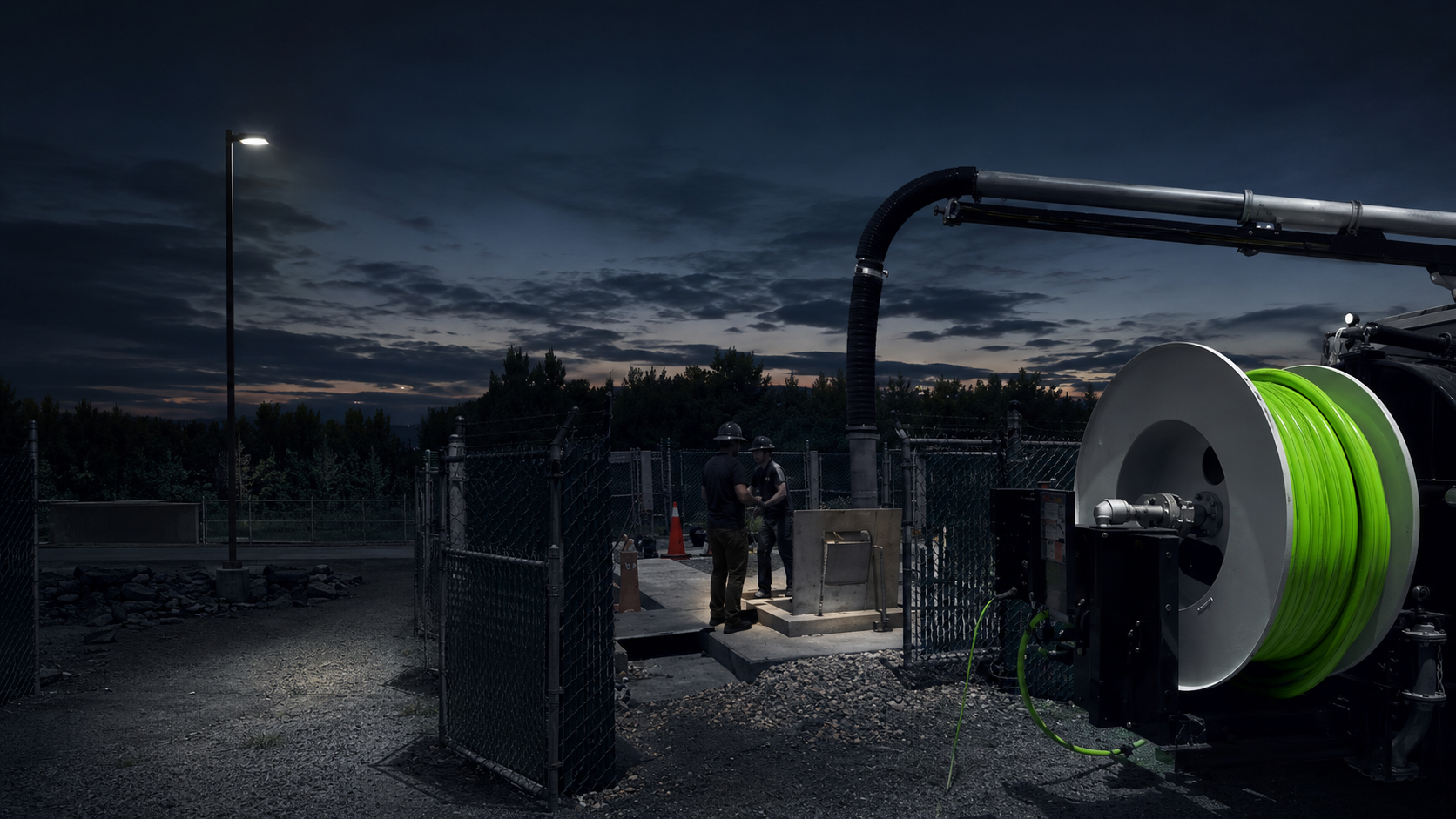
Lift station maintenance for municipalities is not just pump service. It is what happens inside the wet well, along the force main, and upstream in the gravity lines that decides whether a lift station runs clean or overflows.
Why Lift Station Maintenance Matters for Municipal Utilities
A lift station fails for reasons that start well before the pump. Grease and sediment accumulate in the wet well and reduce usable volume. Roots and cracked joints upstream let groundwater and stormwater into the sanitary system, adding flow the station was never sized for. The Florida Department of Environmental Protection tracks sanitary sewer overflows through its statewide SSO reporting system, and lift station and force main failures show up repeatedly in that data as a leading spill cause.
Heading into 2026, most Florida collection systems are older than the pumps installed in them. A sanitary sewer & stormwater infrastructure contractor with 10M+ feet of pipe experience sees the same pattern statewide: utilities that inspect and clean on a schedule spend less on emergency response than utilities that wait for an alarm.
Who This Guide Is For
This is written for public works directors, utility superintendents, and collection system managers responsible for lift station reliability across a municipal or county sewer system. If your program answers to FDEP consent orders, capital improvement budgets, or a board asking why overflow numbers are not going down, this applies to you.
What to Look for in Lift Station Maintenance for Municipalities
NASSCO Certified Wet Well & Force Main Inspection
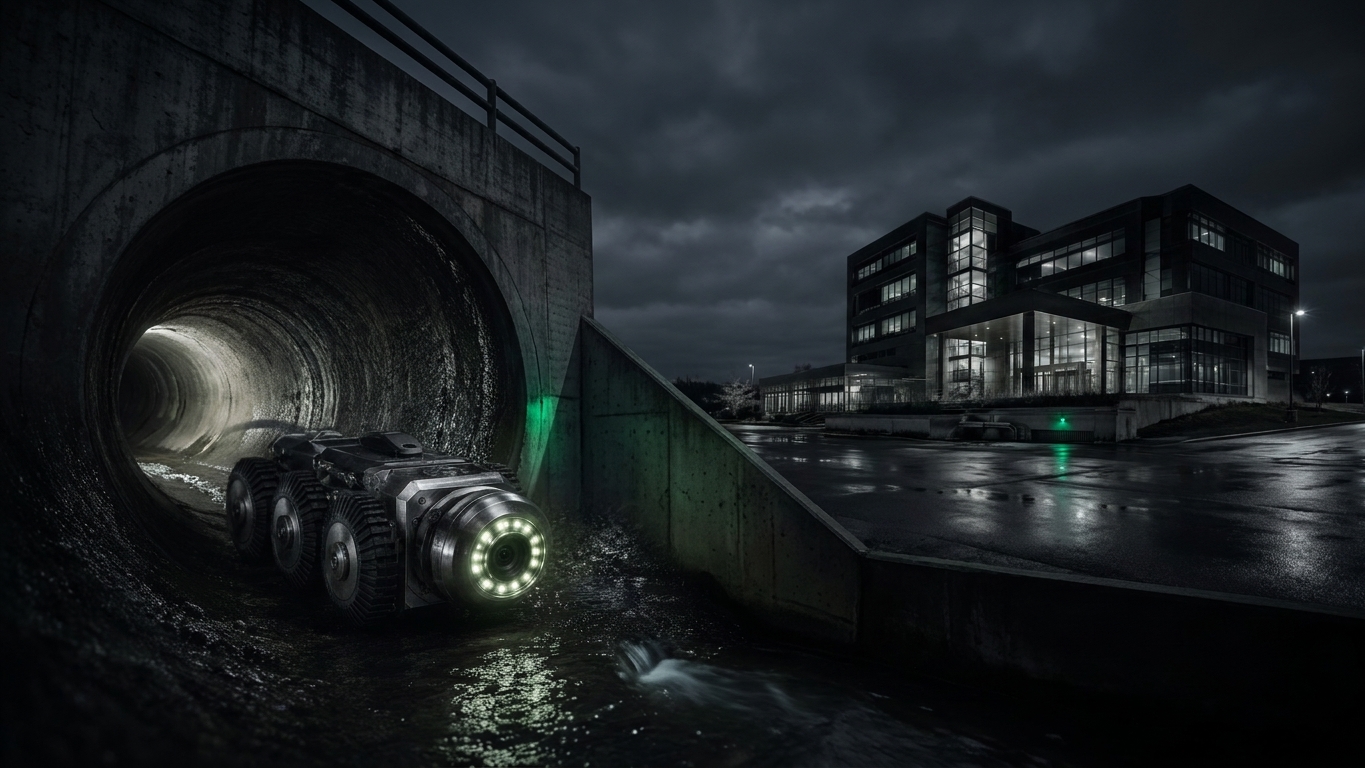
A lift station maintenance program without documented inspection is a guess. NASSCO certified CCTV inspection of the wet well and force main gives you a baseline condition record, not an opinion, and every SES condition assessment technician holds that certification.
Wet Well Cleaning & Descaling Frequency
Grease and sediment buildup reduces usable wet well volume, which shortens pump cycle time and increases wear. A cleaning schedule matched to actual buildup rate, not a generic annual visit, is the difference between a station that runs quiet and one that alarms every storm.
I&I Reduction Tied to Lift Station Loading
A lift station sized for dry weather flow will overflow in wet weather if the collection system upstream is leaking. I&I reduction work, including sanitary sewer evaluation programs (SSES), lowers the flow the station has to handle before you spend a dollar on the mechanical side.
Vac Truck & Hydro-Excavation Access for Wet Well Cleanout
Some wet wells sit in tight easements or under roadways where a standard cleaning crew cannot reach. Vacuum excavation and hydro-excavation give you a way to clean and expose a wet well or force main without open-cut digging through pavement or utilities.
Capital Planning for Force Main & Wet Well Rehabilitation
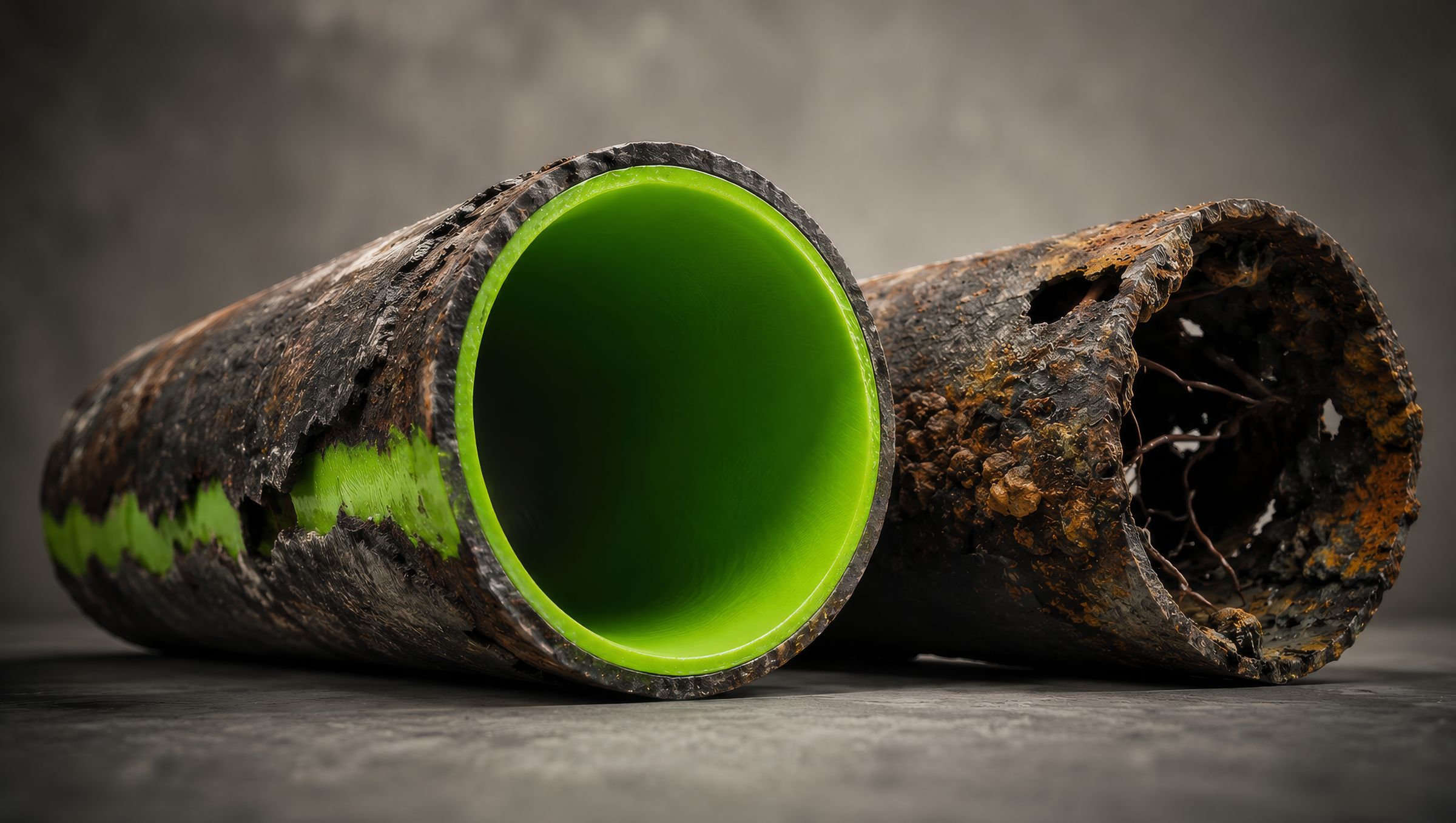
A force main that has never been assessed is a budget surprise waiting to happen. Capital planning built on a documented R3 assessment lets a utility price sectional point repair or cured-in-place pipe (CIPP) lining accurately instead of guessing at a bid.
FDEP Compliance Documentation
Every inspection and cleaning cycle should produce a record that holds up under an FDEP consent order or an audit. If your current program cannot produce that paper trail, it is not a compliance asset, it is a liability.
The Core Services a Lift Station Maintenance Program Needs
NASSCO Certified CCTV Inspection of Wet Wells & Force Mains. The hook: this is the diagnostic step everything else depends on. SES technicians carry NASSCO certification across a company with 10M+ feet of pipe experience and 20+ years in business since 2005. Verdict: Buy. Skip any program that goes straight to cleaning or repair without a documented inspection first.
Wet Well & Force Main Cleaning. The hook: this is the workhorse service that keeps a station from alarming. High-pressure jetting, mechanical cleaning, and descaling remove the grease and sediment layer that eats into wet well volume, the same service already running for commercial clients like the Sebastian FL commercial pipeline cleaning program on the Treasure Coast. Verdict: Buy. This is not optional, it is the baseline.
I&I Reduction & the L.A.T.E.R.A.L. Method. The hook: this is the upstream fix most programs skip. The L.A.T.E.R.A.L. Method runs seven stages, locate, assess, target, evaluate, rehabilitate, analyze, and lifecycle, to find and reduce the infiltration and inflow that overloads a lift station before it ever reaches the wet well. Verdict: Buy for any utility running an active SSES or facing an FDEP consent order.
Stormwater Pump Station & Culvert Cleaning. The hook: this matters if your system carries combined stormwater assets or nearby stormwater culvert cleaning needs feeding into the same easements. Sediment and debris in a culvert or pump station upstream of a sanitary lift station adds risk during hurricane season. Verdict: Consider if your utility manages both sanitary and stormwater assets in the same corridor.
Institutional & Campus Lift Stations. The hook: hospitals, schools, and correctional facilities run lift stations feeding critical occupied buildings, which is why sanitary sewer line cleaning & inspection for hospitals requires scheduling around operations that cannot shut down. Verdict: Consider if a lift station in your system serves a hospital, school, or 24 hour facility.
What to Avoid in Lift Station Maintenance Programs
- A vendor that jumps to pump replacement without CCTV inspection of the wet well and force main first. You cannot price a fix you have not documented.
- A cleaning contract with no baseline condition report. Without an R3 style assessment, next year's bid is a guess, not a scope.
- Ignoring I&I because it is not the lift station itself. Reducing upstream flow is often cheaper than upsizing a pump station.
Verdict Comparison: Lift Station Maintenance Components
| Service Component | Primary Benefit | Recommended Frequency | Verdict |
|---|---|---|---|
| NASSCO CCTV Inspection | Documented Condition Baseline | Annual to Every 2 Years | Buy |
| Wet Well &Amp; Force Main Cleaning | Restores Usable Capacity | Quarterly to Annual | Buy |
| I&I Reduction (SSES, L.A.T.E.R.A.L.) | Lowers Hydraulic Load on Station | Ongoing Program | Buy |
| Stormwater Pump Station Cleaning | Reduces Storm Season Risk | Pre and Post Hurricane Season | Consider |
| Institutional Lift Station Service | Scheduled Around Occupied Operations | Case by Case | Consider |
Frequently Asked Questions
What Is Lift Station Maintenance for Municipalities? It is the ongoing inspection and cleaning of the wet well, force main, and connecting sewer lines that keep a lift station running without overflowing. It includes NASSCO certified CCTV inspection, wet well cleaning, and upstream I&I reduction, not just pump service.
How Often Should a Municipal Lift Station Be Cleaned? Most wet wells need cleaning quarterly to annually depending on grease and sediment load. Coastal and high tourism areas with heavy grease input often need the shorter end of that range.
What Causes Most Lift Station Related Sewer Overflows? FDEP's statewide SSO reporting shows force main failures, wet well capacity loss, and excess wet weather flow from I&I among the recurring causes. Reducing upstream infiltration lowers the flow a station has to handle in the first place.
Does I&I Reduction Actually Lower Lift Station Runtime? Yes. Less groundwater and stormwater entering the collection system means less volume reaching the wet well, which means fewer pump cycles and less wear during storm events in 2026 and beyond.
What Is the Difference Between Lift Station Maintenance & Pump Repair? Lift station maintenance covers the wet well, force main, and upstream sewer condition. Pump repair is a separate mechanical scope. Treating them as one line item is how utilities miss the upstream problem causing the pump to fail early.
How Much Does Lift Station Maintenance Cost for a Municipality? Cost depends on wet well size, force main length, and current condition, so there is no flat number that applies statewide. A documented R3 assessment is what turns that variable into a defensible line item budget for 2026.