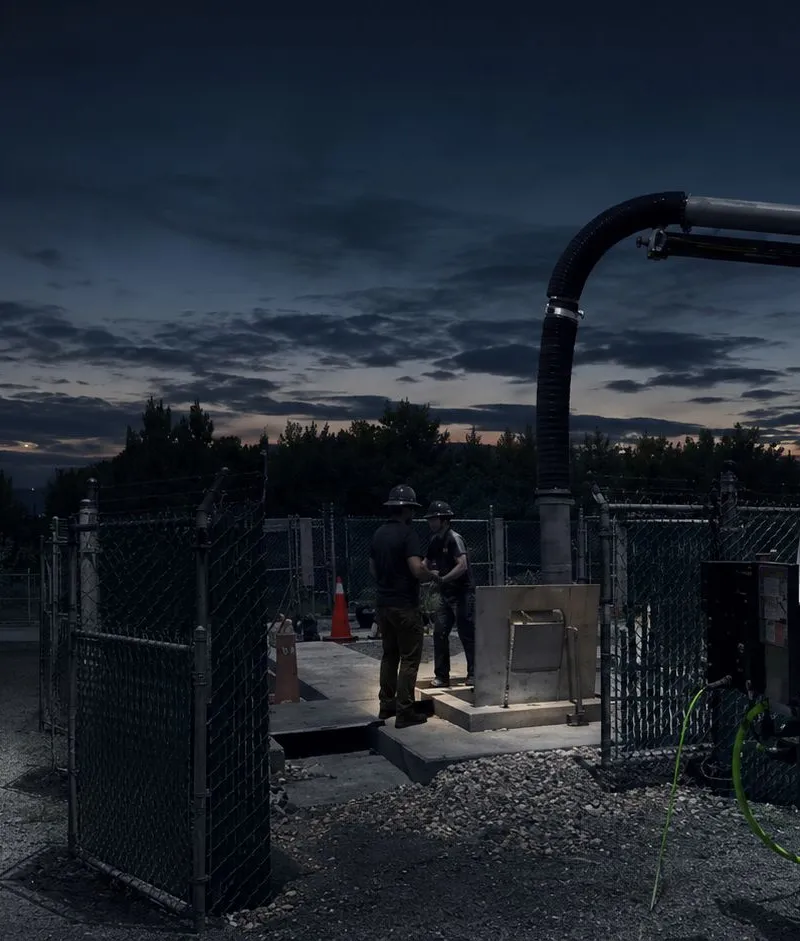
Hospitals cannot afford a sanitary sewer backup in a surgical wing or an ICU corridor. This guide covers what a hospital facilities team should require from sanitary sewer line cleaning and inspection work in 2026, and where a low bid quietly skips the documentation that protects the facility later.
Why This Matters
A hospital sanitary sewer line failure is not a maintenance ticket. It is a shutdown risk in a building where patient rooms, sterile processing, and lab drains all tie into the same collection system. NASSCO's Pipeline Assessment and Certification Program (PACP) sets the coding standard that most facility engineers and their insurers expect to see in an inspection report, and a contractor like Southeast Services building that documentation into every cleaning job gives a facilities director a defensible record instead of a verbal assurance.
Most hospital sewer problems trace back to buildup, not pipe failure. Grease from food service, lint and biological solids from linen operations, and scale in cast iron lines installed decades ago all narrow a pipe's flow capacity over time. Cleaning without inspection treats the symptom. Cleaning with CCTV and GIS documentation gives a facility a record it can act on for the next 5 to 10 years of capital planning.
Who This Guide Is for
This is written for hospital plant operations directors, facilities engineers, and infection control officers responsible for sanitary sewer performance in acute care hospitals, outpatient surgical centers, and long term care campuses across Florida. It applies whether the facility is planning routine maintenance, responding to a slow drain complaint, or building a capital request for a line that keeps failing.
What to Look for in Sanitary Sewer Cleaning & Inspection for Hospitals
NASSCO Certified CCTV & GIS Documentation
Every inspection technician on the job should hold NASSCO certification, and the footage should come coded to the PACP standard, not a raw video file with no defect log. GIS mapping ties every pipe segment to a coordinate, which matters when a facility has decades of undocumented additions and no as built drawings for its sewer laterals.
Off-Hours & Phased Scheduling
A hospital cannot shut down a wing for cleaning. Work needs to run on a schedule built around patient census, surgical block time, and shift changes, phased floor by floor or wing by wing so no single event takes the whole facility's drainage offline at once.
Descaling & Root Cutting Before Rehabilitation
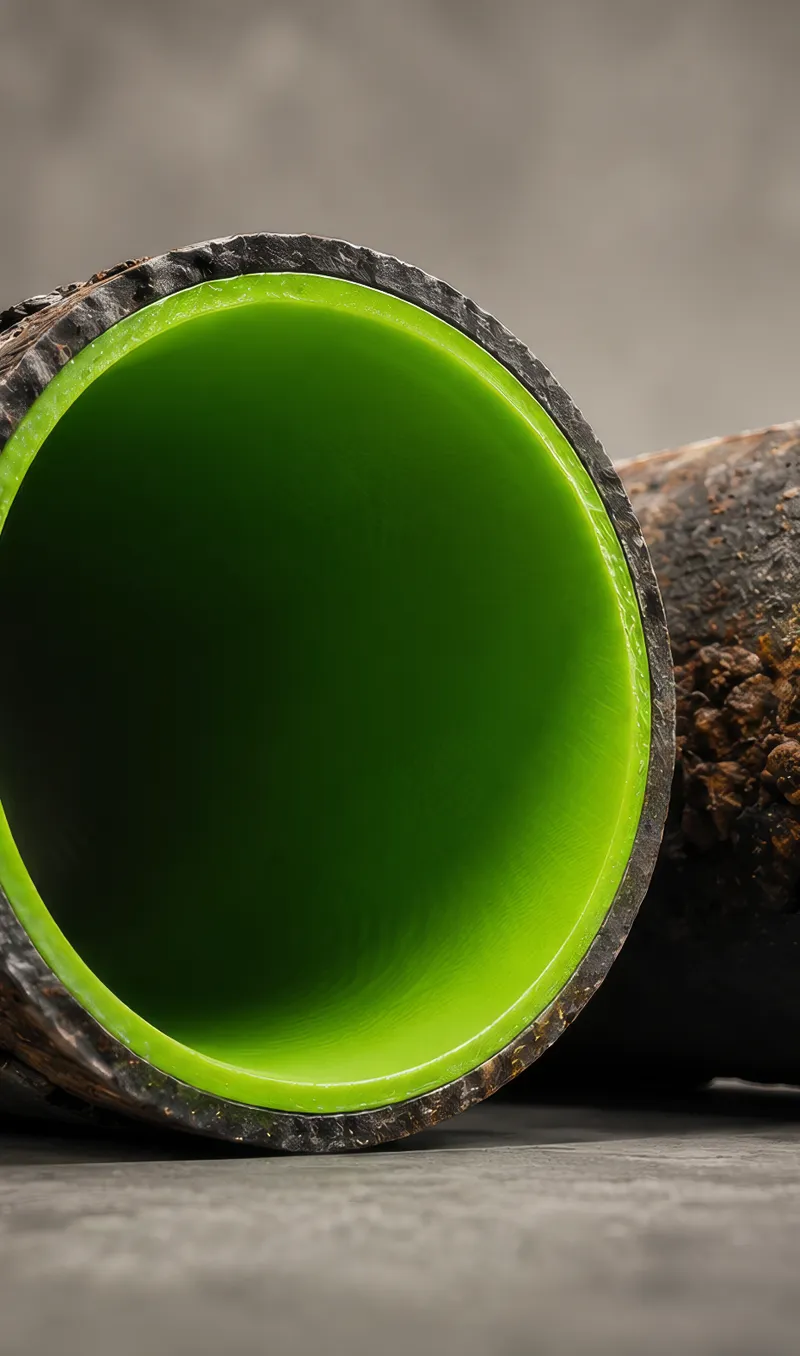
A line with heavy scale or root intrusion will not accept lining or coating correctly. Mechanical descaling and root cutting ahead of any rehabilitation bid is what separates an accurate capital estimate from a change order six weeks into the job.
Infection Control During Active Cleaning
Jetting and mechanical cleaning move solids and generate vapor. A contractor working in a hospital needs a plan for odor and vapor containment near clinical spaces, not just a hose and a vac truck parked at the nearest cleanout.
Emergency Response Capacity
A hospital cannot wait a week for a callback when a line backs up into a corridor. Confirm the contractor has vac truck and jetting equipment staged in Florida, not dispatched from out of state, especially heading into hurricane season.
The Service Components That Matter for Hospital Campuses
NASSCO Certified CCTV & GIS Documentation. The paper trail pick. Every foot of pipe gets coded footage and a GIS coordinate, building on a track record across 10M+ feet of pipe assessed statewide since Southeast Services opened in 2005. Buy. This is the baseline, not an upgrade.
High-Pressure Hydro Jetting & Mechanical Descaling. The workhorse. Jetting pressure up to 4,000 psi clears grease and scale that a standard rodding pass leaves behind, and the same high pressure jetting approach used on commercial properties in Sebastian, Florida scales to a hospital campus with the right scheduling controls. Buy. Skip a contractor offering only low pressure rodding.
Root Cutting & Pre-Rehab Prep. The setup step. Mechanical root cutting clears intrusion that CCTV inspection flags, using the same hydro jetting methodology proven in Florida HOA community cleaning programs applied at commercial scale. Consider this only after inspection confirms root intrusion. Do not pay for it as a blanket line item.
Emergency & Storm Response Standby. The insurance policy. A vac truck staged locally means a hospital gets same day response instead of a multi day wait during storm season, when Florida's collection systems see the highest inflow. Consider a standing response agreement if the facility sits in a flood prone or coastal zone. Skip it if the campus already has an on call agreement with adequate response time in writing.
What to Avoid When Hiring for Hospital Sewer Work
- A jetting only bid with no CCTV footage. It looks cheaper on paper, but a hospital ends up with a clean line and zero documentation of its actual condition, which is the wrong tradeoff when a capital committee asks for evidence before funding a repair.
- Daytime cleaning in occupied clinical wings without vapor containment. A contractor that treats a hospital corridor like a parking lot cleanout job creates an odor and infection control problem that outweighs any schedule savings.
- One time spot cleaning sold as a full assessment. A single access point cleaned and called done does not tell a facilities director whether the rest of the line needs cured-in-place pipe (CIPP) lining or just routine maintenance. Full length CCTV inspection is what actually informs that decision.
How the Components Compare
| Criterion | Why It Matters for Hospitals | Verdict |
|---|---|---|
| NASSCO Certified CCTV Inspection | Builds a Defensible Condition Record for Capital Planning | Buy |
| GIS System Mapping | Ties Undocumented Laterals to a Coordinate for Future Work | Buy |
| Off-hours Phased Scheduling | Keeps Clinical Operations Running During Cleaning | Buy |
| High Pressure Jetting &Amp; Descaling | Clears Buildup a Standard Rod Pass Leaves Behind | Buy |
| Root Cutting &Amp; Pre Rehab Prep | Sets Accurate Scope Before a Lining or Coating Bid | Consider |
| Emergency Standby Response | Cuts Response Time During Storm Season Backups | Consider |
Frequently Asked Questions
What Is Included in Sanitary Sewer Line Cleaning & Inspection for Hospitals? It includes mechanical or hydro jetting to clear the line, followed by NASSCO certified CCTV inspection with PACP coded defect logging and GIS mapping of every segment. A full scope also includes a written condition report a facility can use for budgeting.
How Often Should a Hospital Clean & Inspect Its Sanitary Sewer Lines? Frequency depends on pipe age and prior inflow and infiltration history, but a facility with cast iron lines from the 1950s to 1970s should schedule inspection at least annually. High use lines like kitchen and lab drains often need cleaning twice a year.
Can Hydro Jetting Damage Cast Iron Hospital Piping? Properly calibrated jetting does not damage sound cast iron, but pressure and nozzle selection has to match pipe condition. This is why CCTV inspection ahead of jetting matters, so the crew knows what condition the pipe is actually in before applying pressure.
Is CCTV Inspection Required Before Sewer Rehabilitation? Yes. Rehabilitation decisions including cured-in-place pipe (CIPP) lining require a documented baseline condition, and skipping inspection means pricing a repair blind, which is how change orders happen mid project.
How Does Southeast Services Schedule Work Around Patient Care? Work is phased by wing or floor and scheduled during low census windows, often overnight, so cleaning and inspection do not interrupt surgical blocks or patient rooms. Scope gets confirmed with facilities staff before mobilization.
What Is the R3 Rehabilitation Readiness Report? The Rehabilitation Readiness Report (R3) is a standardized condition assessment deliverable that documents everything needed to price a rehabilitation accurately, performed by NASSCO certified technicians. It gives a facility a single reference document instead of scattered field notes.
Does Southeast Services Handle Emergency Sewer Backups at Hospitals? Yes, emergency and storm response is part of the specialty service line, with equipment staged in Florida rather than dispatched from out of state. This matters most during hurricane season when inflow spikes across the state's collection systems.
How Much Downtime Does Cleaning & Inspection Cause? Properly phased work causes no clinical downtime, since access happens through cleanouts and manholes rather than inside patient care areas. Any line requiring point repair gets scheduled separately once the inspection report defines the actual scope.
One Last Thing
Most hospital sewer failures that end up as emergency calls trace back to a line that was cleaned repeatedly for years with no CCTV record kept between visits. The facility paid for cleaning every time and never built a condition history, so nobody could tell the difference between a line that was improving and one quietly getting worse. A GIS mapped, PACP coded inspection record turns every future cleaning visit into a data point instead of a one off event.