Cast iron pipe in Florida homes built between the 1950s and 1970s is aging out, and trenchless cast iron pipe rehabilitation fixes it without opening your yard or slab. This guide breaks down what to check, what to pick, and what to skip before you sign a contract in 2026.
Why This Matters for Your Home
Cast iron drain and sewer pipe corrodes from the inside, and Florida's water chemistry and high water tables speed that up. A pipe installed in 1965 has had 60 years to scale, crack, and lose wall thickness, and once it starts failing, it does not fail gradually in one spot, it fails in a pattern along the run.
Southeast Services has inspected and rehabilitated cast iron lines across Florida homes for over 20 years, and the pattern is consistent: homeowners who get a camera inspection before calling a plumber save money. Homeowners who wait until a backup forces the issue usually end up paying for emergency work instead of a planned fix.
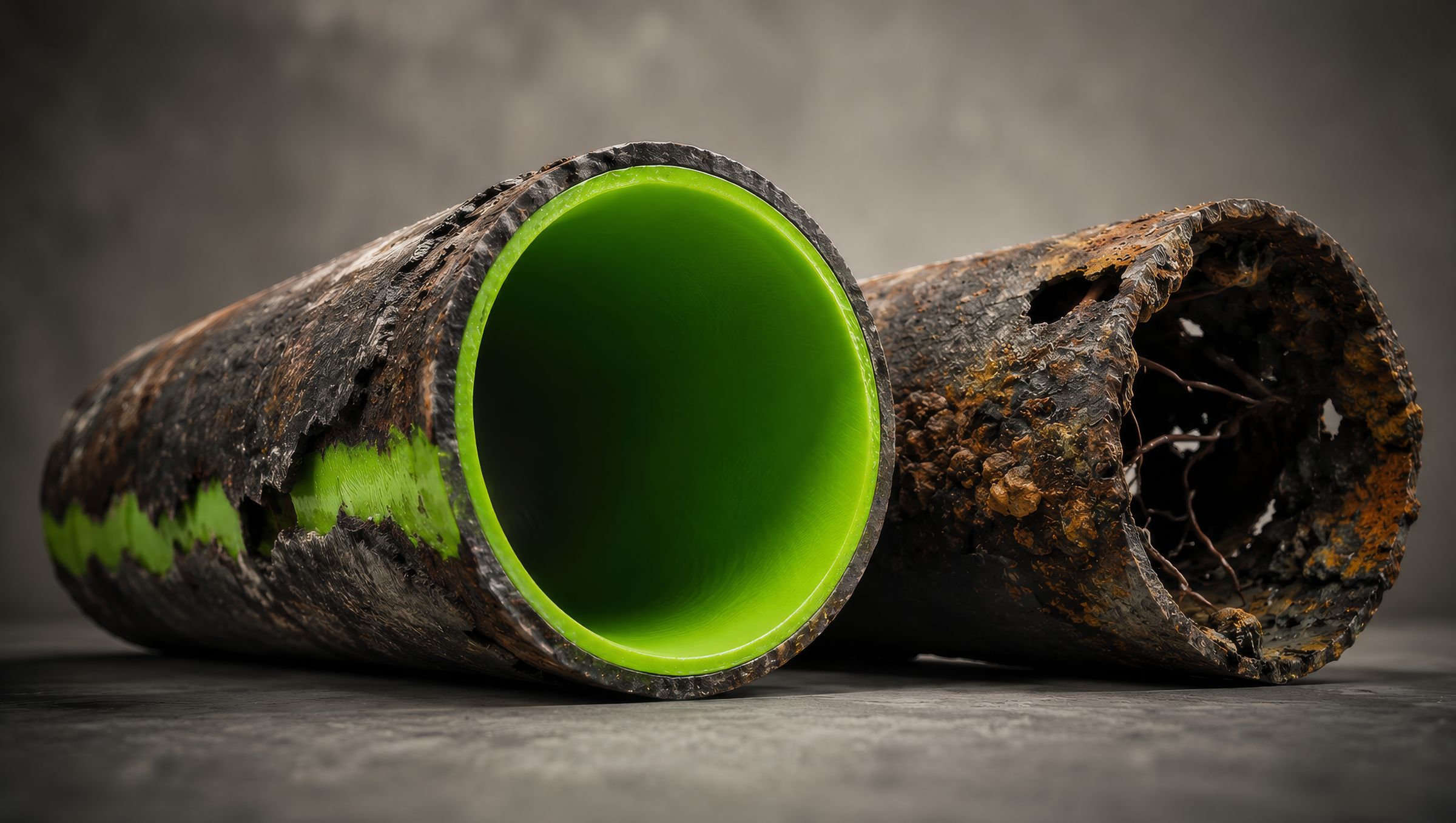
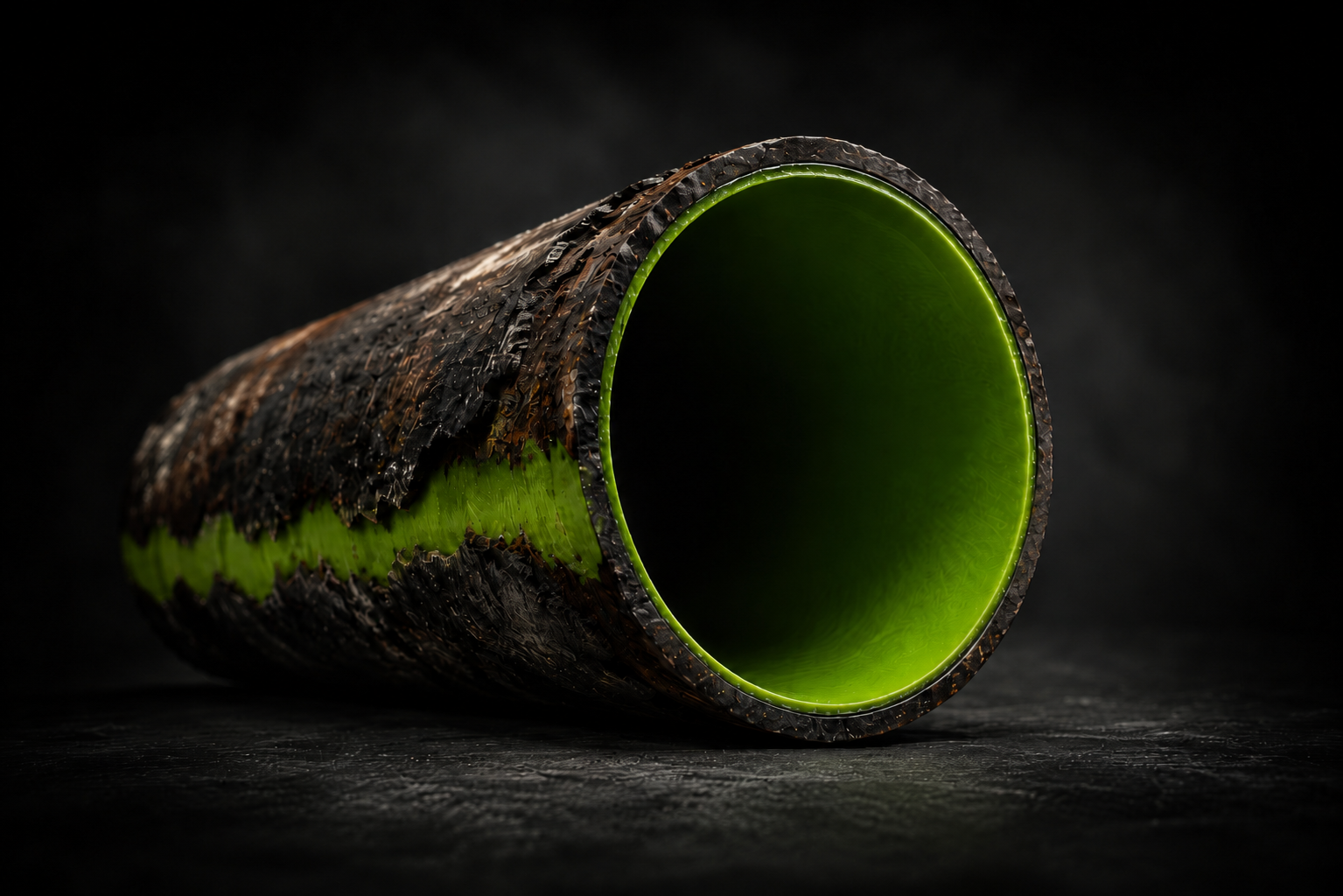
Trenchless cast iron pipe rehabilitation exists because cutting open a slab or a yard to replace cast iron costs more in restoration than the pipe work itself. Cured-in-place pipe (CIPP) lining installs a resin liner inside the existing pipe, cures it in place, and creates a new pipe wall without excavation.
Who This Guide Is For
This is for owners of Florida homes built in the 1950s, 1960s, or 1970s who still have original cast iron drain and sewer lines, and are seeing warning signs: slow drains across multiple fixtures, gurgling, sewer odor, or a plumber who mentioned cast iron corrosion during an unrelated visit. It applies to single-family and multi-family owners in Brevard, Indian River, St. Lucie, Martin, and Palm Beach counties, where Southeast Services runs its residential trenchless division.
What to Look for in Cast Iron Pipe Rehabilitation for Florida Homes
A NASSCO Certified Inspection Before Any Bid
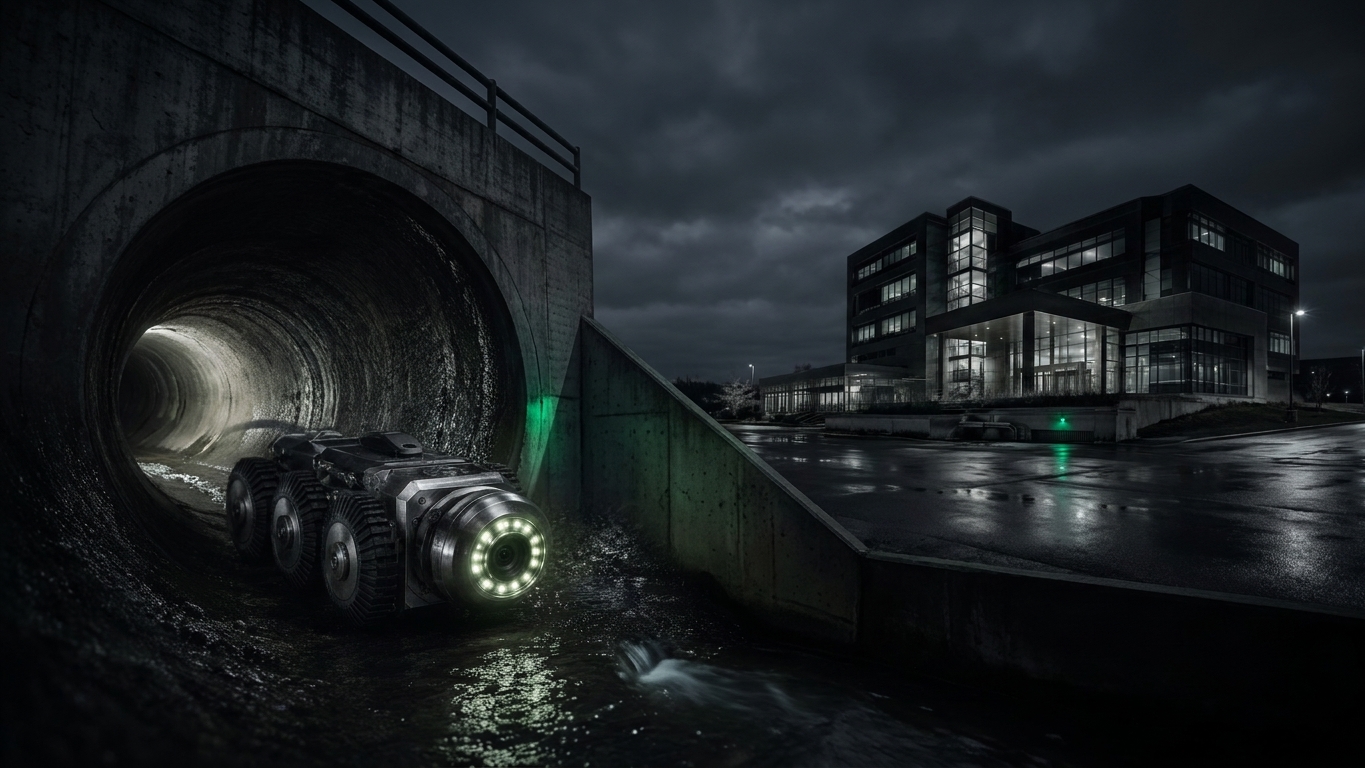
A contractor who quotes a fix without running a camera through the line first is guessing. NASSCO certified inspection documents the exact condition, foot by foot, so the scope matches the actual damage instead of a worst-case assumption. Every Southeast Services technician performing condition assessment work holds NASSCO certification.
CIPP Rated for Cast Iron Diameters & Bends
Not every liner system handles the diameter changes and offset joints common in older cast iron. Ask what resin and liner system the contractor uses, and whether it is rated for the specific pipe diameter in your home, most residential cast iron runs 3 to 4 inches with transitions at fixture connections.
No-Dig Access That Protects Your Slab & Landscaping
The entire reason to choose trenchless work is avoiding excavation. Confirm the crew accesses the line through existing cleanouts or a single small access point, not a trench along the pipe run. If a bid includes significant digging for a line that CIPP could reach through a cleanout, that is a red flag.
Florida Licensing You Can Verify
Cast iron rehabilitation touches plumbing, structural, and general contracting scopes depending on access method. Confirm the contractor holds the relevant Florida licenses and can produce them on request. Southeast Services holds CFC1429186, CUC1223872, and CGC1525265.
A Written Scope Tied to the Inspection Footage
The bid should reference specific footage and defects found during inspection, not a flat per-linear-foot number with no backup. The Rehabilitation Readiness Report (R3) that Southeast Services builds for every job documents pipe condition against the footage so the price matches the actual scope, not a guess.
Experience With 1950s to 1970s Florida Housing Stock
Cast iron installed during that era in Florida behaves differently than cast iron in other climates because of sandy soils, high water tables, and coastal corrosion exposure. A contractor who works statewide in Florida homes from that build era has already seen the failure patterns specific to this housing stock, not a generic national playbook.
Top Picks for Cast Iron Pipe Rehabilitation
Sewer camera inspection (the step nobody should skip). This is diagnostic, not cosmetic, it documents pitting, offset joints, and scale buildup foot by foot before any other decision gets made. A single inspection pass typically covers the full drain and sewer run in under 2 hours. Verdict: Buy, every cast iron rehabilitation project starts here.
Cured-in-place pipe (CIPP) lining (the primary fix). CIPP installs a resin-saturated liner through existing access points and cures it into a new pipe wall inside the old cast iron, no trench required. It restores full flow capacity on runs that have lost 20% or more of original diameter to scale. Verdict: Buy for full-length cast iron rehabilitation on runs confirmed structurally sound enough to line.
Pipe descaling & hydro jetting prep (the step that makes lining possible). Heavy scale buildup has to come out mechanically before a liner will bond correctly, this is prep work, not a standalone fix. A properly descaled line restores close to original interior diameter before the resin goes in. Verdict: Consider as a required pairing with CIPP, never as a substitute for it.
Sectional point repair (the wildcard for one bad joint). When inspection shows a single failed joint or localized crack rather than corrosion along the whole run, a full-length liner is overkill. Point repair fixes the specific defect through the same no-dig access. Verdict: Consider when footage shows an isolated defect rather than a pattern of wear.
Full trenchless pipe repair for total collapse (the last resort before excavation). When cast iron has collapsed or lost structural integrity beyond what a liner can bridge, replacement through trenchless methods is the remaining no-dig option. This is a larger scope and cost than lining. Verdict: Consider only after inspection footage confirms collapse, not as a first move.
Get Your Cast Iron Line Inspected
Request a NASSCO certified assessment before you approve any scope.
What to Avoid
- Chemical drain cleaners on cast iron. Repeated use accelerates internal corrosion in pipe that is already thinning, it treats a symptom while making the underlying pipe worse.
- A full excavation bid with no inspection footage attached. If a contractor quotes trench replacement without showing you camera footage first, you have no way to confirm the scope matches the actual damage.
- Contractors who cannot produce Florida license numbers on request. Cast iron rehabilitation is licensed work, ask for the numbers before signing anything.
Verdict Comparison
| Service | Best For | Typical Disruption | Verdict |
|---|---|---|---|
| Sewer Camera Inspection | Confirming Condition Before Any Bid | No Digging, Under 2 Hours | Buy |
| CIPP Lining | Full-length Cast Iron Rehabilitation | No Digging, Cured in Place | Buy |
| Pipe Descaling &Amp; Jetting | Prep Work Ahead of Lining | No Digging, Half Day | Consider |
| Sectional Point Repair | One Failed Joint or Isolated Defect | No Digging, Spot Access Only | Consider |
| Full Trenchless Pipe Repair | Total Collapse Beyond Lining | Minimal Excavation at Access Points | Consider Only |
Frequently Asked Questions
What is trenchless cast iron pipe rehabilitation?
Trenchless cast iron pipe rehabilitation repairs failing cast iron drain and sewer lines from inside the existing pipe, without excavation. Cured-in-place pipe (CIPP) lining is the most common method, installed through existing cleanouts.
How do I know if my Florida home has cast iron pipe?
Homes built in Florida in the 1950s, 1960s, or 1970s commonly used cast iron for drain and sewer lines. A magnet will stick to exposed cast iron pipe, and a camera inspection confirms the material and condition throughout the run.
Is CIPP lining better than replacing cast iron pipe?
CIPP lining avoids excavation and restores full flow capacity on structurally sound cast iron, making it faster and less disruptive than replacement. Replacement becomes necessary only when inspection shows collapse or damage a liner cannot bridge.
How much does cast iron pipe rehabilitation cost in Florida?
Cost depends on the length and diameter of the run, wall condition, and number of defects found during inspection. Get a camera inspection first so any bid is tied to documented footage rather than an estimate.
How long does trenchless cast iron rehabilitation take?
Most residential CIPP lining projects complete within a single day once inspection and descaling are finished, since the resin liner cures in place. Larger or more complex runs with multiple point repairs can take longer.
Can I use drain cleaning chemicals on cast iron pipe instead?
No, chemical drain cleaners accelerate corrosion in cast iron pipe that is already thinning from age. They clear a clog temporarily but do not address the underlying pipe condition, and repeated use makes eventual rehabilitation more urgent.
Does trenchless rehabilitation work on older Florida homes with sandy soil?
Yes, trenchless methods access the pipe through existing cleanouts rather than trenching through soil, which matters in Florida's sandy soils and high water tables where excavation is more disruptive and costly.
Who is licensed to do cast iron pipe rehabilitation in Florida?
Florida requires specific contractor licenses for this scope of work. Ask any contractor to produce their license numbers before signing, and confirm NASSCO certification for anyone performing the condition assessment.
One Last Thing
Most homeowners assume cast iron failure means a single burst pipe, but the more common pattern in Florida homes from the 1950s to 1970s is gradual scale buildup across the entire run, cutting effective diameter by 20% or more before anyone notices slow drains. That is why the camera inspection matters more than the fix itself, it tells you whether you are dealing with one bad joint or a line that has been narrowing for 60 years.
Related Guides
- Pipeline Cleaning for Indian River Shores Florida Homes
- Pipeline Cleaning & Hydro Jetting for HOA Communities
Southeast Services of the Treasure Coast, Inc. is a Florida licensed contractor (CFC1429186, CUC1223872, CGC1525265) serving Brevard, Orange, Volusia, Indian River, St. Lucie, Martin, and Palm Beach counties. Call 888-808-CIPP (2477) or visit southeastservices.com/residential for a no-dig assessment of your cast iron line.