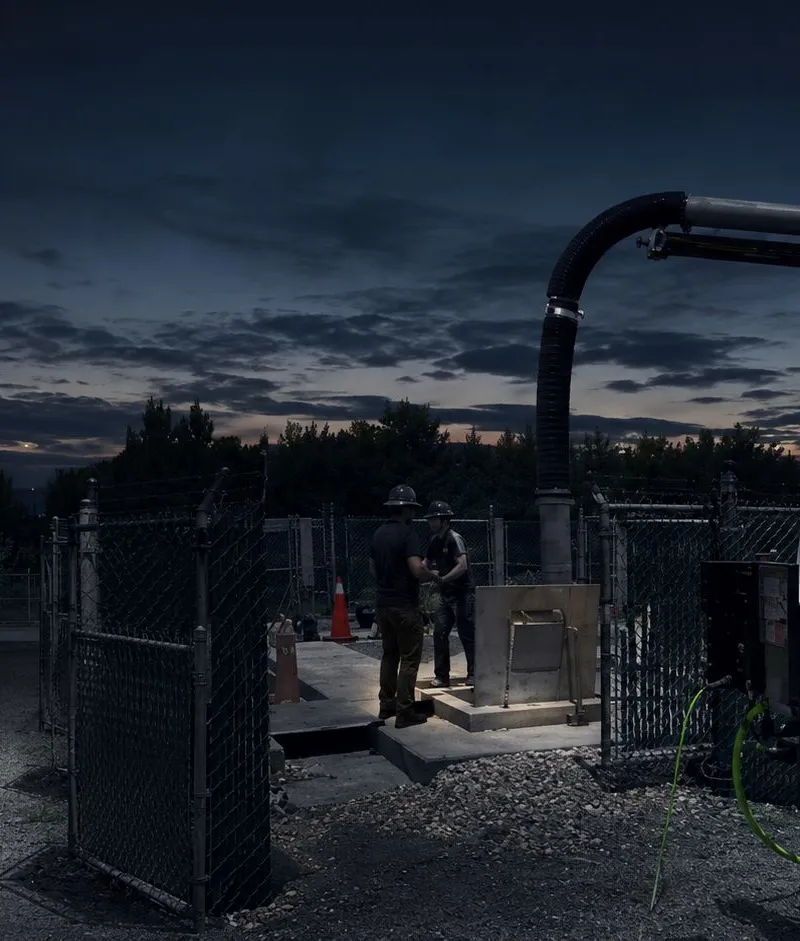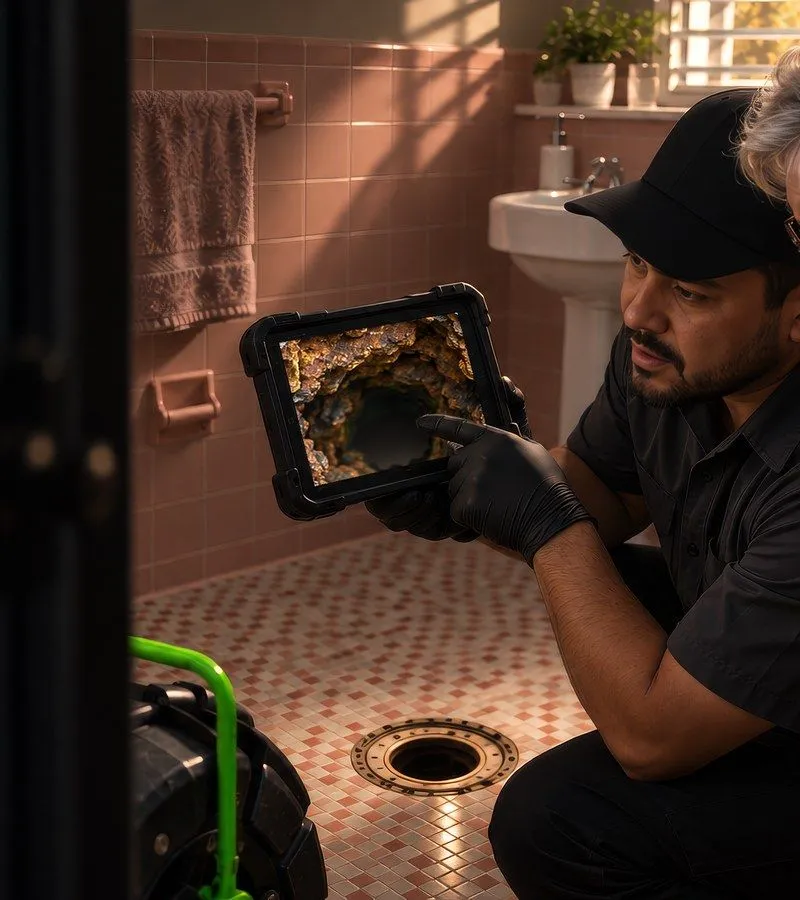
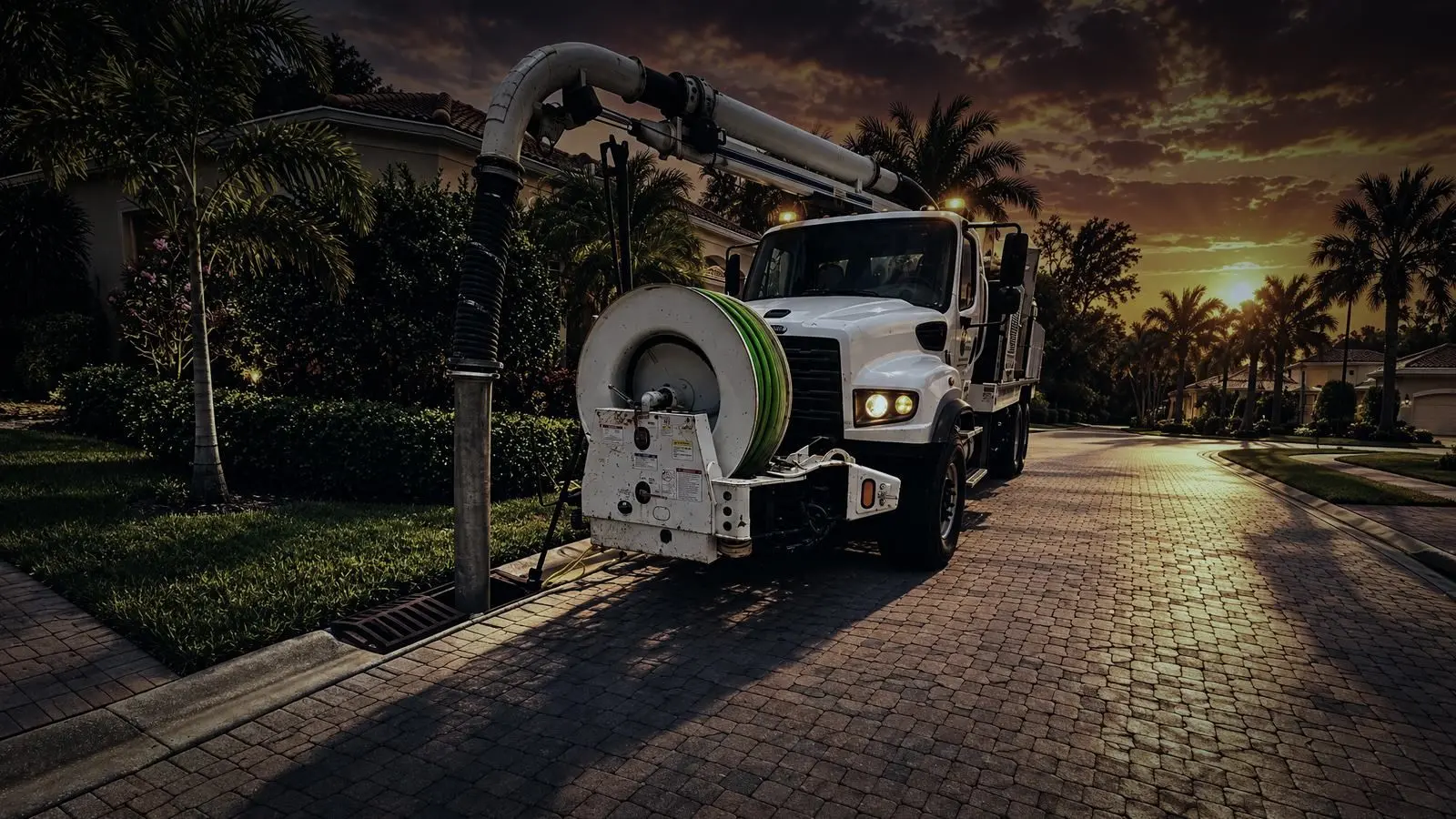
Best overall for sediment in both pipes and structures: combined vacuum removal and high-pressure jetting. Best for catch basin deposits: vacuum removal. Best for accessible pipe deposits: high-pressure jetting. These storm drain cleaning methods for HOA communities address different obstructions. The right scope follows the documented condition, not an equipment preference.
- Combined vacuum removal and jetting leads storm drain cleaning methods for HOA communities with sediment in pipes and structures.
- Vacuum removal collects catch basin sediment. Jetting addresses deposits inside accessible storm drain pipes.
- Mechanical root cutting addresses root intrusion, not the opening that allowed roots inside.
- Southeast Services provides stormwater cleaning and condition assessment for Florida HOA infrastructure.
Why This Matters
An HOA stormwater system includes connected assets, not isolated grates. Clearing an inlet does not establish that the downstream pipe, catch basin, or outfall is clear. A cleaning proposal needs to identify where material sits and where it will go during removal.
For 2026 maintenance planning, boards should separate routine cleaning from investigation of recurring drainage problems. The guide to storm drain maintenance for HOA communities addresses the maintenance program surrounding an individual cleaning visit.
Southeast Services is best for Florida HOA boards seeking stormwater cleaning connected to condition assessment and rehabilitation planning. The decision starts with evidence of the obstruction and ends with documentation of the work.
What Makes the Best Storm Drain Cleaning Methods for HOA Communities
A defensible method selection answers these questions before work starts:
- Obstruction match: Does the method address sediment, loose debris, roots, or another documented restriction?
- Material recovery: Does the scope explain how loosened material will be collected rather than moved downstream?
- Asset condition: Can the pipe or structure tolerate the proposed cleaning approach?
- Access: Are structures, pipe openings, equipment positions, and resident access identified?
- Verification: Does the contractor document completed cleaning and remaining defects?
These criteria matter more than choosing the most aggressive equipment. Cleaning should expose the condition of the asset without treating structural damage as a maintenance problem.
Cleaning Methods at a Glance
| Method | Best For | Standout Function | Key Limitation |
|---|---|---|---|
| Combined Vacuum Removal and Jetting | Sediment Across Connected Pipes and Structures | Loosens Deposits and Recovers Material Within One Coordinated Scope | Requires Access and Coordination Between Cleaning and Collection |
| Vacuum Removal | Catch Basin and Accessible Structure Deposits | Extracts Accumulated Material | Does Not Alone Clean Every Connected Pipe |
| High-pressure Jetting | Deposits Inside Accessible Storm Drain Pipes | Directs Water Through the Pipe to Loosen and Move Material | Needs a Defined Recovery Point |
| Mechanical Root Cutting | Documented Root Intrusion | Cuts Roots Restricting the Pipe | Does Not Repair the Entry Defect |
| Surface Debris Removal | Leaves and Litter at Accessible Inlet Openings | Clears the Surface Entry Path | Does Not Establish Underground System Condition |
1. Combined Vacuum Removal & Jetting: Best for Connected Deposits
Combined vacuum removal and high-pressure jetting is the strongest default when inspection identifies sediment in both storm drain pipes and accessible structures. Jetting loosens and moves material toward a planned collection location. Vacuum removal extracts the collected material.
The scope should connect those activities. A proposal that lists both services without defining collection points leaves a material-handling question unanswered.
Combined cleaning pros:
- Addresses pipe deposits and structure accumulation together.
- Provides a planned recovery path for loosened material.
- Prepares accessible assets for clearer condition assessment.
Combined cleaning cons:
- Requires suitable access for equipment and material collection.
- Does not correct a collapsed pipe, displaced joint, or failed outlet.
Best For: HOA systems with documented sediment across connected pipes and structures.
For a 2026 board authorization, identify the assets included, the planned recovery locations, and the required completion records. Do not approve a system-wide cleaning claim supported only by a list of equipment.
Verdict: Buy when deposits span pipes and structures and the scope defines recovery.
2. Vacuum Removal: Best for Catch Basin Sediment
Vacuum removal extracts sediment and debris from accessible stormwater structures. It fits catch basins and collection points where accumulated material needs to leave the system, not simply change location.
A board should distinguish structure cleaning from connected pipe cleaning. Removing deposits from a catch basin does not prove that its outlet pipe is open throughout its length.
Vacuum removal pros:
- Removes accumulated material from accessible structures.
- Supports collection during coordinated pipe cleaning.
- Allows documentation of exposed structure conditions.
Vacuum removal cons:
- Reach and access affect what the crew can remove.
- A connected pipe restriction needs its own scope.
Best For: Catch basins and accessible structures with accumulated sediment or loose debris.
The proposal should name the structures rather than describe the work as general drainage maintenance. Completion records should identify any remaining material, inaccessible areas, or visible defects.
Verdict: Buy for structure deposits. Hold any claim that vacuum removal alone clears the entire network.
3. High-Pressure Jetting: Best for Accessible Pipe Deposits
High-pressure jetting uses directed water to loosen and move deposits inside a pipe. Its suitability depends on the obstruction, pipe condition, access, and planned handling of displaced material.
Jetting is not a substitute for knowing the drainage route. The contractor needs a defined destination for the material and a way to recover it where required by the scope.
High-pressure jetting pros:
- Reaches deposits inside accessible pipe runs.
- Supports cleaning before CCTV Pipeline Inspection.
- Works with vacuum collection for material recovery.
High-pressure jetting cons:
- Moving sediment does not equal removing sediment from the system.
- Damaged or uncertain pipe conditions require assessment before method selection.
Best For: Accessible storm drain pipes with deposits suited to water-based cleaning.
For 2026 procurement, boards should request a cleaning objective rather than an unsupported pressure specification. Equipment settings belong to the contractor's condition-based work plan.
Verdict: Buy when the pipe condition, access, and recovery plan support jetting.
4. Mechanical Root Cutting: Best for Confirmed Root Intrusion
Mechanical root cutting removes roots obstructing the pipe interior. It is a targeted response to documented intrusion, not a general treatment for every slow-draining stormwater line.
Roots enter through an opening. Cutting the obstruction does not close that opening or establish that the surrounding pipe remains suitable for continued service.
Mechanical root cutting pros:
- Targets a confirmed root obstruction.
- Can improve access for follow-up inspection.
- Helps expose the location needing further evaluation.
Mechanical root cutting cons:
- Leaves the underlying entry defect unresolved.
- Requires equipment selection suited to pipe condition and geometry.
Best For: Pipes where inspection confirms roots restricting the flow path.
The board should request post-cleaning evidence and a separate recommendation for the entry defect. Repeated cutting without evaluating the opening treats the obstruction while leaving its cause in place.
Verdict: Buy for confirmed roots. Hold rehabilitation approval until the exposed defect is assessed.
5. Surface Debris Removal: Best for Accessible Inlet Openings
Contractor-performed surface debris removal clears leaves, litter, and loose material obstructing accessible inlet openings. It fits a visible surface restriction and supports routine site maintenance.
Its boundary matters. A clear grate says nothing about sediment inside the catch basin or damage farther along the storm drain pipe.
Surface debris removal pros:
- Addresses visible inlet obstructions directly.
- Keeps removed litter from entering the drainage system.
- Provides a defined, limited maintenance scope.
Surface debris removal cons:
- Does not clean concealed pipe deposits.
- Does not diagnose recurring ponding or underground defects.
Best For: Accessible inlet openings obstructed by surface leaves and litter.
Boards should not treat photographs of clean grates as evidence of completed underground cleaning. The completion record must match the asset and work actually authorized.
Verdict: Buy for visible surface debris. Skip it as the sole response to recurring underground restrictions.
How the Methods Are Ranked
The ranking prioritizes obstruction match, material recovery, asset condition, access, and verification. Combined cleaning leads because it addresses both pipe deposits and collection structures when those conditions exist. The narrower methods rank by the specific problem they solve.
This is a scope-selection guide, not a claim that every HOA needs every method. A limited obstruction calls for a limited response. Structural damage calls for assessment and a separate rehabilitation decision.
Build a Scope the Board Can Verify
A 2026 storm drain cleaning authorization should connect field access, material removal, and completion evidence. Southeast Services connects Pipeline Cleaning with CCTV Pipeline Inspection so the next decision rests on documented conditions.
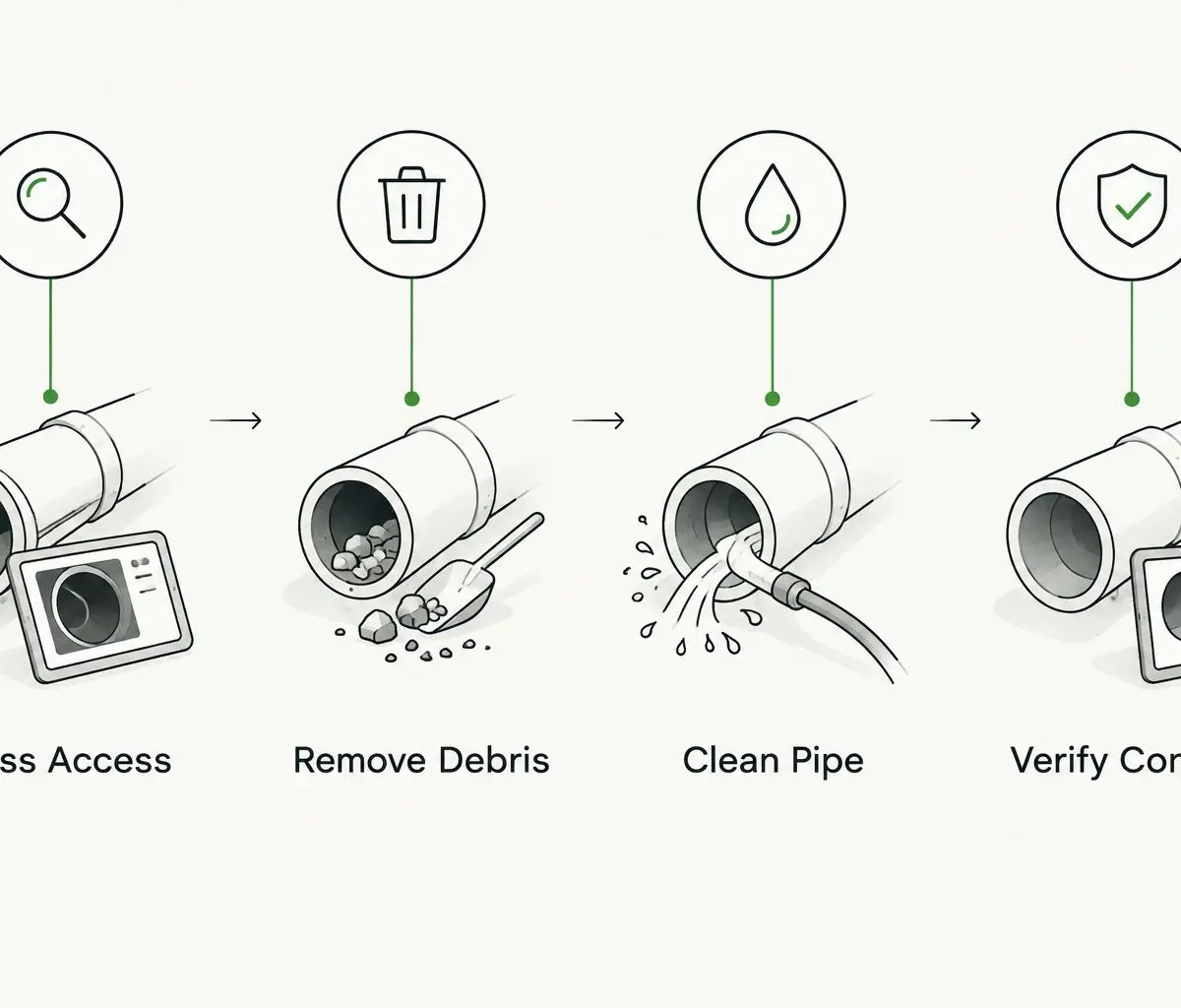
The work sequence should identify these stages:
- Assess Access: Identify included assets, equipment locations, and operational constraints.
- Remove Debris: Define structure cleaning and material recovery locations.
- Clean Pipe: Match the cleaning method to the documented obstruction and pipe condition.
- Verify Condition: Record completed work, remaining restrictions, and defects requiring evaluation.
The sequence is not a DIY procedure. It is a framework for comparing contractor scopes and identifying missing responsibilities before authorization.
Which Method Should the HOA Choose?
Choose combined vacuum removal and jetting when sediment affects both pipes and structures. Choose a narrower method when evidence identifies a narrower problem. Do not purchase root cutting for an unconfirmed obstruction or accept surface cleaning as proof of underground clearance.
For the 2026 maintenance file, retain asset identifiers, the authorized scope, completion records, inspection findings, and unresolved conditions. Those records distinguish recurring maintenance needs from defects requiring capital planning.
Southeast Services brings 10M+ feet of pipe experience, 20+ years in business, and 200+ years of combined team expertise. Every condition assessment technician is NASSCO certified. Those credentials support contractor selection, but the board should still require a site-specific scope and documented completion.
Frequently Asked Questions
What Is the Best Storm Drain Cleaning Method for an HOA?
Combined vacuum removal and high-pressure jetting is the best fit when sediment affects both pipes and accessible structures. Vacuum removal collects material while jetting addresses pipe deposits. A narrower obstruction needs a narrower scope, and the contractor should confirm access and pipe condition before selecting equipment.
Is Hydro Jetting Enough to Clean an HOA Storm Drain?
Hydro jetting alone does not establish that loosened material has left the stormwater system. The scope should identify where sediment will collect and how it will be recovered. Connected catch basins and downstream restrictions also need evaluation before the board accepts a system-wide cleaning claim.
Does Root Cutting Repair a Damaged Storm Drain Pipe?
Root cutting removes an obstruction but does not repair the opening that allowed roots into the storm drain pipe. Follow-up inspection should document the entry location and surrounding condition. The board can then evaluate a separate repair scope instead of treating repeated cutting as structural rehabilitation.
What Should an HOA Request After Storm Drain Cleaning?
An HOA should request records identifying the assets cleaned, material removed, remaining restrictions, and visible defects. Inspection documentation should distinguish completed work from inaccessible or unfinished areas. These records support the next maintenance decision and keep an unresolved structural problem from disappearing inside a general completion statement.
One Last Thing
A clean inlet and a functioning drainage system are different findings. The most useful completion record identifies what remains unresolved, not just what was removed. Diagnosis and rehabilitation of stormwater infrastructure require a licensed, certified contractor.
Discuss the HOA's Stormwater Scope
Southeast Services of the Treasure Coast, Inc. is a Florida-licensed contractor headquartered in Vero Beach and serving clients statewide.
Southeast Services of the Treasure Coast, Inc., 815 10th Court SW, Vero Beach, FL 32962. Phone 772-226-7416. Toll-free 888-808-CIPP (2477).
Commercial and HOA inquiries: solutions@southeastservices.com. Licenses: CFC1429186, CUC1223872 & CGC1525265.