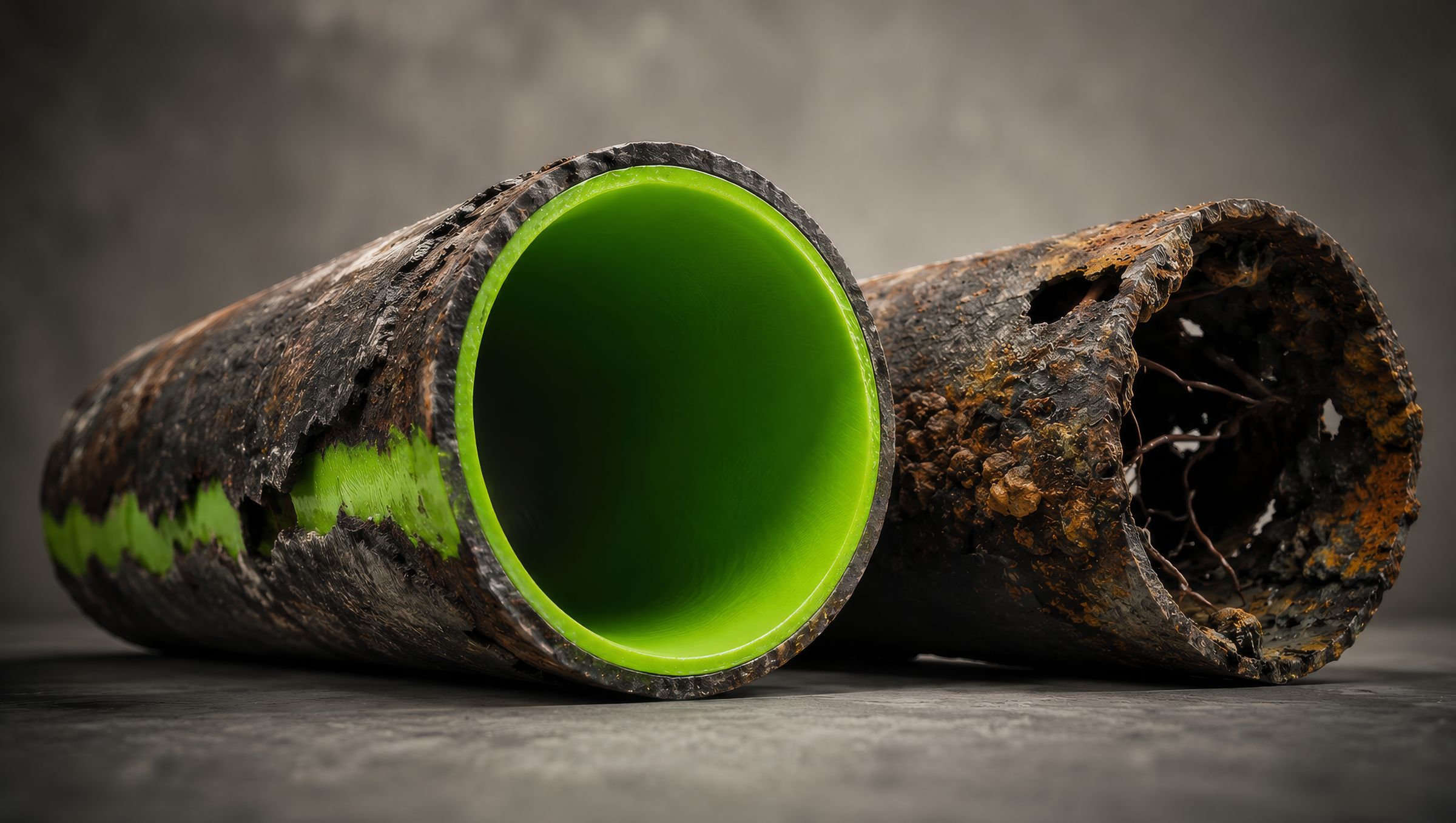

Storm drains fail quietly until a board meeting turns into an emergency vote. This guide breaks down what an HOA should require in a storm drain maintenance program, what separates a real contractor from a mow-and-blow outfit, and where the maintenance budget actually needs to go in 2026.
Quick Take
Storm drain maintenance for HOA communities comes down to three legs: condition assessment, cleaning, and a rehabilitation trigger before a pipe or culvert actually fails. Southeast Services runs CCTV inspection, mechanical cleaning, and stormwater culvert cleaning on HOA and condo properties statewide, staffed by NASSCO certified technicians and an FDEP Qualified Stormwater Management Inspector (QSMI No. 38567). For a board choosing between a flat-fee cleanout contract and a documented inspection-first program, the inspection-first approach is the Buy. A cleanout contract with no camera verification is the Skip.
Why This Matters
HOA boards carry the same drainage liability as a municipality, with a fraction of the staff and budget. Florida's rainy season runs roughly June 1 through November 30, and a clogged catch basin or a collapsing culvert during that window turns into flooded common areas, cracked pavement, and a board explaining a special assessment at the next annual meeting.
Since 2005, Southeast Services has worked stormwater and sanitary sewer infrastructure across Florida, building 10M+ feet of pipe experience on commercial, municipal, and HOA properties. Communities that treat storm drain maintenance as a once-a-year mow-around chore instead of an infrastructure program are the ones writing checks in 2027 for damage that a 2026 inspection would have caught. For the cleaning scope specific to association-owned pipe, see hydro jetting for HOA communities.
Who This Guide Is For
This is written for HOA board members, community association managers, and property managers responsible for common-area drainage: catch basins, culverts, retention ponds, and the pipe connecting them. If the community was built before 2000, sits on sandy soil, or has a high water table, this applies directly to your 2026 capital plan.
What to Look for in Storm Drain Maintenance for HOA Communities
Nassco Certified Camera Inspection Before Any Contract
A vendor should document pipe and culvert condition on camera before quoting a scope. Without inspection footage, a bid is a guess dressed up as a number, and boards end up paying twice: once for the guess, once for the real fix.
A Cleaning Method Matched to the Pipe, Not a Default
High-pressure jetting, mechanical cutting, and vacuum removal solve different problems. A vendor that runs the same method on every job regardless of what the camera shows is optimizing for their schedule, not your drainage system.
A Documented Condition Report, Not a Verbal Estimate
Boards need a written report tying defects to specific catch basins and culvert segments, with footage and photos. A verbal "looks okay" from a crew lead is not a record, and it will not hold up if the same pipe floods a unit six months later.
Ms4 & Stormwater Compliance Awareness
Many HOA-maintained systems tie into municipal MS4 (Municipal Separate Storm Sewer System) permits. A contractor who understands MS4 and MSGP obligations flags problems the board actually needs to know about, not just the ones that are cheap to fix.
A Contractor Licensed for Both Sanitary Sewer & Stormwater Work
Stormwater and sanitary systems on the same property often share trenches, easements, and failure points. A contractor licensed across both, not just one, catches cross-connections and shared defects a single-trade vendor misses.
Emergency Response Capacity Ahead of Hurricane Season
A maintenance contract is only half the picture. Confirm the vendor can mobilize for storm response before June 1, not after the first named storm of the 2026 season already flooded the parking lot.
Top Storm Drain Maintenance Services Worth Budgeting For
Camera Inspection & GIS Mapping (the diagnostic pick) NASSCO certified technicians log every defect by class and footage, then plot it to a GIS map tied to the property's own catch basins and culvert runs. This is the baseline every other decision gets built on. Verdict: Buy.
Hydro Jetting & Mechanical Cleaning (the workhorse pick) High-pressure water clears sediment, sand, and root intrusion without cutting pavement or disturbing landscaping. A 24-inch culvert running at half its cross-section moves roughly half the water during a storm event, and sediment is the usual cause. See hydro jetting for HOA communities for the scope breakdown. Verdict: Buy.
Stormwater Culvert Cleaning (the debris pick) Culverts collect leaf litter, sand, and storm debris after every named weather event, and they are the piece most cleanout-only contracts skip entirely. Full detail is at stormwater culvert cleaning for Florida properties. Verdict: Buy.
Commercial-Grade Cleaning Programs on a Fixed Rotation (the routine pick) Contracts scoped by linear footage and catch basin count, not a flat annual fee, keep the vendor accountable to actual condition rather than a calendar date. A commercial example of this scope is documented at commercial pipeline cleaning in Sebastian. Verdict: Consider, depending on how the contract is written.
Emergency Vac Excavation & Storm Response Only (the after-the-fact pick) Hydro-excavation and vac truck work matter for storm response, but as the entire maintenance plan it means the board is only acting after a failure. Verdict: Skip if this is the whole program, Buy as a backup capability behind a real maintenance schedule.
Cured-in-place pipe (CIPP) lining, including UV-CIPP for storm assets, is worth a line item too. It repairs a cracked or root-damaged culvert without digging up the road or landscaping above it, which matters for HOAs that cannot afford to close an access road for a week.
What to Avoid in HOA Storm Drain Contracts
- Flat-fee cleanout contracts with no camera verification. The board has no proof the work happened past what the crew tells the property manager.
- Vendors with no stormwater-specific licensing or certification. A general landscaping or excavation license is not the same as a contractor licensed for sanitary sewer and stormwater work.
- Waiting for a named storm to test the system. If the first real stress test on a culvert happens during a hurricane in 2026, the failure mode is now a flooded unit, not a line item.
Storm Drain Maintenance Comparison for HOA Boards
| Approach | Inspection Included | Documented Report | Best For | Verdict |
|---|---|---|---|---|
| Camera Inspection &Amp; GIS Mapping | Yes | Yes | Baseline Condition Data | Buy |
| Hydro Jetting &Amp; Mechanical Cleaning | Optional | Sometimes | Routine Maintenance | Buy |
| Stormwater Culvert Cleaning | No | No | Post-storm Debris Removal | Buy |
| Fixed-Rotation Commercial Program | Yes | Yes | Ongoing Accountability | Consider |
| Flat-Fee Cleanout Contract | No | No | Nothing Defensible | Skip |
| Emergency Vac Excavation Only | No | No | Crisis Response, Not Maintenance | Skip |
Frequently Asked Questions
How Often Should an Hoa Clean Storm Drains? Most Florida HOA properties need catch basin and culvert cleaning at least once a year, with a camera check before and after hurricane season. Properties with heavy tree canopy or sandy soil often need it twice a year to stay ahead of sediment buildup.
What Does Storm Drain Maintenance Cost for an Hoa Community? Cost depends on linear footage, pipe material, and how many catch basins and culverts the property has. Get a documented camera inspection before comparing vendor quotes so every bid is priced against the same scope.
Is Camera Inspection Necessary Before Cleaning Storm Drains? Yes. Cleaning without inspection means the board is paying for labor with no record of what was actually wrong, and no baseline to compare against next year's report.
What Is Ms4 Compliance & Does It Apply to Hoa Communities? MS4 is the Municipal Separate Storm Sewer System permit program that governs stormwater discharge. HOA drainage systems tied into a municipal system often fall under the same obligations, which is why a contractor who understands MS4 and MSGP matters.
Can Storm Drain Pipe Be Rehabilitated Without Digging? Yes. Cured-in-place pipe (CIPP) lining, including UV-CIPP for storm assets, repairs cracked or root-damaged culverts from the inside without excavating the road or landscaping above.
What Happens If an Hoa Ignores Storm Drain Maintenance? Sediment and debris buildup reduces pipe capacity, which means normal rain events start backing up and flooding common areas. Left long enough, a neglected culvert collapses, turning a maintenance line item into an emergency repair and a special assessment.
Who Is Licensed to Inspect Stormwater Systems in Florida? A contractor with NASSCO certified technicians and, ideally, an FDEP Qualified Stormwater Management Inspector on staff. Southeast Services has both, including a QSMI credential (No. 38567).
How Do I Know If My Community's Culverts Need Cleaning? Standing water in the swale after normal rain, slow drainage at catch basins, or visible sediment at the culvert mouth are the clearest signs. A camera inspection confirms the extent before any cleaning contract gets signed.
One Last Thing
Most residential-grade cleaning contracts stop at the catch basin grate. The culvert pipe running under the road, connecting one basin to the next, often goes untouched for years because nobody on the crew is looking at it on camera. That is usually where the real problem sits, and it is the piece a board should ask about by name before signing anything for the 2026 season.