No-dig sewer rehabilitation for occupied hospitals uses cured-in-place pipe (CIPP) lining, sectional point repair, and small-diameter in-building pipe rehabilitation to address suitable defects with less surface disruption than open-cut replacement. The method starts with documented pipe condition and an operating plan approved by the facility, not a promise that every line can be repaired without excavation or service interruption.
- No-dig sewer rehabilitation for occupied hospitals starts with documented pipe condition and facility coordination.
- CIPP lining selection depends on pipe condition, access, resin requirements, and service constraints.
- Bypass planning and infection-control review belong in the scope before work begins.
- Southeast Services provides NASSCO certified condition assessment and trenchless rehabilitation for institutional clients across Florida.
Planning No-Dig Sewer Rehabilitation for Occupied Hospitals
An occupied hospital needs a repair scope that accounts for patient care, staff access, wastewater service, and infection-sensitive areas. Pipe location matters as much as defect type. A line beneath an occupied corridor presents different access and containment requirements from a campus sewer reached through exterior structures.
The Centers for Disease Control and Prevention (CDC), in its 2003 Guidelines for Environmental Infection Control in Health-Care Facilities, recommends multidisciplinary infection-control risk assessment and dust-control measures during repair and construction. That guidance supports early coordination with the hospital's infection prevention and facilities teams. It is not an endorsement of a particular lining system or a guarantee that clinical operations can continue unchanged.
A condition assessment provides the evidence for choosing between lining, point repair, and replacement. The inspection should establish what is damaged, where it is located, and which service areas depend on that line. A proposed repair can then be evaluated against the hospital's operating restrictions rather than selected from a generic method ranking.
This guide addresses facilities, procurement, and infection prevention teams at occupied hospitals across Florida. Its scope is sewer infrastructure rehabilitation, not general plumbing maintenance.
What the Condition Assessment Must Establish
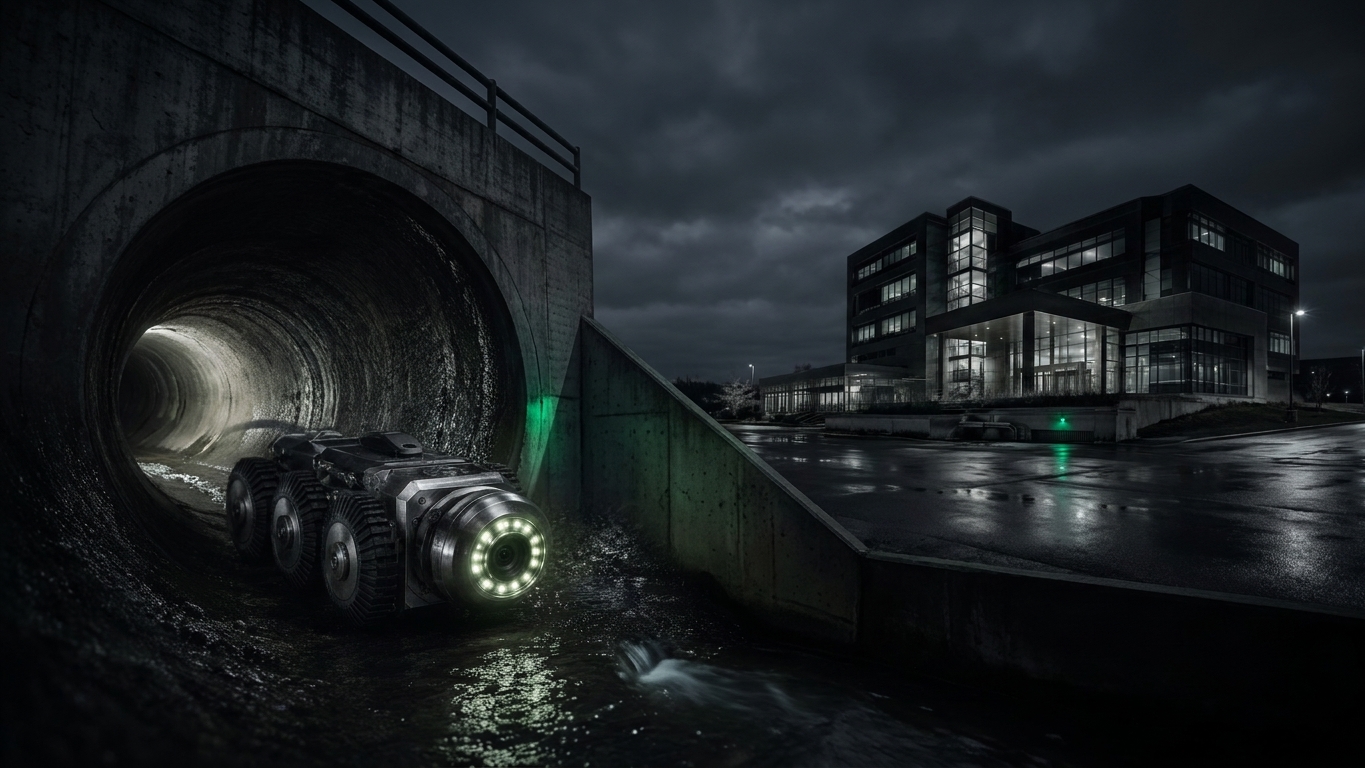
CCTV Pipeline Inspection should identify the pipe material, route, accessible structures, connections, and documented defects. Cleaning requirements must be defined so deposits do not obscure the inspection. Where records and field conditions differ, the discrepancy belongs in the assessment rather than being left for the installation crew to discover.
Southeast Services uses NASSCO certified condition assessment technicians. For in-building assessment, the Rehabilitation Readiness Report (R3) is a proprietary standardized pipeline condition assessment that documents everything needed to price a rehabilitation accurately. R3 assessments are performed by a nationally certified Building Sewer & Drain Inspector following NASSCO BSDI standards.
The hospital scope should distinguish the repair itself from the work needed to make that repair possible. Access creation, cleaning, temporary wastewater service, containment, connection reinstatement, and verification should be identified where applicable. These items affect the operating plan even when the pipe repair requires little surface excavation.
A decision-ready assessment should include:
- The asset and defect locations covered by the proposed repair.
- Inspection findings supporting the selected method.
- Known access restrictions and connections requiring coordination.
- Preparation requirements and conditions that could change the scope.
- The documentation required to verify the completed rehabilitation.
The assessment must identify sections unsuitable for the selected system. Unresolved access or alignment problems belong in the proposal before installation is priced.
Service Continuity & Infection-Control Coordination
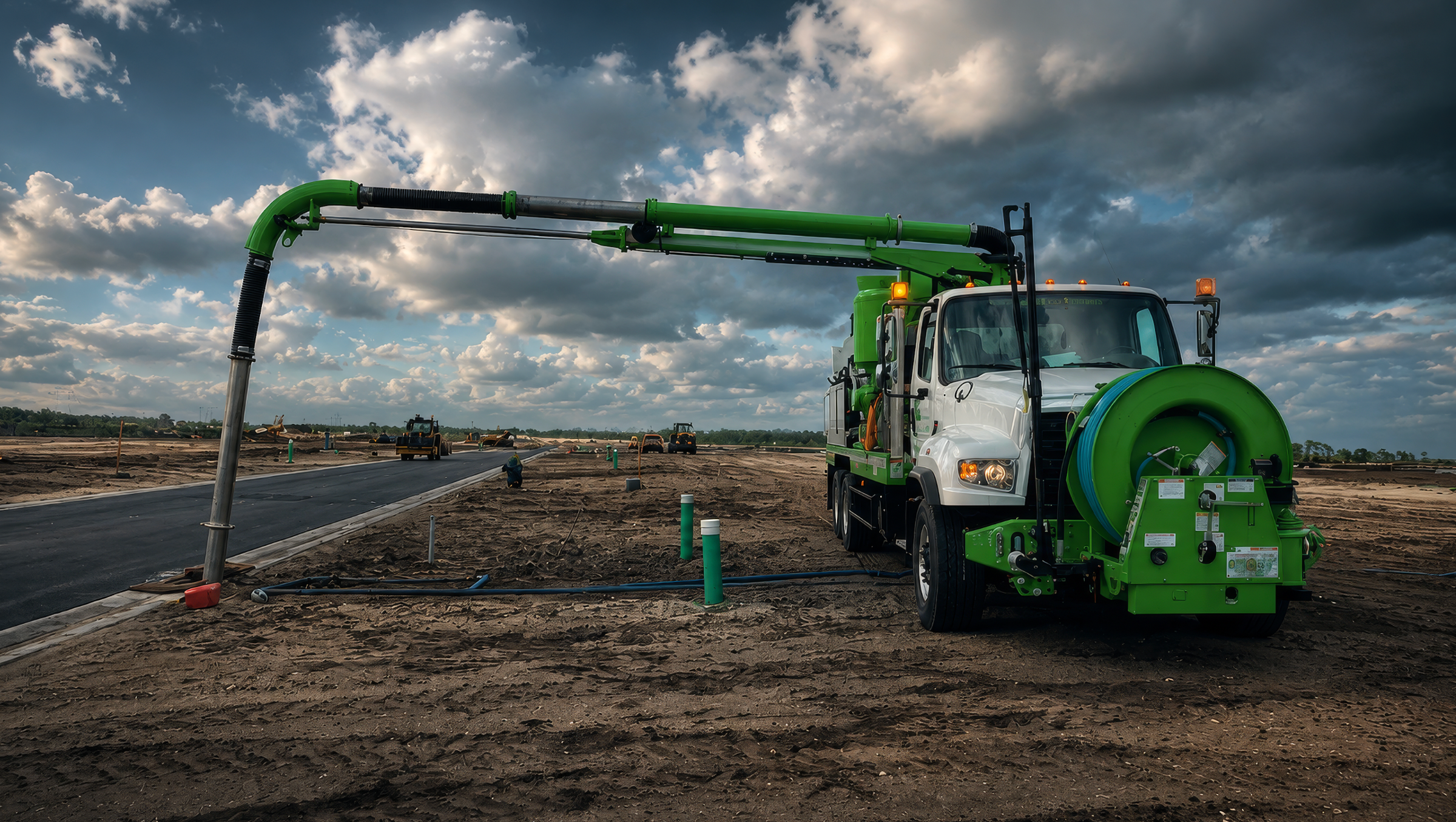
Bypass pumping or temporary service arrangements can support wastewater continuity while a pipe section is taken out of service. They are not automatic features of every project. The proposal should identify the affected connections, the temporary arrangement, the planned isolation window, and the facility personnel responsible for authorizing each stage.
Scheduling must cover preparation and restoration, not just curing. Cleaning, inspection, equipment setup, lining, connection reinstatement, and final verification each have access requirements. A short cure cycle alone does not establish how long the affected system will be unavailable.
The hospital's infection-control review should determine the measures appropriate to the work location. Containment, ventilation, access routes, adjacent air intakes, and waste handling should be addressed where relevant. The contractor should provide product information and the proposed work sequence so the facility can review the actual exposure and disruption conditions.
The operating plan should answer these questions before mobilization:
- Which departments and sanitary connections are affected?
- How will temporary service be maintained and monitored?
- What approvals are required before isolation and return to service?
- Where will equipment, materials, and recovered waste travel?
- What is the contingency if access, preparation, or inspection changes the scope?
No-dig work can reduce surface disturbance. It does not eliminate the need for infection prevention review, worker protection, or controlled access. Statements such as no dust, no odor, and no corridor closures should not replace a documented plan for the specific installation.
Compare Hospital Sewer Rehabilitation Methods
The suitable method depends on the inspection findings and the hospital's operating constraints. Southeast Services provides CIPP lining, UV-CIPP, sectional point repair, and small-diameter in-building pipe rehabilitation. No single method is the default for every occupied hospital.
| Method | Best Application | Required Scope Detail | Key Limitation |
|---|---|---|---|
| UV-CIPP Lining | Compatible Sewer and Stormwater Runs | Liner Specification, Access, Curing Requirements, and Resin Controls | Suitability Must Be Established for the Asset and Selected System |
| Thermally Cured CIPP Lining | Compatible Runs Suited to the Proposed Thermal System | Cure Procedure, Service Isolation, and Handling Controls | Operating Requirements Depend on the Resin and Installation Conditions |
| Sectional Point Repair | Isolated Defects in an Otherwise Suitable Run | Defect Limits, Surrounding Pipe Condition, and Verification | Does Not Address Deterioration Beyond the Repaired Section |
| Small-diameter In-building Pipe Rehabilitation | Suitable Building Sanitary Lines | Access, Branch Connections, Preparation, and Reinstatement | Interior Access and Connection Arrangements Can Constrain the Scope |
| Targeted Excavation or Replacement | Sections Unsuitable for the Proposed Trenchless Method | Excavation Limits, Restoration, and Facility Coordination | Introduces Surface Disturbance That Must Be Planned |
CIPP Lining & UV-CIPP
CIPP lining forms a new pipe within the existing host pipe. Selection should account for the asset, liner design, resin system, and installation conditions. UV-CIPP is an available rehabilitation method, not proof that a project will be odor-free or completed within a fixed time.
The proposal should specify the curing procedure and verification requirements. The shutdown schedule must reflect the selected system and complete work sequence, not curing alone.
Sectional Point Repair
Sectional point repair addresses a defined defect rather than automatically lining the entire run. Its suitability depends on the defect and the condition of adjacent pipe. The assessment must show why a localized repair addresses the identified problem and where its coverage ends.
Small-Diameter In-Building Pipe Rehabilitation
Small-diameter in-building pipe rehabilitation addresses suitable sanitary lines within or beneath occupied buildings. The scope must account for branch connections and access limitations. Hospital coordination remains necessary even when the pipe can be rehabilitated in place without opening the full route above it.
What a Defensible Hospital Proposal Includes
Comparable proposals should describe the same inspected assets and operating assumptions. A price without defined preparation, access, and temporary service requirements leaves the hospital comparing different scopes. The contractor should identify exclusions and the conditions that would require further investigation or a revised repair approach.
The proposal should name the selected system rather than describe every resin or coating as interchangeable. A coating should not be represented as a structural repair unless the specified system and design support that application. Material selection belongs with the documented condition assessment and project requirements.
Licensing and credentials should be checked against the work proposed. Southeast Services' approved license numbers are CFC1429186, CUC1223872 & CGC1525265. NASSCO certification supports inspection practice. It does not replace contractor licensing, facility authorization, or project-specific technical review.
Southeast Services brings 10M+ feet of pipe experience, 20+ years in business since 2005, and 200+ years of combined team expertise. The team serves institutional clients statewide.
Completion requirements should be stated before work begins. Inspection records, applicable cure documentation, connection checks, and return-to-service authorization should be included where required by the scope. The hospital needs evidence of what was completed, not simply notice that the crew has left the site.
Frequently Asked Questions
What Is No-Dig Sewer Rehabilitation for Occupied Hospitals?
No-dig sewer rehabilitation repairs suitable hospital sewer defects from inside the existing pipe using lining or localized rehabilitation methods. It can reduce surface excavation, but access, temporary wastewater service, infection-control review, and return-to-service requirements must still be established for the specific asset and occupied facility.
Is UV-CIPP Always the Best Choice for Hospitals?
No. UV-CIPP must be matched to the pipe, liner system, access conditions, and hospital operating requirements. The assessment determines whether it is suitable. A proposal should document resin handling, curing, connection reinstatement, and verification rather than promise that UV curing eliminates odor or guarantees a fixed shutdown window.
Can a Hospital Stay Open During Sewer Rehabilitation?
Continued hospital operation depends on the affected service areas and the approved work plan. Bypass pumping or temporary arrangements can support continuity where feasible. The facility must review isolation windows, access, containment, and contingency measures before deciding which departments can remain in operation during the proposed rehabilitation.
What Inspection Is Needed Before Hospital Sewer Rehabilitation?
A documented condition assessment is needed before the repair method and scope are selected. CCTV Pipeline Inspection identifies relevant pipe conditions and defects. For in-building work, Southeast Services' R3 assessment is performed by a nationally certified Building Sewer & Drain Inspector following NASSCO BSDI standards and supports accurate rehabilitation pricing.
When Is Excavation Still Required?
Excavation may be required when the inspected condition or available access makes the proposed trenchless repair unsuitable. The determination must follow assessment of the actual asset. A hospital proposal should identify the affected section, explain the repair limitation, and define excavation, restoration, and operating controls before work is authorized.
Define the Repair Before Authorizing the Work
The defensible starting point is a documented assessment and a facility-approved operating plan. Diagnosis and rehabilitation of hospital sewer infrastructure require a licensed, certified contractor. These are not do-it-yourself repairs, and method selection should not be made from a cure-time comparison alone.
Southeast Services of the Treasure Coast, Inc. is a Florida-licensed contractor headquartered in Vero Beach and serving clients statewide.
“Done Right. On Time. On Budget.”
Request a Rehabilitation Readiness Assessment
Southeast Services of the Treasure Coast, Inc. 815 10th Court SW, Vero Beach, FL 32962. Phone (772) 226-7416. Toll-free 888-808-CIPP (2477). Email solutions@southeastservices.com. Licenses CFC1429186, CUC1223872 & CGC1525265. Discuss condition assessment and rehabilitation planning for an occupied hospital in Florida.