Property managers overseeing multifamily, hospitality, and corporate buildings with cast iron drain and waste lines face a rehabilitation decision most facility budgets are not built for. This guide breaks down how to evaluate trenchless cast iron pipe rehabilitation for property managers, what separates a defensible scope from a guess, and which method fits which failure pattern.
Why This Matters
Cast iron drain and waste lines installed in Florida buildings from the 1950s through the 1970s are now 50 to 75 years past install. Corrosion from sulfuric acid buildup in cast iron is a documented failure mode, and once scaling reduces internal diameter, backups accelerate regardless of cleaning frequency.
For a property manager, the cost of guessing wrong is not just a repair bill. It is tenant displacement, insurance claims, and in condominium buildings, a line item that shows up wrong in a Structural Integrity Reserve Study (SIRS). Florida's SIRS requirements, tied to Florida Statutes Chapter 718 reserve reporting, now push boards and managers to document plumbing system condition years before failure, not after.
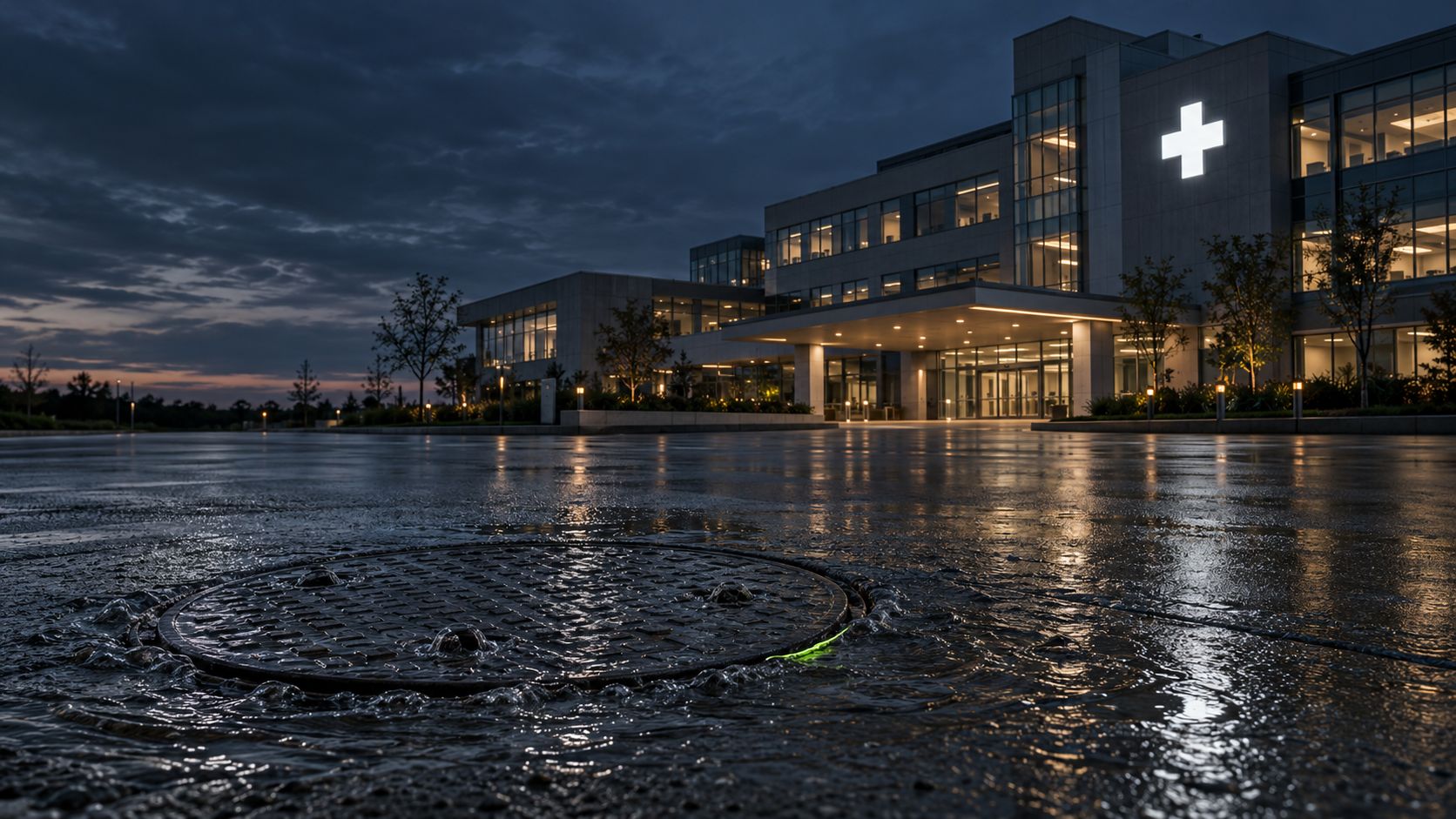
The FDEP tracks sanitary sewer overflow (SSO) incidents statewide, and aging collection infrastructure is a recurring contributor in that data. Cast iron rehabilitation inside a building connects directly to that same infrastructure risk once a lateral or in-building line fails and discharges.
Who This Is For
This guide is built for property managers, facility directors, and HOA or condo association boards responsible for occupied buildings where cast iron drain, waste, or vent lines have not been rehabilitated since original construction. If your building was permitted before 1980 and no one on staff has a CCTV inspection report less than 5 years old, this applies to you directly.
What to Look for in Trenchless Cast Iron Pipe Rehabilitation for Property Managers
Occupied-Building Scheduling & Downtime Control
A rehabilitation scope that requires vacating units or shutting down a wing for days is the wrong scope for an occupied property. Trenchless methods exist specifically to avoid demolition, but not every trenchless method is equally fast. Ask for a written schedule tied to unit count before signing, not after.
NASSCO-Certified Condition Assessment Before Any Scope
A scope built without a CCTV inspection is a guess with a price tag. NASSCO-certified inspection documents pipe material, joint condition, offset, and scaling before a single dollar gets committed to a repair method. This is the step that turns a proposal into a defensible budget line.
Structural Liner Standards Under ASTM F1216
CIPP liners installed to ASTM F1216 standards carry documented structural and material performance requirements. A property manager does not need to be an engineer to ask one question: does the proposed liner meet ASTM F1216, and is that stated in writing in the scope. If the answer is vague, the liner is not standard grade.
Small-Diameter In-Building Line Capability
Many in-building cast iron lines run 2 to 4 inches in diameter through walls, slabs, and tight risers where full excavation is not an option regardless of budget. A contractor that only handles large-diameter mainline CIPP cannot execute small-diameter in-building rehabilitation. Confirm the equipment and crew have done small-diameter work specifically, not just larger sewer mains.
Documentation for Insurance, Litigation & Reserve Reporting
Condominium boards need plumbing condition data for SIRS reserve line items. Property owners in a sale or acquisition need forensic inspection reports before closing, not after a dispute starts. A rehabilitation contractor that hands over a standardized condition report, not just a verbal summary, protects the property manager's decision on paper.
Licensing Verification
Florida requires separate licensing for underground utility work, plumbing work, and general contracting, and a contractor performing full-lifecycle rehabilitation work should hold all three. Ask for license numbers in writing before the assessment, not after the invoice.
Top Picks for Cast Iron Rehabilitation Methods
Full Cured-In-Place Pipe (CIPP) Lining: the Full-System Fix
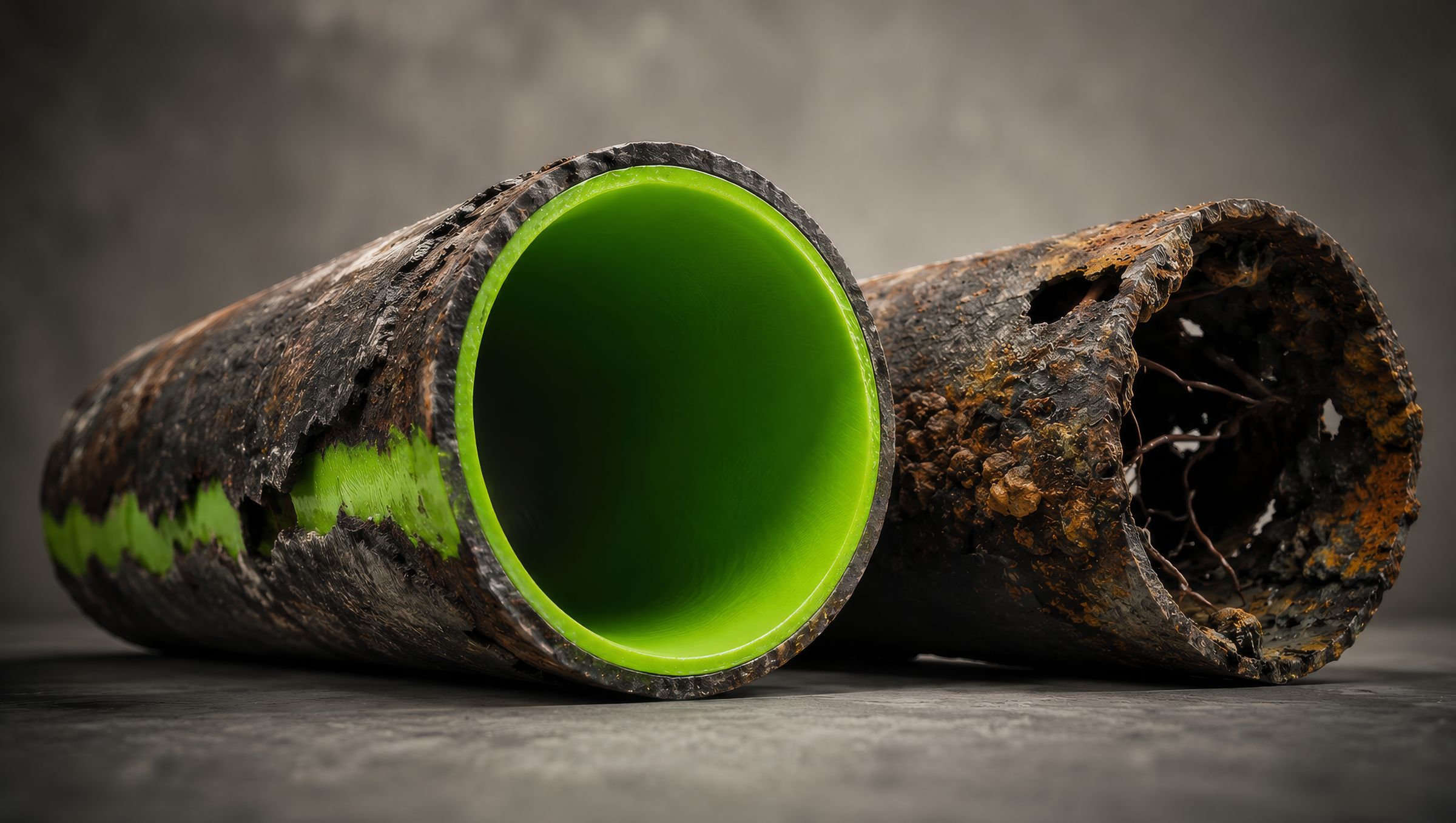
Full CIPP lining replaces the interior surface of an existing cast iron line with a resin-saturated liner cured in place, avoiding demolition entirely. It is the standard method for widespread corrosion across an entire stack or lateral run rather than a single failure point. Cure method varies by system: steam-cured liners typically cure in 4 to 8 hours, a schedule most occupied buildings can absorb overnight. Verdict: Buy for buildings with documented corrosion across multiple joints or a full stack run.
UV-CIPP: the Fast-Cure Pick
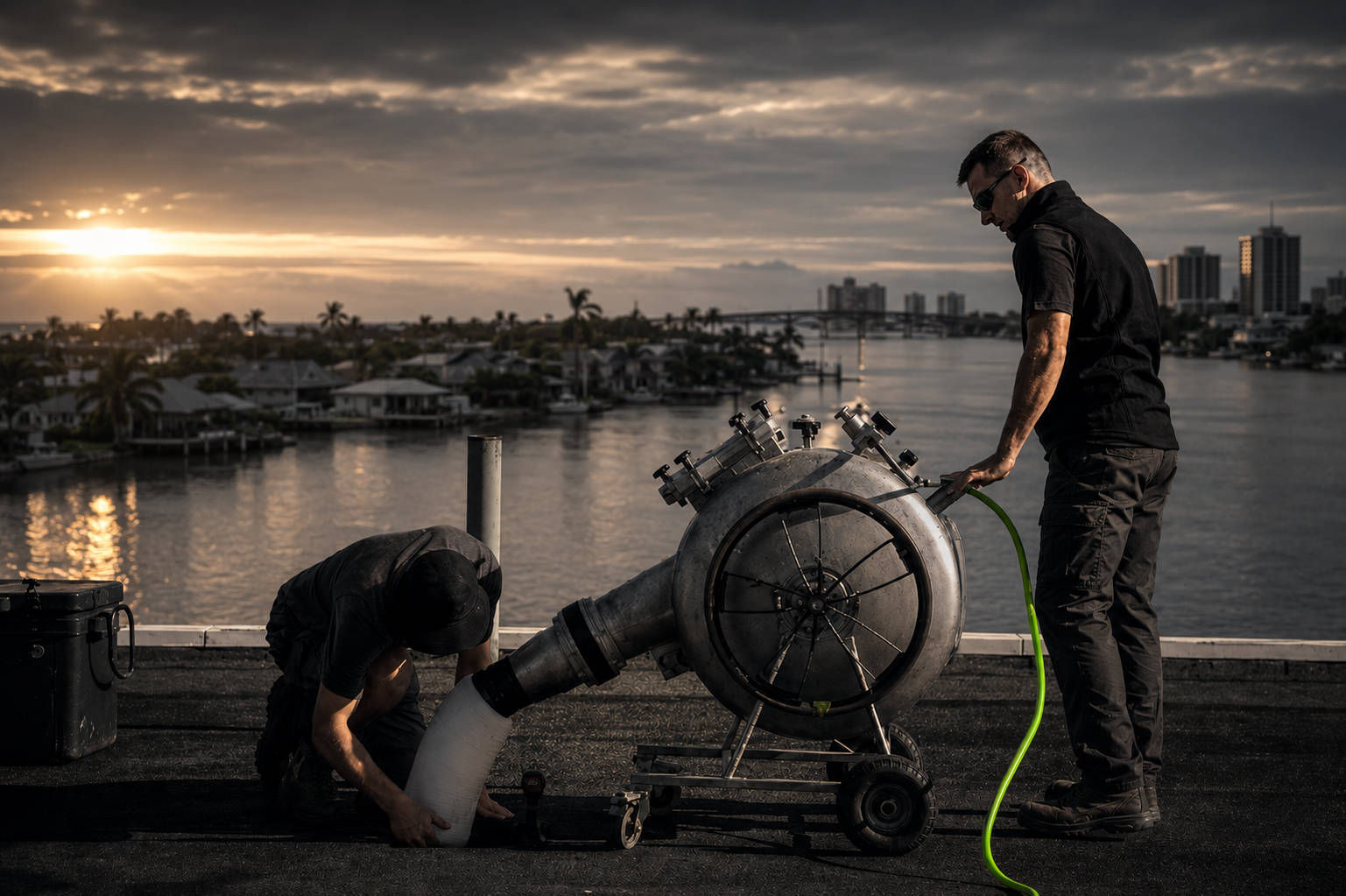
UV-cured liners use ultraviolet light rather than steam or ambient cure, cutting cure time to under 2 hours in many applications. For a hospitality property or medical facility where every hour of line downtime affects operations, this is the differentiator worth asking about directly. Verdict: Buy when schedule compression matters more than marginal cost difference.
Sectional Point Repair: the Targeted Fix
Sectional point repair addresses a single failure point, typically under 10 feet, without lining the entire run. It is the right call when a CCTV inspection shows one localized break or offset joint and the rest of the line tests structurally sound. Applying it to a line with scaling throughout is a mistake that shows up again within 18 to 24 months. Verdict: Consider for isolated damage only, confirmed by inspection footage, not guesswork.
Small-Diameter In-Building Pipe Rehabilitation: the Tight-Space Specialist
This method targets the 2 to 4 inch branch lines running through walls, ceilings, and risers inside a building, the lines a mainline contractor typically cannot reach. Property managers with garden-style multifamily or mid-rise condo buildings run into this constantly, since branch line failure inside a unit is more disruptive than a mainline issue outside. Verdict: Buy when inspection shows branch line deterioration behind walls, since the alternative is opening drywall.
Forensic Inspection Before Rehab: the Pre-Purchase Safeguard
Forensic inspection documents pipe condition for legal, insurance, or acquisition purposes, distinct from a routine maintenance CCTV run. A property manager acquiring a building or facing a tenant dispute needs this report before committing to any repair scope, since it becomes the record everyone references later. Verdict: Buy ahead of any property transaction or active liability question, skip it for routine annual maintenance where a standard inspection suffices.
What to Avoid
- Point repair sold as a full fix. A contractor quoting sectional point repair without showing you the CCTV footage proving isolated damage is selling you a callback in 2 years.
- CIPP quotes without a documented condition report. If the proposal does not reference specific footage, joint counts, or scaling measurements, the price has no basis you can defend to a board or ownership group.
- Cleaning skipped before lining. CIPP liners require a properly descaled, root-free pipe wall to bond correctly. A contractor that skips mechanical cleaning and jetting before lining is setting up liner failure, and pre-rehabilitation cleaning of commercial lines is its own documented step, not an afterthought, as covered in pipeline cleaning for Sebastian FL commercial properties.
Verdict Comparison Table
| Method | Best Use Case | Occupied-Building Impact | Verdict |
|---|---|---|---|
| Full CIPP Lining | Widespread Corrosion, Full Stack | Low, Steam Cure Overnight | Buy |
| UV-CIPP | Schedule-sensitive Occupied Facilities | Very Low, Cure Under 2 Hours | Buy |
| Sectional Point Repair | Single Confirmed Failure Point | Minimal, Localized Access Only | Consider |
| Small-Diameter In-Building Rehab | Branch Lines Behind Walls | Low, No Drywall Demolition | Buy |
| Forensic Inspection | Pre-transaction or Dispute Documentation | None, Inspection Only | Buy |