A restaurant sewer backup shuts the kitchen down mid service, brings in a health inspector, and costs more than a year of scheduled line cleaning. This guide lays out the maintenance sequence that keeps sanitary sewer lines clear in Florida restaurants through 2026 and beyond.
- Prevent sanitary sewer backups in restaurants with a fixed 60 to 90 day hydro jetting schedule, not reactive calls.
- CCTV inspection before jetting catches root intrusion and pipe scaling that jetting alone will not clear. Inspect first.
- EPA data first published in 2004 links fats, oils, and grease to 47% of national sanitary sewer overflows.
- A Rehabilitation Readiness Report documents pipe condition before a backup forces an emergency repair budget.
Why Restaurant Backups Cost more than a Cleaning Bill
A commercial kitchen line clogs faster than almost any other sanitary sewer connection on a property. Grease, breading, coffee grounds, and wash down solids move through the same 4 inch to 6 inch line every service, and scale builds on the pipe wall long before a slow drain shows up at a floor sink.
EPA data first published in 2004 attributes 47% of the roughly 400,000 sanitary sewer overflows reported nationally each year to fats, oils, and grease blockages. Florida restaurants operating through hurricane season in 2026 add a second variable, heavy rain events that push already reduced pipe capacity past its limit.
Southeast Services runs hydro jetting for restaurant kitchens across Florida's commercial corridor, and the pattern is consistent. Properties that jet on a calendar avoid the emergency call. Properties that wait for a backup pay for the jetting anyway, plus the closure, plus the reinspection.
What You'll Need before You Build a Prevention Schedule
- A baseline CCTV pipeline inspection of the kitchen's sanitary line, not just the fixture nearest the last complaint
- A hydro jetting contractor rated for commercial grease and solids, not a residential drain service
- A documented cleaning interval written into the maintenance calendar, not left to memory
- A record of every inspection finding, ideally in a standardized report format such as a Rehabilitation Readiness Report (R3)
- 2 to 4 hours of after hours access per jetting visit, scheduled around kitchen close
- A point of contact who signs off on findings and authorizes point repairs when the camera finds a defect
The Steps
1. Get a Baseline CCTV Inspection of the Kitchen Line
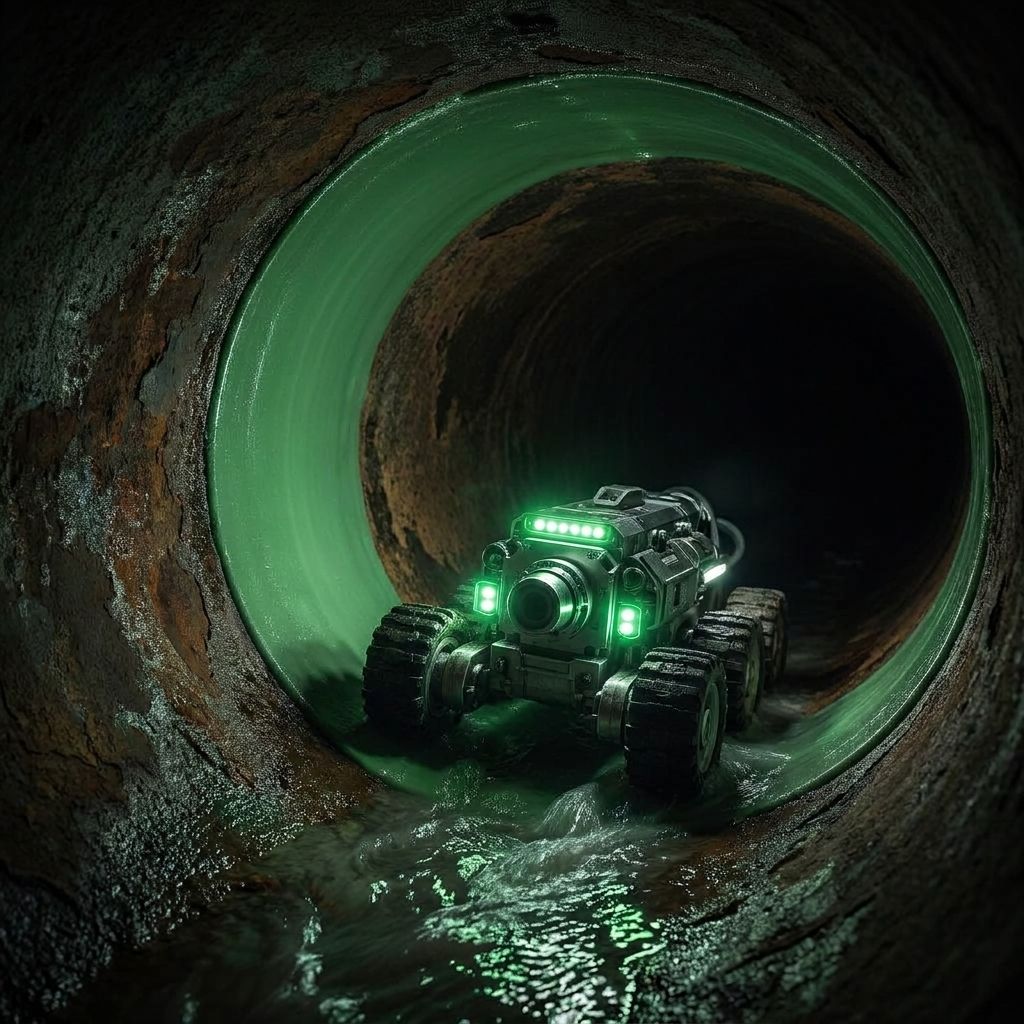
Run a CCTV pipeline inspection before scheduling the first jetting visit. The camera shows what is actually inside the line, grease shelving on the pipe crown, root intrusion at a joint, offset pipe from ground settlement, or a bellied section holding standing water between services.
Skipping this step means jetting blind. A crew that never sees the line has no way to flag a structural defect a hydraulic clean will not fix. Expect the inspection to take 1 to 2 hours for a typical kitchen lateral running 50 to 150 feet to the main.
Common mistake: relying on the inspection the plaza's original plumber did at construction. Pipe condition changes over years of grease exposure. A line inspected a decade ago tells you nothing about scale buildup in 2026.
2. Set a Fixed Hydro Jetting Interval, Not an As-Needed One
High-pressure jetting at 2,000 to 4,000 psi clears the grease and solids buildup the camera identified. Full service kitchens with fryers and grills need this every 60 to 90 days. Quick service concepts with lighter grease loads can often stretch to 120 days.
The interval matters more than the pressure. A kitchen that jets once a year after a slow drain complaint is cleaning a line that has already scaled down to half its working diameter. A kitchen on a 60 day schedule never lets buildup reach that point.
Expected outcome: consistent flow velocity and a documented service history that supports insurance and lease compliance. Common mistake: cutting the interval after a quiet quarter. Grease buildup does not pause because the kitchen had a slow month.
3. Track Grease & Solids Buildup between Services
Log what the jetting crew pulls out of the line at every visit. Volume, consistency, and location of buildup tell you whether the interval is working or whether cooking volume has outgrown the current schedule.
A kitchen that added a fryer station or extended hours needs a shorter interval, not the same one from two years ago. Comparing logs across quarters catches that shift before it shows up as a backup.
Common mistake: treating jetting as a one line invoice with no data attached. Ask the contractor for the finding notes every time, not just the invoice.
4. Address Root Intrusion & Pipe Scaling before They Compound
Root intrusion and heavy pipe scaling do not clear with jetting alone. A camera finding either condition calls for mechanical root cutting or descaling ahead of the next scheduled clean, not after the next backup.
Cast iron and clay laterals common in Florida properties built before the 1980s are especially prone to joint separation that lets roots in. Left alone, root intrusion narrows the line year over year until a single grease heavy shift closes it completely.
Expected outcome: a line restored to its original working diameter, confirmed by a follow up camera pass. Common mistake: cutting roots without a diameter check afterward. Roots regrow, and a line without a documented restored diameter has no baseline to measure against.
5. Build a Storm Season & Peak Night Response Protocol
Heavy rain adds hydraulic load to a system already carrying grease and solids. A line running near capacity on a normal Friday has no margin left when several inches of rain hit the collection system during a 2026 storm event.
Write a protocol before hurricane season, who calls the jetting contractor, what triggers an emergency inspection, and which staff member checks floor sinks during a storm watch. Restaurants that wait until water is on the kitchen floor lose the shift and the next day's prep.
Common mistake: treating storm response as the same call as a routine jetting request. Emergency response needs a contractor that already has the property's line history on file.
6. Document Every Finding in a Standardized Condition Report
Every inspection and cleaning visit should produce a written record, not a verbal summary. Southeast Services documents commercial kitchen sanitary sewer lines with a Rehabilitation Readiness Report, or R3, that captures pipe material, diameter, defect location, and severity in one standardized format.
That record does two things. It gives ownership or a management company a defensible history if a backup ever leads to a health department inquiry or a lease dispute. It also prices any future rehabilitation accurately, because the contractor doing the repair already knows what is in the line.
Expected outcome: a property file that answers what the condition of this line is without another inspection. Common mistake: letting each visit's findings live only in a technician's memory or a text message.
7. Rehabilitate Structural Defects before They Become Emergencies
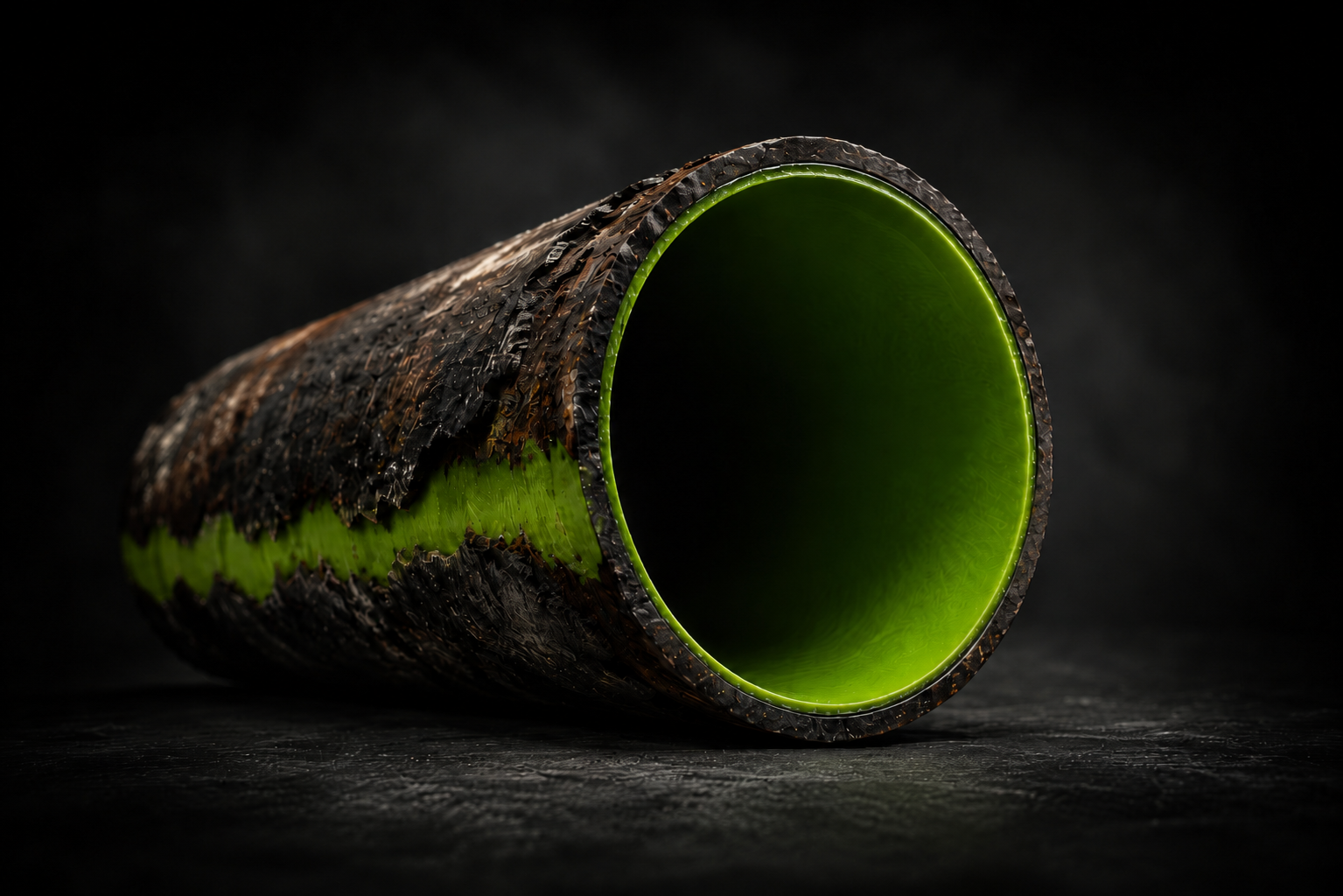
A camera finding of a cracked joint, an offset section, or a collapsing pipe wall needs rehabilitation, not another jetting cycle. Cured-in-place pipe (CIPP) lining, installed per ASTM F1216 standards, restores structural integrity without excavating the kitchen floor or the parking lot above the line.
Sectional point repair handles a single defect location when the rest of the line still tests sound. Full CIPP makes sense when scaling and defects run the length of the lateral.
Expected outcome: a structurally sound line with a documented service life, not a patched line waiting on the next storm. Common mistake: deferring rehabilitation because the line is still flowing. Flow and structural integrity are not the same measurement.
Troubleshooting Common Restaurant Sewer Problems
- Slow drains at multiple fixtures at once: this points to a mainline blockage, not a single clogged trap. A fixture snake will not reach far enough. Schedule hydro jetting on the full lateral, not a spot treatment.
- The same backup recurs every few months: scale is rebuilding faster than the current interval clears it. Shorten the jetting interval and confirm with a follow up camera pass, similar to the sanitary sewer line cleaning and inspection for hospitals standard used for occupied facilities.
- Backups follow heavy rain: this signals infiltration into a system already near capacity, or a cross connection worth confirming with the utility. Flag it for a CCTV inspection before the next named storm.
- Sewage odor with no visible backup: early stage scaling or a venting issue often shows up as smell before it shows up as standing water. A camera pass usually finds the cause before it becomes a shutdown.
- Camera finds roots in the return water: root intrusion at a joint needs mechanical cutting, and the section should get a follow up inspection to confirm diameter is restored.
- Multiple tenants in the same plaza back up together: the shared main, not any single kitchen, is the likely source. That conversation needs the property manager and possibly the municipal utility, not just one tenant's contractor.
Tools & Resources for a Restaurant Sewer Prevention Program
- NASSCO certified CCTV pipeline inspection to establish and update the baseline
- High-pressure hydro jetting on a fixed calendar, not a reactive one
- A standardized condition report format, such as the R3, for every visit
- Mechanical root cutting and descaling for defects jetting alone cannot clear
- CIPP lining per ASTM F1216 for structural rehabilitation once a defect is confirmed
- A local commercial contractor with documented experience, such as SES's commercial pipeline cleaning in Sebastian, FL program
What to Do Next
Once a kitchen line has a documented baseline and a working jetting interval, the next step for a multi building property is a facility wide sanitary sewer condition assessment, not a line by line reaction to each complaint. Plan that assessment into the 2026 capital budget cycle rather than waiting for the next backup to force the conversation.