A sewer camera inspection has no single fixed duration. For a 2026 appointment, the schedule needs to account for access, the pipe length and condition, and the documentation required, not just the time the camera spends inside the line. Preparation or a blocked camera route changes the scope and can require a separate visit.
- A sewer camera inspection schedule must include access, camera work, and documentation.
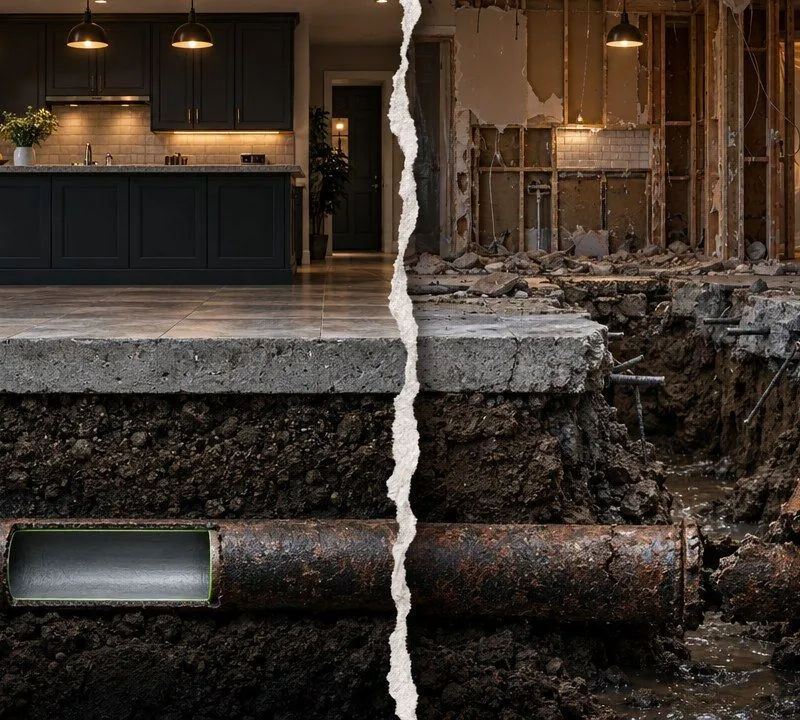
- Cast iron deposits can obstruct the view. Inspection and pipe descaling are different scopes.
- Southeast Services fits homeowners seeking sewer camera inspection before cast iron pipe rehabilitation.
- Confirm the inspection limits and deliverables before accepting an appointment window.
How Long Does a Sewer Camera Inspection Take?
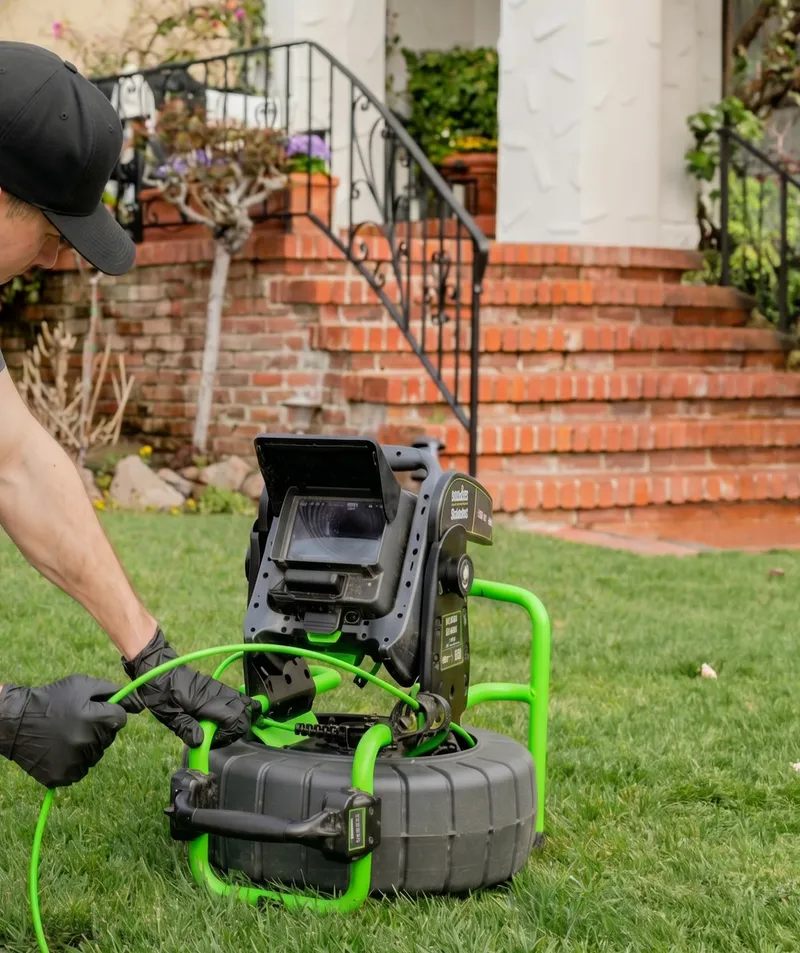
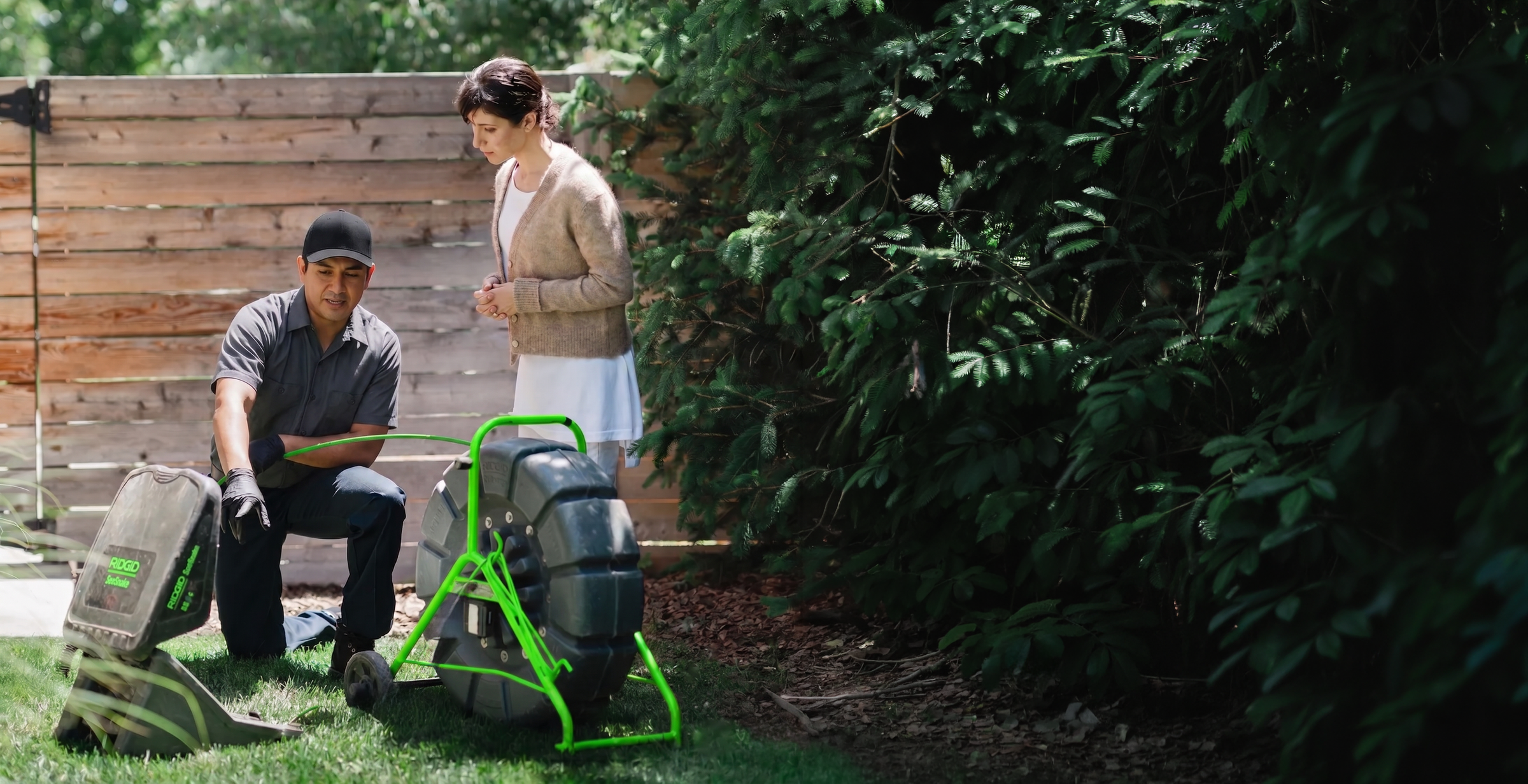
An appointment window is not the same as camera travel time. Your contractor needs to establish where the camera can enter, what section needs inspection, and whether the pipe is accessible enough to produce useful footage.
For an older cast iron system, the inspection should help establish what happens next. A discussion about cast iron repair versus replacement needs evidence of pipe condition, not just confirmation that a camera entered the line.
The work generally follows this sequence:
- Confirm the scope. Identify the line, the concern being investigated, and the intended inspection endpoint.
- Establish access. Confirm a suitable entry point and any access restrictions before introducing equipment.
- Inspect the pipe. Record visible conditions and identify sections that the camera cannot reach or evaluate clearly.
- Explain the findings. Separate observed defects from areas that remain unverified.
- Document the result. Provide the agreed footage, findings, and recommended next steps.
Ask whether the appointment includes all of these activities. A short camera pass and a documented condition assessment are not interchangeable deliverables.
Why the Inspection Scope Matters
The purpose of an inspection is to support a decision. Your concern might involve recurring sewer problems, visible deterioration, or whether cast iron pipe rehabilitation is appropriate.
For a 2026 rehabilitation decision, useful findings should identify what was inspected, what was visible, and what remains unknown. A recording without clear limits leaves room for assumptions when repair proposals arrive.
Judge the inspection by the evidence it produces, not by how quickly the technician finishes. An incomplete view does not establish the condition of the pipe beyond it.
Inspection Alone Versus Inspection With Preparation
Camera inspection observes the pipe interior. Preparation addresses conditions that prevent a useful inspection or interfere with later rehabilitation. They serve different purposes, even when both belong in the same project.
| Scope | Best For | Benefit | Limitation |
|---|---|---|---|
| Sewer Camera Inspection | Homeowners Who Need Visible Condition Evidence | Records the Accessible Pipe Interior | Cannot Evaluate Surfaces Hidden by Deposits or Sections Beyond an Obstruction |
| Inspection with Separately Scoped Pipe Descaling | Cast Iron Systems Where Deposits Interfere with Assessment | Addresses Deposits Before Reassessing Visible Condition | Adds Preparation Work and Requires Condition-based Planning |
| Assessment for Rehabilitation Planning | Homeowners Comparing Repair Approaches | Connects Findings to a Proposed Rehabilitation Scope | Requires More Documentation Than a Camera Pass Alone |
Do not assume preparation is included because an inspection is scheduled. Ask what happens if the camera cannot proceed and whether additional work requires separate authorization.
Why Sewer Camera Inspection Time Varies
The schedule depends on the actual work, not the name of the service. These factors belong in the scheduling conversation:
- Access conditions. An identified, accessible entry point allows a different scope than a line with unresolved access.
- Inspection limits. A defined section is different from a request to investigate multiple branches or an uncertain route.
- Pipe condition. Deposits, roots, and obstructions affect what the camera can reach and what the footage reveals.
- Preparation needs. Cast iron pipe descaling is separate work, not simply extra camera time.
- Documentation requirements. Recorded footage, written findings, and rehabilitation planning require work beyond moving the camera.
Ask the contractor which factors are already known and which will be resolved on site. The answer should explain the appointment window without promising that every pipe condition can be assessed during that visit.
What to Confirm Before Your Appointment
For a 2026 sewer camera inspection, request a defined scope before arranging access to your home. Keep the conversation focused on the inspection boundary and the result you will receive.
Useful questions include:
- Where will the camera enter the system?
- Which pipe section is included?
- Does the appointment include recorded footage and written findings?
- What happens if deposits or an obstruction prevent inspection?
- Is any preparation separately authorized?
- When will the findings be available for review?
Share previous inspection records and known access information if you have them. Do not attempt to open, modify, or repair the system yourself to prepare for the visit.
Does a Longer Inspection Mean the Pipe Is Worse?
A longer inspection does not, by itself, establish worse pipe condition. Access, inspection limits, and documentation also affect the schedule. The findings, not elapsed time, should support the diagnosis.
Can the Inspection & Rehabilitation Happen During the Same Visit?
Do not assume inspection and rehabilitation belong in the same appointment. Cured-in-place pipe (CIPP) lining requires a suitable, assessed scope and preparation. Inspection should establish the basis for that decision rather than serve as automatic approval to proceed.
Frequently Asked Questions
How Long Should I Set Aside for a Sewer Camera Inspection?
Set aside the appointment window confirmed for your specific inspection scope. Ask whether that window includes access, camera work, findings review, and documentation. If preparation becomes necessary, confirm whether it is authorized separately and whether it changes the visit or requires another appointment.
Can a Sewer Camera Inspection See Through Cast Iron Deposits?
A sewer camera inspection cannot establish the condition of a pipe surface hidden behind deposits. The contractor should distinguish visible findings from obscured areas. Cast iron pipe descaling can be a separate preparation step, followed by reassessment before a rehabilitation recommendation is finalized.
What Should a 2026 Sewer Camera Inspection Report Explain?
A 2026 sewer camera inspection report should explain the inspected section, visible conditions, and any limits on the assessment. Ask for the agreed recording and findings. The report should distinguish observed defects from uninspected areas so that a repair proposal does not treat assumptions as confirmed conditions.
One Last Thing
A camera that stops has identified an inspection limit, not necessarily the full repair scope. Ask where it stopped, what prevented further travel, and what professional assessment is needed next.
For a 2026 repair decision, keep diagnosis separate from authorization. Diagnosis and rehabilitation of these systems require a licensed, certified contractor.
Discuss Your Inspection Scope
Southeast Services provides residential assessment and cast iron pipe rehabilitation in Brevard, Indian River, St. Lucie, and Martin counties. Every condition assessment technician is NASSCO certified.
Contact Southeast Services of the Treasure Coast, Inc., 815 10th Court SW, Vero Beach, FL 32962. Phone 772-226-7416. Toll-free 888-808-CIPP (2477). Email residential@southeastservices.com.
License numbers: CFC1429186, CUC1223872 & CGC1525265.