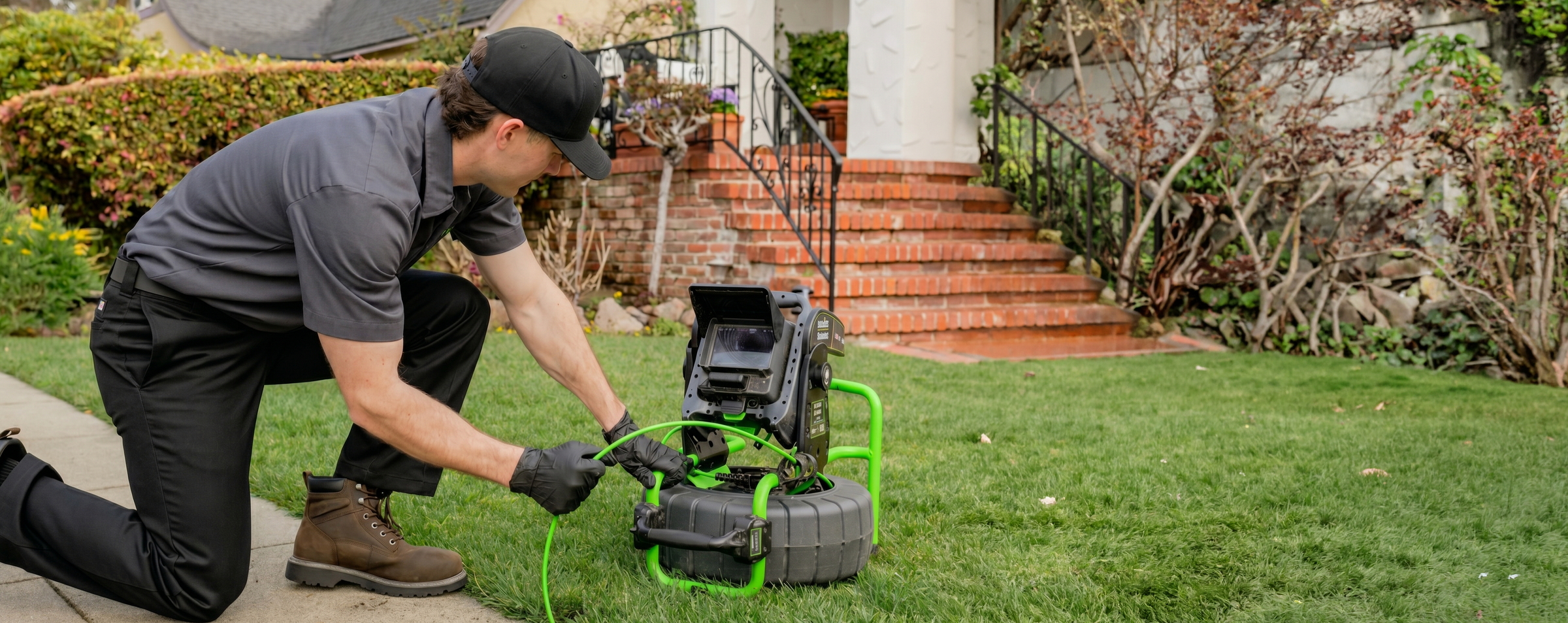
CCTV pipeline inspection for real estate transactions documents the visible condition of sanitary sewer and stormwater lines before closing. For commercial buyers, HOA boards, and institutional owners, the value is a defined inspection scope and a written record of findings, limitations, and rehabilitation needs.
- CCTV pipeline inspection supports real estate due diligence when footage, asset locations, and report limitations are documented.
- Southeast Services provides statewide commercial condition assessment, with NASSCO certified condition assessment technicians.
- The Rehabilitation Readiness Report (R3) documents the information needed to price rehabilitation accurately.
- Inspection findings support scope decisions. They do not guarantee remaining pipe life, legal outcomes, or a purchase price adjustment.
Why CCTV Pipeline Inspection Matters before Closing
Property records describe what was designed or previously reported. They do not establish the current condition of every buried line. A buyer needs a record tied to the assets included in the transaction, not an assurance that the sewer worked during a site visit.
A properly scoped condition assessment records accessible pipe interiors and identifies visible defects. The report should distinguish inspected segments from inaccessible or obscured segments. That distinction gives the buyer, lender, and property team a clearer basis for further investigation and capital planning.
NASSCO's Pipe Condition Assessment Using CCTV Performance Specification Guideline (2020) calls for electronic inspection records, documented observations, and footage measurements. It also addresses cleaning and visibility. These are useful procurement principles for transaction work, not a blanket legal requirement for every property sale.
The inspection scope should define what will be examined and what will remain unknown. Recorded footage does not establish ownership, verify an installation date, or guarantee that a line will not fail after closing.
Define the Assets & Decision before Fieldwork
A commercial inspection should start with the decision the property team needs to make. Acquisition due diligence, association capital planning, and investigation of a recurring defect require different coverage. A generic request to inspect the sewer leaves too much room for different interpretations.
The buyer or owner's representative should provide available drawings, prior inspection reports, repair records, and the transaction deadline. The contractor can then identify access requirements and propose an asset-specific scope. Unknown connections and missing records should be listed rather than filled in by assumption.
The written scope should identify:
- Sanitary sewer and stormwater assets included in the work.
- Building lines, laterals, mains, and structures included or excluded.
- Available access points and permission requirements.
- Cleaning, flow management, and operating restrictions.
- Required footage, reports, location records, and delivery dates.
- The process for authorizing additional investigation.
Shared infrastructure deserves particular attention. An association, utility, and individual property owner can have different responsibilities within the same connected system. Ownership boundaries should be confirmed from governing documents and utility records, not inferred from where the camera travels.
Specify the Inspection & Reporting Requirements
The field plan should match the pipe system and the required decision. Inspection method, coding standard, and deliverables belong in the proposal. Certification does not eliminate access limitations or turn incomplete footage into a complete assessment.
Match the Standard to the Asset
NASSCO's Pipeline Assessment Certification Program (PACP) provides standardized pipeline observation coding. The contractor should identify the applicable standard for the particular assets being assessed rather than applying a generic certification label to every task. Southeast Services' R3 assessments are performed by a nationally certified Building Sewer & Drain Inspector following NASSCO BSDI standards.
Establish Visibility & Access
Deposits, roots, standing water, and obstructions can limit the inspection. NASSCO's 2020 guideline addresses cleaning sufficient to observe defects and the need to document obstructions. Cleaning and any return inspection should be scoped explicitly, with authorization requirements agreed before additional work proceeds.
Connect Observations to Locations
A useful report lets the property team locate each finding in the footage and on the asset record. Segment identifiers, inspection direction, footage measurements, and access locations should be consistent. Uncertain material identification or missing historical information should remain identified as uncertain.
Separate Findings from Recommendations
The report should distinguish what the camera recorded from the contractor's interpretation and proposed next steps. A visible defect, an uninspected reach, and a rehabilitation recommendation are different findings. Combining them into a single pass-or-fail statement hides information the buyer needs.
Match the Scope to the Transaction
The property type determines the operating constraints and the questions that need answers. The table below compares scope priorities. It does not prescribe a universal inspection requirement or imply that any particular asset has a defect.
| Transaction Type | Scope Priority | Planning Requirement | Limitation to Record |
|---|---|---|---|
| HOA or Condominium Common Assets | Identify Shared Lines and Documented Condition | Confirm Association Access and Ownership Boundaries | Unit-owned or Inaccessible Lines Excluded from the Scope |
| Commercial or Multifamily Acquisition | Connect Findings to Buildings and Service Areas | Coordinate Tenant Access and Operating Restrictions | Unmapped Connections and Uninspected Branches |
| Hospitality or Healthcare Acquisition | Assess Agreed Assets Around Occupied Operations | Coordinate Facility-specific Access and Safety Requirements | Areas Unavailable During the Inspection Window |
| Multi-property Portfolio | Use Consistent Asset Identifiers and Reporting | Define a Comparable Scope for Each Property | Differences in Coverage That Prevent Direct Comparison |
A limited initial survey can identify follow-up needs, but it must be described as limited. It should not be presented as proof that every line in a building or community is sound. Broader coverage provides more information only when access, visibility, and reporting quality support it.
Review Existing Footage before Ordering More Work
A seller's inspection can be useful when its coverage and documentation match the buyer's questions. The date alone does not determine whether it is sufficient. Repairs, altered connections, recurring problems, and missing segments can change what needs to be examined.
The review should establish whether the records identify the property, inspected assets, inspection date, direction, and observations. The property team should also confirm that the underlying video is available and that its locations agree with the report. A summary without matching footage leaves the buyer unable to review the original observations.
Common gaps include:
- Footage that cannot be tied to a specific pipe segment.
- A report that omits inaccessible or obstructed sections.
- Inspection of a main line presented as coverage of every branch.
- Recommendations without corresponding observations.
- Previous repairs with no documented follow-up inspection.
Prior work should inform the next scope, not automatically replace it. The contractor should explain whether additional coverage, cleaning, or another assessment method is needed. Transaction counsel and the lender determine whether the available documentation meets their separate requirements.
Use the R3 to Define Rehabilitation Needs
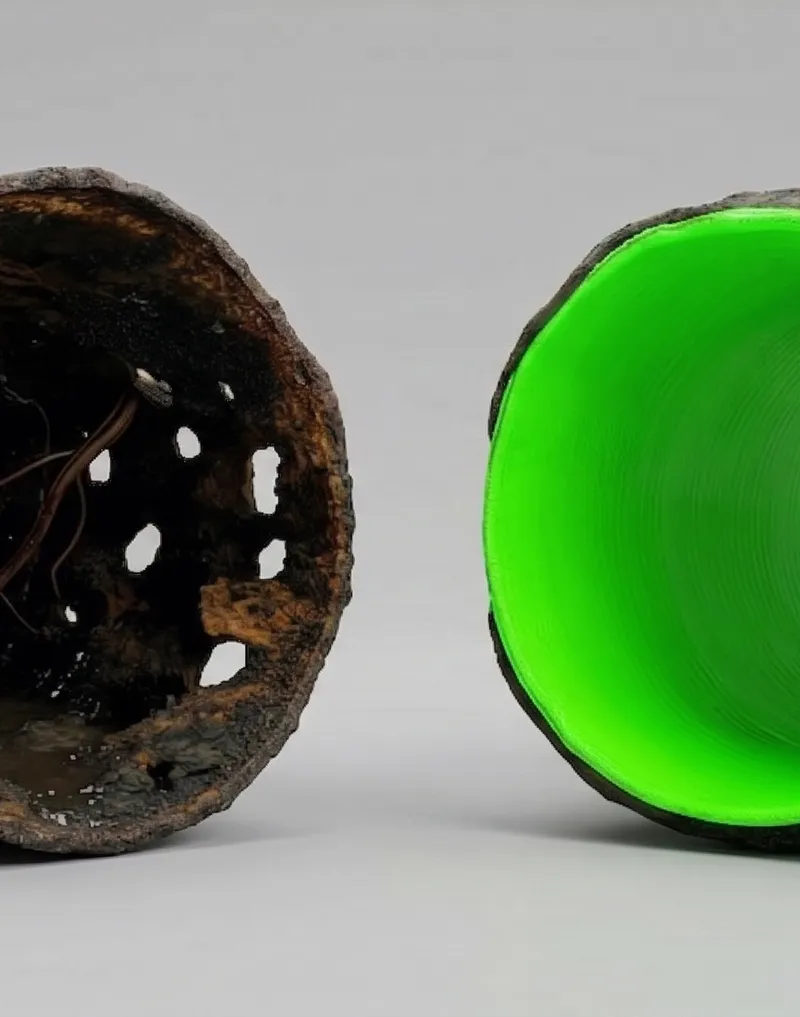
The Rehabilitation Readiness Report (R3) is Southeast Services' proprietary standardized pipeline condition assessment. It documents everything needed to price a rehabilitation accurately. In a property transaction, that gives the project team a defined assessment deliverable to request before rehabilitation proposals are compared.
An R3 is not a promise that footage alone resolves every design question. Access constraints, incomplete coverage, and additional investigation must remain visible in the assessment. The rehabilitation proposal should state its assumptions and exclusions rather than treating uninspected pipe as acceptable pipe.
Where findings support rehabilitation, options can include cured-in-place pipe (CIPP) lining or sectional point repair. Method selection follows the assessed condition and project requirements. Neither lining nor replacement should be prescribed simply because a property contains older pipe.
Southeast Services brings 10M+ feet of pipe experience, 20+ years in business since 2005, and 200+ years of combined team expertise. Every condition assessment technician is NASSCO certified. Those credentials support contractor selection. They do not replace a property-specific scope.
Keep the Due Diligence Deadline in the Scope
The inspection schedule should include access coordination, any preparation, fieldwork, report delivery, and review by the transaction team. The closing date is not the only deadline that matters. The buyer needs time to evaluate findings before the contractual decision deadline.
The contractor should confirm the proposed schedule against the actual assets and access conditions. No standard turnaround should be assumed for every building or portfolio. If the available window cannot accommodate the proposed work, the coverage and remaining uncertainty need to be explicit.
Uninspected pipe is an unresolved scope item, not a clean inspection result. An obstruction or unavailable access point should trigger a documented decision about further work. The report should preserve that limitation even when the rest of the inspection is complete.
“Uninspected pipe is an unresolved scope item, not a clean inspection result.”
Frequently Asked Questions
What Does CCTV Pipeline Inspection Document before a Property Purchase?
CCTV pipeline inspection documents the visible interior condition of the pipe segments included in the scope. The report should connect footage and observations to identifiable assets and disclose incomplete coverage. It supports due diligence, but it does not establish ownership, guarantee remaining service life, or replace separate legal and engineering review.
What Determines the Scope of a Commercial Sewer Inspection?
The assets, access conditions, operating restrictions, and transaction questions determine the scope. A proposal should identify the lines included, preparation requirements, reporting standard, and deliverables. Shared systems and multi-building properties need clear coverage boundaries so inspection of a main line is not mistaken for inspection of every connected branch.
Can a Buyer Rely on the Seller's Existing CCTV Footage?
Existing footage can support the review when it identifies the inspected assets and provides usable observations, locations, and coverage limitations. Its age alone does not establish sufficiency. The buyer's contractor should assess whether changes, repairs, missing segments, or visibility problems require additional work before the transaction team accepts the documentation.
Does an R3 Replace a Rehabilitation Proposal?
An R3 documents the information needed to price rehabilitation accurately. It is an assessment deliverable, not a substitute for the contractor's proposed method, price, exclusions, and schedule. The transaction team should request proposals tied to the documented findings and keep unresolved access or condition questions visible during its review.
Does CCTV Footage Guarantee a Negotiation or Legal Outcome?
No. CCTV footage records observed conditions within the inspection scope, not a guaranteed purchase price adjustment or legal result. Its usefulness depends on the quality, coverage, and context of the documentation. Transaction counsel should evaluate contractual questions and any proposed use of inspection records in a dispute.
Resolve the Unknowns before Committing to Repairs
A transaction-ready inspection makes its limits as clear as its findings. The property team should know which assets were examined, which remain unresolved, and what additional work is needed before a rehabilitation scope can be priced. Diagnosis and rehabilitation of these systems require a licensed, certified contractor.
Southeast Services of the Treasure Coast, Inc. is a Florida-licensed contractor headquartered in Vero Beach and serving clients statewide.
Request a Transaction-Focused Condition Assessment
Southeast Services of the Treasure Coast, Inc. Commercial condition assessment serving clients statewide Florida. 815 10th Court SW, Vero Beach, FL 32962. Phone (772) 226-7416. Toll-free 888-808-CIPP (2477). Email solutions@southeastservices.com. Licenses CFC1429186, CUC1223872 & CGC1525265.