Best for continuous pipe deterioration: cured-in-place pipe (CIPP) lining. Best for an isolated defect: sectional point repair. Best for a collapsed pipe or an alignment problem: excavation and replacement. No dig sewer repair fits when inspection confirms that the existing sewer line can support the proposed rehabilitation.
- No dig sewer repair requires inspection before choosing CIPP lining or sectional point repair.
- CIPP lining treats a defined pipe segment. Sectional point repair addresses a localized defect.
- Lining does not correct a pipe's slope or rebuild a collapsed route.
- Southeast Services provides residential Trenchless Pipe Repair in Brevard, Indian River, St. Lucie, and Martin counties.
Why the Repair Method Matters
A sewer line can have deteriorated walls, damaged joints, deposits, or an alignment problem. Those conditions do not call for the same repair. Choosing a method before documenting the defect puts the scope ahead of the evidence.
For homeowners considering cast iron repair versus replacement, the decision starts with what remains after professional preparation. A camera must show the pipe clearly enough to distinguish surface buildup from damage that requires rehabilitation.
Southeast Services is best for homeowners seeking assessment-led no dig sewer repair within its four-county residential service area. The useful question is not whether trenchless work sounds less disruptive. It is whether the documented pipe condition supports it.
What Makes the Best No Dig Sewer Repair Approach
A defensible 2026 repair proposal should address these criteria before naming a preferred method:
- Pipe condition: Identify deterioration, breaks, displaced joints, and missing or collapsed sections.
- Alignment: Establish whether slope or displacement requires physical correction.
- Access: Explain where equipment enters and whether access openings are necessary.
- Connections: Locate branches and describe how service connections will remain functional.
- Verification: Define the inspection records and acceptance checks delivered after repair.
The best method solves the documented failure without leaving a separate problem untreated. A liner proposal that ignores an alignment defect is incomplete, even if the pipe walls also need rehabilitation.
Repair Methods at a Glance
| Method | Best For | Standout Feature | Key Limitation |
|---|---|---|---|
| CIPP Lining | Deterioration Along a Defined Pipe Segment | Forms a New Lining Inside the Prepared Pipe | Does Not Correct the Existing Route or Slope |
| Sectional Point Repair | A Localized Defect in Otherwise Suitable Pipe | Treats a Selected Damaged Area | Does Not Address Deterioration Beyond Its Limits |
| Excavation and Replacement | Collapse or Alignment Requiring Physical Correction | Provides Direct Access to Replace or Reposition Pipe | Requires Opening the Affected Area and Restoring It |
These are condition-based choices, not interchangeable packages. A repair plan can combine localized excavation with trenchless rehabilitation where different sections require different treatment.
1. CIPP Lining: Best for Continuous Pipe Deterioration
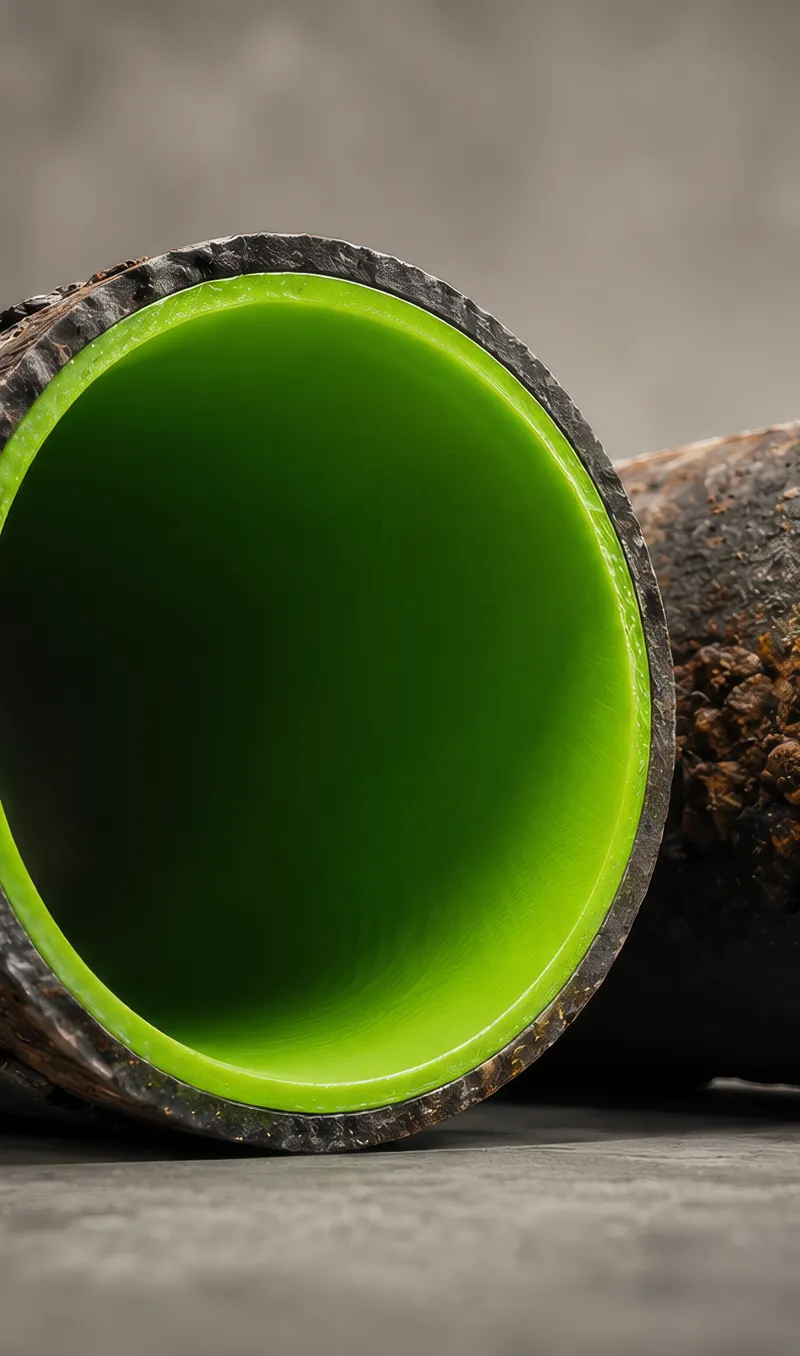
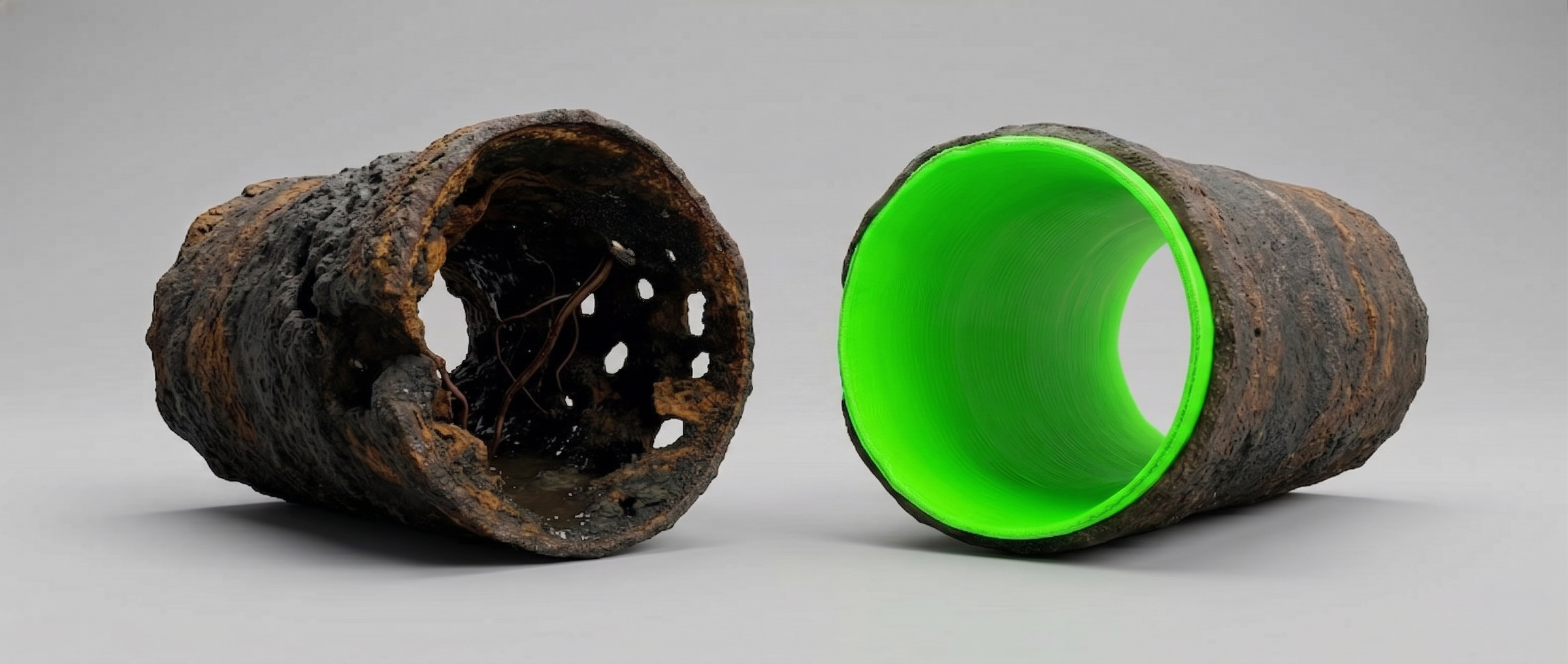
CIPP lining installs a resin-saturated liner inside a prepared sewer pipe. The liner cures into a hardened lining along the specified segment. Connections and transitions require planning so the completed repair preserves the intended drainage path.
For a 2026 proposal, the scope should identify the installation limits, preparation requirements, access, curing method, and final verification. The word lining alone does not define the work.
CIPP Lining Pros:
- Treats a continuous segment rather than only a visible isolated defect.
- Uses the existing pipe route for rehabilitation.
- Can reduce excavation along the treated segment.
CIPP Lining Cons:
- Requires suitable pipe geometry and professional preparation.
- Does not lift a sagging pipe or correct its slope.
- Requires planning for access, connections, and sewer-use restrictions.
Best For: A documented segment with deterioration that is suitable for lining after preparation.
Verdict: Buy only after inspection confirms suitability and the proposal defines the complete treatment limits.
2. Sectional Point Repair: Best for an Isolated Defect
Sectional point repair treats a selected area rather than lining the entire assessed segment. It fits a localized defect when the surrounding pipe condition supports a limited repair.
The surrounding pipe matters as much as the defect itself. A small repair is not a complete answer when inspection shows deterioration continuing beyond the proposed treatment area.
Sectional Point Repair Pros:
- Targets a documented damaged location.
- Limits rehabilitation to the area that requires treatment.
- Provides an alternative to full-segment lining when the remaining pipe is suitable.
Sectional Point Repair Cons:
- Leaves untreated pipe outside the repair limits.
- Requires accurate defect location and suitable installation access.
- Does not correct a broader alignment problem.
Best For: An isolated defect with inspected, suitable pipe on either side.
Verdict: Buy for a confirmed localized problem. Skip when the evidence supports broader rehabilitation.
3. Excavation & Replacement: Best for Collapse or Alignment Correction
Excavation exposes the affected pipe so a contractor can remove, replace, or reposition it. It belongs in this comparison because no dig sewer repair is not the right answer to every sewer failure.
A collapsed section can require direct access before the remaining line is considered for rehabilitation. A slope problem also requires a scope that addresses geometry, not just the pipe wall.
Excavation & Replacement Pros:
- Provides direct access to collapsed or inaccessible sections.
- Allows physical correction of pipe alignment.
- Can be limited to a problem area when the remaining system supports another method.
Excavation & Replacement Cons:
- Requires opening the affected surface or structure.
- Adds restoration work to the project scope.
- Requires planning around existing utilities and property access.
Best For: Conditions that require physical replacement or repositioning.
Verdict: Buy when inspection identifies a condition lining cannot correct. Skip blanket excavation when a narrower scope addresses the documented failure.
How No Dig Sewer Repair Works
The sequence begins with evidence, not liner installation. Southeast Services offers Sewer Camera Inspection and the Rehabilitation Readiness Report (R3), a proprietary standardized pipeline condition assessment that documents everything needed to price a rehabilitation accurately.
Inspect
The contractor documents the pipe route, visible condition, connections, and access constraints. If deposits obscure the wall, the initial footage cannot establish the full rehabilitation scope.
Prepare
Professional preparation removes material that interferes with assessment or installation. For cast iron pipe, descaling can be part of that work. The preparation method must match the pipe condition rather than assume every line can tolerate the same treatment.
Verify
After installation and curing, the contractor checks the completed repair and connections. The closeout record should identify what was treated and document the finished condition.
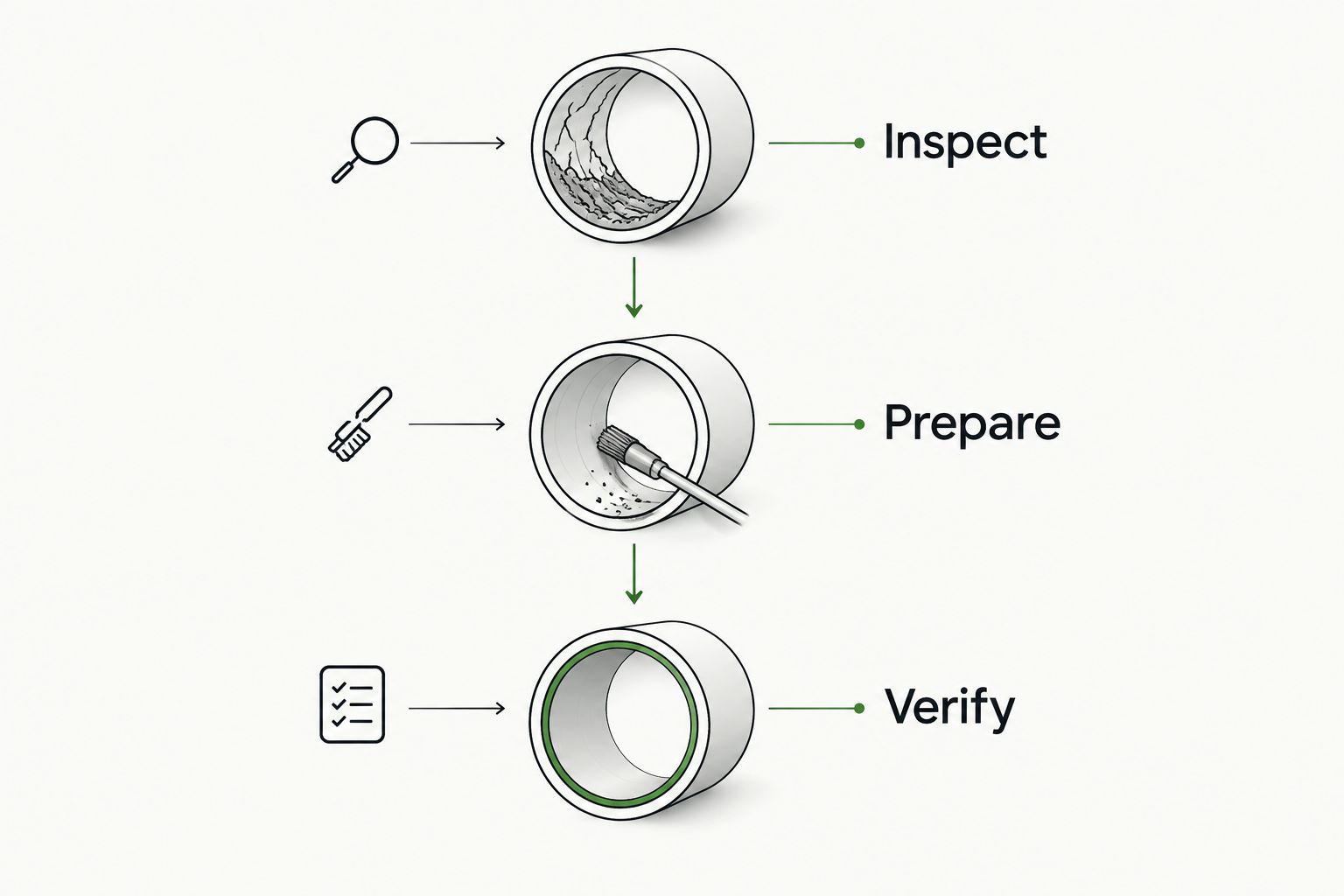
Installation sits between preparation and final verification. The selected repair method determines the equipment, access arrangement, and curing requirements.
What a Defensible Proposal Includes
For a 2026 repair decision, compare written scopes rather than the trenchless label. A proposal should make the boundaries of responsibility clear before work begins.
- Existing condition: Recorded defects and any areas that remain unassessed.
- Treatment limits: The start and end of each proposed repair.
- Preparation: Required descaling or other work before installation.
- Access: Existing entry points and any openings that must be created.
- Connections: Branch locations and the planned treatment at each connection.
- Operations: Sewer-use restrictions and arrangements during the work.
- Closeout: Final inspection documentation and acceptance requirements.
Avoid treating no dig as a promise that no opening will ever be necessary. Existing access, pipe geometry, and the defect location determine what the contractor needs to reach. Ask for those requirements in writing.
How the Methods Are Ranked
The ranking follows defect extent, alignment, access, connections, and verification. CIPP lining ranks first for suitable continuous deterioration. Sectional point repair ranks first for a suitable isolated defect, while excavation ranks first when the pipe needs physical correction.
This is a selection framework, not a product test. No single method wins across all sewer conditions, and a lower-disruption method is not a substitute for correcting the actual failure.
Which Repair Should a Homeowner Choose?
Choose assessment first, then select the method supported by the findings. For a suitable deteriorated segment, CIPP lining is the default option to evaluate. For an isolated defect, compare sectional point repair against the condition of the surrounding pipe.
If the 2026 inspection documents collapse or an alignment defect, require a correction plan before accepting a lining scope. A combined approach is appropriate when separate parts of the line need different work.
Frequently Asked Questions
What Is No Dig Sewer Repair?
No dig sewer repair rehabilitates a suitable existing sewer line without excavating along the entire treated route. CIPP lining forms a hardened lining inside the prepared pipe, while sectional point repair treats a selected defect. Inspection determines whether either method fits and whether localized access openings are necessary.
Can No Dig Sewer Repair Fix a Collapsed Pipe?
Lining alone does not rebuild a collapsed pipe route. A contractor must determine whether the damaged section requires excavation and replacement before adjacent pipe is considered for rehabilitation. The repair scope should distinguish the collapse from other deterioration so the proposed work addresses both conditions rather than only the accessible section.
Does Pipe Lining Fix a Sagging Sewer Line?
Pipe lining does not correct a sewer line's slope. It follows the existing route, so a low section remains an alignment issue unless separate corrective work addresses it. A licensed contractor should assess the geometry and explain whether excavation is required before proposing rehabilitation for the pipe walls.
How Should a Homeowner Compare No Dig Sewer Repair Proposals?
Compare the documented condition, treatment limits, preparation, access, connection work, and final verification. Proposals are not equivalent simply because both specify lining. For a 2026 decision, require each contractor to explain exclusions and unresolved conditions, then confirm that the selected scope addresses the actual defect rather than only its symptoms.
One Last Thing
The most useful question is: what problem will remain after this repair? A proposal can describe a sound lining method yet leave an untreated branch, alignment issue, or deteriorated section outside its limits.
A clear answer belongs in the scope. It separates a defined rehabilitation project from an incomplete repair.
Discuss an Assessment
Southeast Services brings 10M+ feet of pipe experience, 20+ years in business, and 200+ years of combined team expertise. Residential Trenchless Pipe Repair serves Brevard, Indian River, St. Lucie, and Martin counties only.
Diagnosis and rehabilitation require a licensed, certified contractor. Have the existing condition documented before authorizing a repair method.
Southeast Services of the Treasure Coast, Inc., 815 10th Court SW, Vero Beach, FL 32962. Phone 772-226-7416. Toll-free 888-808-CIPP (2477).
Email: residential@southeastservices.com.
Licenses: CFC1429186, CUC1223872 & CGC1525265.