Cast iron pipe repair vs replacement costs should be compared only after CCTV inspection identifies the failed segments, access limits, cleaning needs, and restoration scope. In Florida homes built from the 1950s to the 1970s, age is a reason to inspect. It is not proof that every line needs excavation.
Why This Matters
Cast iron drain systems in older Florida homes often deteriorate from the inside while the slab, floor finish, and landscaping remain intact above them. The expensive mistake is treating every backup as a replacement project or treating every corroded line as a lining candidate.
In 2026, a homeowner needs a comparison that separates pipe work from demolition and restoration. The decision is not repair versus replacement in the abstract. It is what the camera evidence supports in your system.
Start With A Condition Record
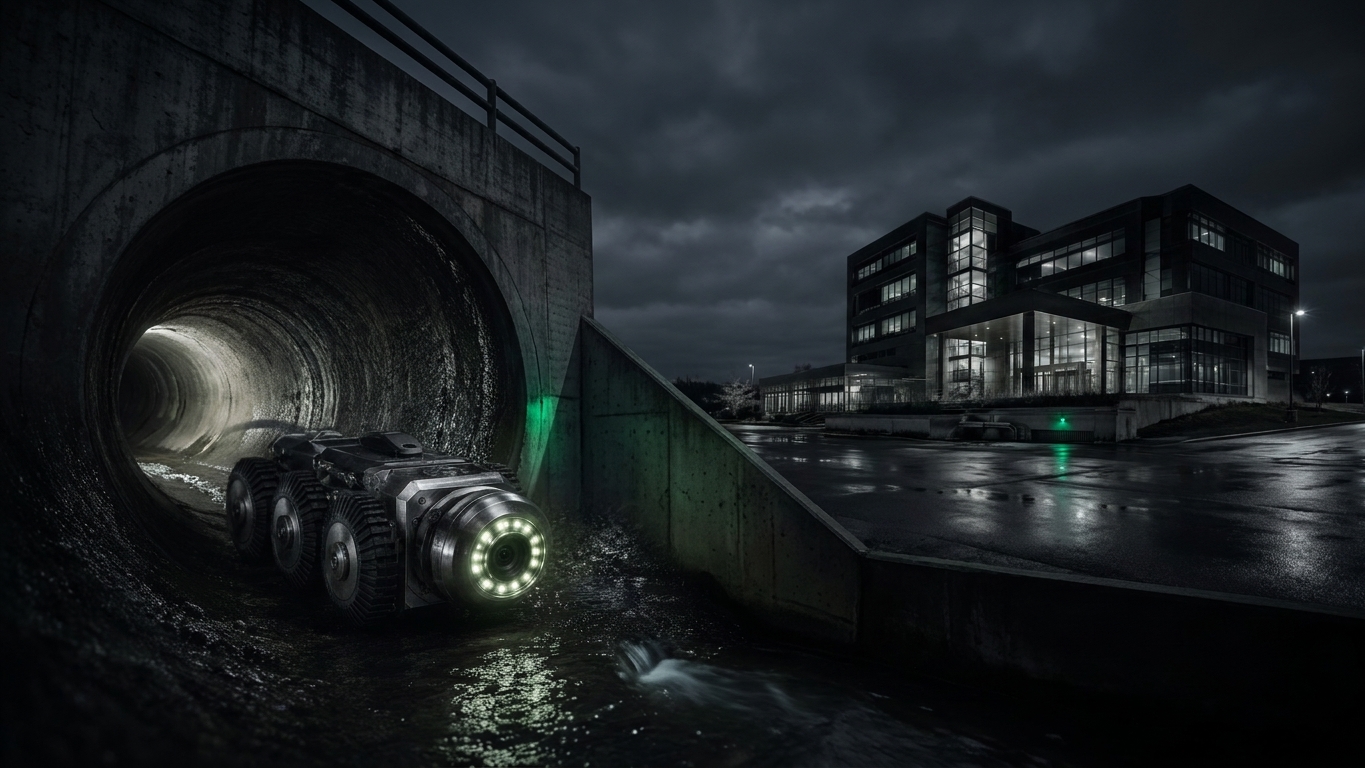
A defined comparison starts with a sewer camera inspection, pipe measurements, defect locations, and access conditions. Southeast Services uses NASSCO certified condition assessment technicians to record the material, joints, scale, defects, and branch conditions before a rehabilitation recommendation.
The first inspection is not the final decision. Cleaning can expose a condition hidden by scale or debris. The post-cleaning inspection is the record that determines whether a pipe can accept cured-in-place pipe (CIPP) lining, needs sectional point repair, or requires replacement.
For a documented residential assessment, review cast iron pipe lining.
When Repair Is The Right Scope
Localized Defects
Sectional point repair fits a discrete crack, failed joint, or isolated defect when the rest of the pipe remains suitable. It avoids turning a limited failure into a full-system scope. The camera record should identify the location, diameter, defect length, and access point.
Suitable Host Pipe
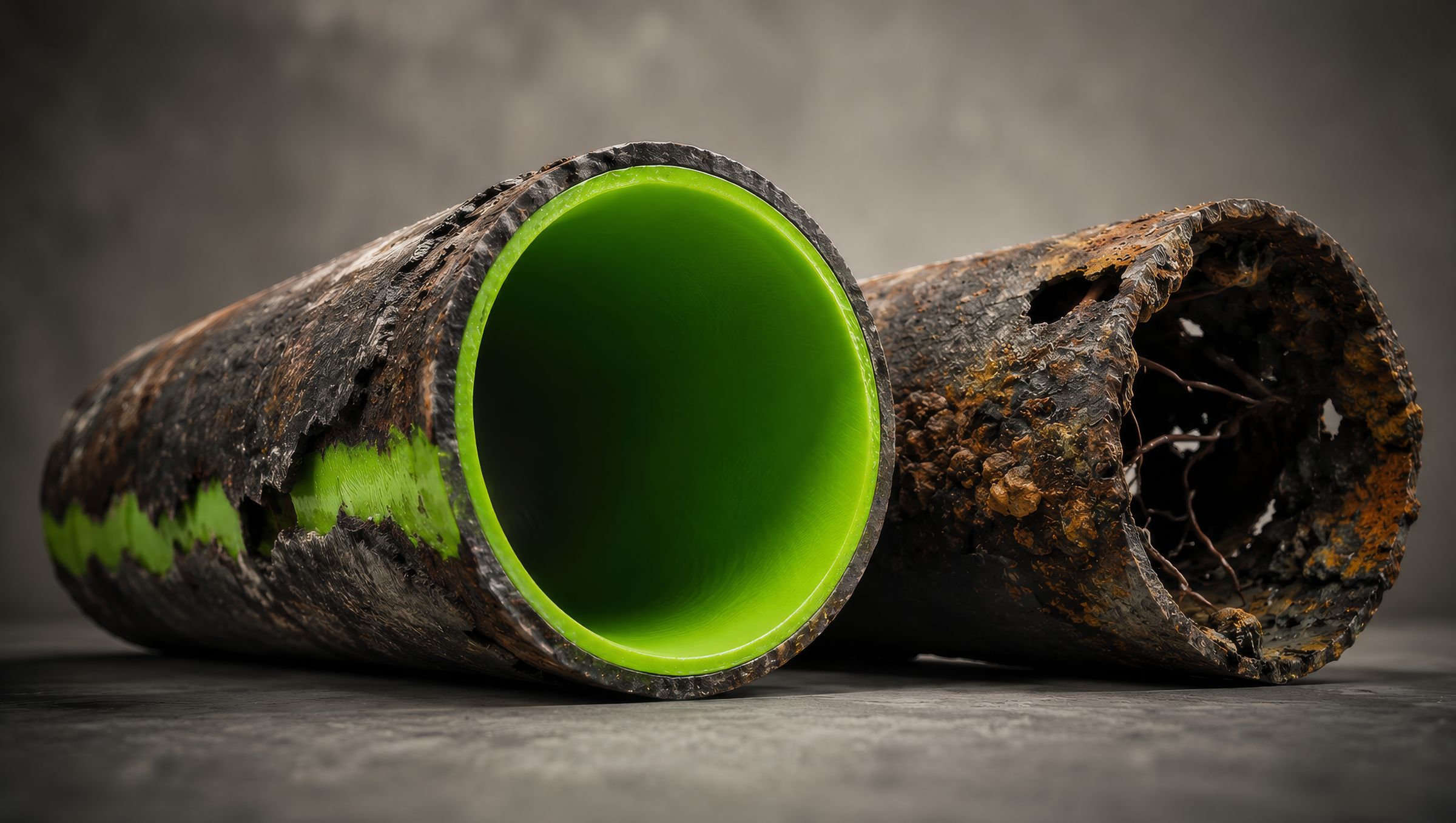
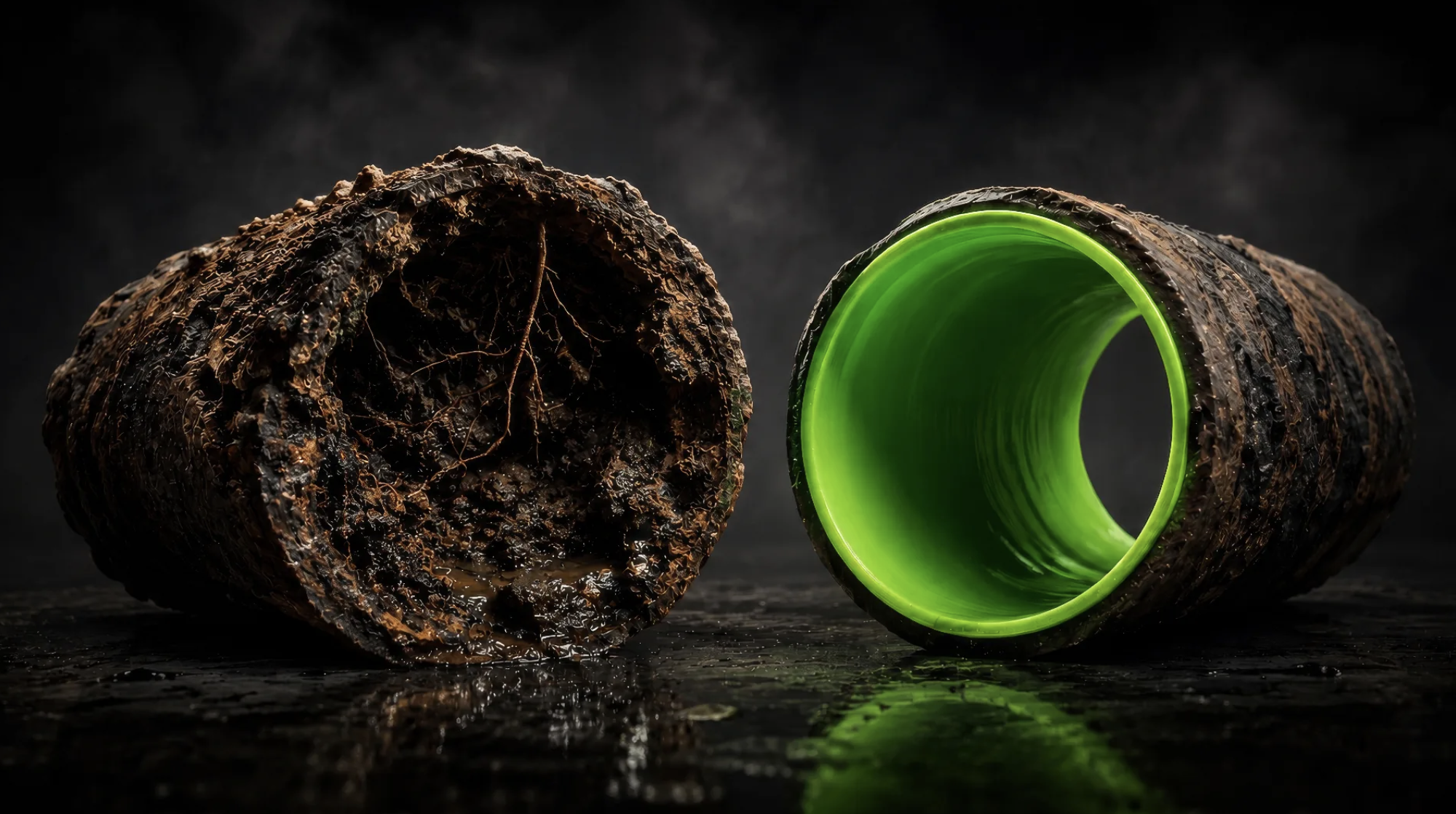
CIPP lining creates a new pipe inside a prepared host pipe. ASTM F1216-24a covers rehabilitation by installation and curing of a resin-impregnated tube in existing pipelines. A suitable host pipe has the geometry, access, and cleaned surface required for the specified liner.
Restoration Avoidance
Repair or lining can reduce the demolition required to reach buried pipe. That benefit is only real when the pipe is technically suitable. Do not choose a trenchless method because the word no-dig appears in a proposal. Choose it because the inspection supports it.
When Replacement Is The Right Scope
Replacement is the right scope for pipe that cannot be cleaned or restored to a geometry suitable for rehabilitation. A collapsed segment, severe offset, separated section, or access limitation can rule out lining for that portion of the system.
Replacement can also be appropriate where the project changes the pipe layout or corrects a connection that cannot be rehabilitated. The proposal should identify the exact footage requiring replacement. A broad statement that the pipes are old is not enough.
Compare The Full Scope
| Scope Item | Trenchless Repair or Lining | Replacement |
|---|---|---|
| Condition Basis | CCTV Before and After Cleaning | CCTV Plus Access and Excavation Plan |
| Pipe Work | Point Repair or CIPP in Suitable Segments | Remove and Install Defined Segments |
| Access | Existing Cleanouts, Vents, or Planned Entry Points | Slab, Wall, Yard, or Surface Access |
| Restoration | Limited to Documented Access Work | Includes Surfaces Affected by Excavation |
| Verification | Post-work CCTV Inspection | Testing and Documented Completion |
In 2026, compare proposals line by line. One proposal can appear lower because it excludes cleaning, restoration, branch work, verification, or a defect found after the estimate. A defined scope makes the risk visible before work begins.
What To Require In A Proposal
- Pre-cleaning and post-cleaning CCTV footage.
- Pipe diameter, footage, and defect locations.
- Cleaning and preparation method.
- Access locations and restoration responsibility.
- A statement of which segments are suitable for trenchless work.
- Post-work inspection and records.
Southeast Services has 10M+ feet of pipe experience and provides an assessment before recommending a rehabilitation method. Read how trenchless pipe repair is scoped for residential systems.
Frequently Asked Questions
Is cast iron pipe repair cheaper than replacement?
Cast iron pipe repair can cost less when defects are isolated and the remaining pipe is suitable for rehabilitation. The correct comparison includes cleaning, access, restoration, and verification for both options.
Can cast iron pipes be lined instead of replaced?
Cast iron pipes can be lined when CCTV inspection and cleaning confirm a suitable host pipe. Collapsed or severely misaligned segments require a different documented scope.
What should a repair versus replacement inspection show?
The inspection should show pipe diameter, defect locations, branch conditions, access limits, and the pipe condition after cleaning. Those details determine which segments can be repaired, lined, or replaced.
Does trenchless pipe repair eliminate all disruption?
Trenchless pipe repair can reduce demolition, but it still needs access, cleaning, installation, and verification. Your proposal should identify the areas that require access before work starts.
Should I replace all cast iron pipes because my home is older?
No. Older cast iron creates a reason for assessment, not an automatic replacement decision. CCTV evidence should identify the actual failed segments and the condition of the remaining pipe.
How do I get a defensible repair scope in 2026?
Start with a camera assessment, cleaning plan, and written record of pipe conditions. A defensible 2026 scope identifies the method, footage, access, exclusions, and post-work verification.
Make The Decision From Evidence
The right scope may use repair for one segment, CIPP lining for another, and replacement only where the pipe cannot support rehabilitation. Southeast Services of the Treasure Coast, Inc. is a Florida licensed contractor serving Brevard, Orange, Volusia, Indian River, St. Lucie, Martin, and Palm Beach counties. Request a free residential assessment at 888-808-CIPP (2477) or review residential pipe cleaning & descaling.