
Cast Iron Specialists
Cast Iron Pipe Lining in Florida
UV-cured-in-place pipelining restores cast iron drain systems in as little as 1 to 3 days, with no digging, demolition, or displacement, all backed by a lifetime warranty.
Modern Pipe Restoration
Cast Iron Pipelining: How It Restores Florida Homes
Cast iron pipe lining is the modern, no-dig way to restore the aging drain, waste, and vent systems that sit beneath an estimated 2.5 million Florida homes built before 1980. Decades of corrosion, scale, and joint failure leave these pipes leaking, restricted, and prone to backups, but the answer is no longer trench-and-replace.
Using UV-cured cured-in-place pipe (CIPP) technology, we install a structural epoxy liner inside your existing cast iron pipe. The liner seals every crack and joint, restores full flow capacity, and adds 50+ years of service life, all without breaking your slab, tearing up flooring, or excavating your yard. Most residential projects are completed in 1 to 3 days and are backed by a Lifetime Warranty on labor and materials.
Typical Project Duration
Added Service Life
No Excavation Required
The Florida Problem
Why Cast-Iron Pipes Are Failing
Cast iron pipes were the residential plumbing standard in Florida through the late 1970s. Builders chose it because it was strong, fire-resistant, and quieter than alternatives. What no one accounted for is how aggressively Florida's environment would degrade it from the inside out. Three forces drive cast iron failure in Florida homes:
High Water Tables & Saturated Soils
Most of Florida sits between two and five feet above the water table. Cast iron pipes buried in saturated, mineral-rich soil corrode from the outside in, while constant moisture inside corrodes the iron from the inside out. The result is bidirectional decay that thins pipe walls until they crack, sag, or collapse.
Sulfuric Acid From Waste
Wastewater sitting in cast iron pipes generates hydrogen sulfide gas. When that gas combines with moisture and oxygen in the lower half of the pipe, it forms sulfuric acid. The acid eats away at the bottom of the pipe faster than the top, leaving a characteristic failure channel along the bottom interior surface.
Hardened Scale & Reduced Flow
As cast iron corrodes, the rust builds into a rough crust called tuberculation, the plumber's term for the rust that grows on the inside of the pipe. This scale catches paper, hair, grease, and debris, accelerating clogs. By the time most homeowners notice, the pipe's diameter has been reduced by 50%.
The Reality
50 to 70 Years In, Failure Is A "When," Not An "If."
Three failure modes compound over decades. Every pre-1980 Florida home is now in the danger zone.
The Fix
Cast Iron Lining Adds 50+ Years Of Service Life.
A structural liner bonds inside the existing pipe, stopping decay and restoring full diameter. No demolition required.
The Technology
What Is UV-Cured Cast Iron Pipe Lining?
UV-cured cast iron pipe lining is a trenchless rehabilitation method that installs a structural epoxy liner inside an existing pipe. Once cured, the liner functions as a new pipe within the old one, sealing leaks, bridging cracks, and restoring smooth interior flow. The cure happens in minutes rather than hours, and the work is performed entirely through existing access points without breaking up floors, slabs, or landscaping.
The technical name is UV-CIPP, short for ultraviolet-cured cured-in-place pipe. A train of high-intensity ultraviolet LED lights is pulled through the inserted liner, activating the epoxy resin and curing it from soft and pliable into a hard, structural composite. UV cure is faster, more controlled, and more weather-independent than the older steam-cure and ambient-cure methods used in legacy CIPP installations.
UV-CIPP vs. Epoxy Coating: A Structural Difference
Epoxy Coating
Class IV Repair · 3 to 10 Year Warranty
Sometimes marketed as "spray lining" or "brush coating," epoxy coating sprays a thin layer of resin onto the inside of a pipe. It can fill small surface defects but does not add structural integrity. It is effectively a 3 to 10 year solution.
UV-CIPP
Class I Structural Repair · Lifetime Warranty
UV-CIPP meets ASTM F1216, F1743, and F2019. The cured liner is strong enough to function as a standalone pipe even if the surrounding host pipe fails completely. That classification is why UV-CIPP qualifies for a Lifetime Warranty.
What UV-CIPP Cannot Restore
- Pipes with full collapse (no remaining host pipe to line against)
- Pipes that have separated at joints with significant offset
- Pipes with active root intrusion that has fractured the host pipe wall
What UV-CIPP Can Restore
- All drainage, waste, and vent piping from 2" and larger
- Complex pipe systems under slab or in wall with 45° and 90° bends
- All branch connections, laterals, and sewer mains
In these cases, a hybrid approach is used: spot excavation to repair the failed section, followed by UV-CIPP through the rest of the run. A camera inspection determines which method applies before any work is quoted.
Our Process
The Southeast Services 8-Step Lining Process
Every Southeast Services cast iron lining project follows the same eight-step process, regardless of project size. The process is designed to be transparent at every stage. Homeowners see the condition of their pipes before work begins, watch the lining process in real time if they choose, and receive a final inspection video confirming the work.
- Step 01
Free Camera Inspection
A Certified Inspector performs a complete camera inspection using an HD push camera and locator system. We document pipe condition following nationally defined protocols and provide you with copies of every video.
- Step 02
Transparent Proposal
You receive a written proposal specifying each pipe segment and its rehabilitation details. It is an all-inclusive package price with no guesswork or unknowns to be surprised by later.
- Step 03
Scheduling & Permitting
Once the proposal is signed, the office coordinates municipal permitting, schedules the project, and provides a written project plan. Most residential projects start within 2 to 4 weeks.
- Step 04
Pre-Lining Pipe Cleaning
The crew performs mechanical cleaning of the host pipe using descaling tools matched to pipe diameter and scale severity, exposing the bare wall so the liner bonds correctly.
- Step 05
Post-Cleaning Inspection
A second camera inspection confirms the pipe is fully cleaned and ready for lining. This footage is included in the project file and provided to the homeowner.
- Step 06
Liner Installation
The epoxy-saturated liner is inserted through an existing access point and inflated against the host pipe interior, conforming to bends, transitions, and diameter changes.
- Step 07
UV Cure
A UV LED light train is pulled through the inflated liner at a controlled speed, curing the resin into a hard structural composite. Cure is typically completed in under one hour.
- Step 08
Final Inspection & Warranty
A final camera inspection documents the finished lined pipe end-to-end. The video is delivered along with the Lifetime Warranty certificate. The home is returned to full service the same day.
Cost & Disruption
Lining vs. Replacement: The Real Difference
The traditional alternative to cast iron pipe lining is excavation and replacement: breaking up concrete slab floors, removing flooring and cabinetry, digging trenches through the home's foundation, replacing the failed pipe, backfilling, allowing the concrete to cure, and rebuilding everything that was demolished. The cost and disruption differences are not close.
Trench & Replace
Traditional
- Cost (typ. 2,000 sq ft, ~90 LF under-slab)
- $37,000 to $89,000
- Project Timeline
- 4 to 6 Weeks
- Demolition Required
- Slab, Flooring, Cabinetry, Drywall Cuts
- Restoration Required
- Slab, Flooring, Cabinetry, Paint, Trim
- Displacement During Work
- Most Homeowners Must Vacate Part Of The Project
- Warranty
- 1-Year Labor Warranty Only
Cast Iron Pipe Lining
Recommended · The Modern Way
- Cost (typ. 2,000 sq ft, ~90 LF under-slab)
- $15,000 to $22,000
- Project Timeline
- 1 to 3 Days
- Demolition Required
- None. Existing Access Points Only.
- Restoration Required
- None
- Displacement During Work
- Homeowners Stay. Plumbing Restored Same-Day.
- Warranty
- Lifetime Warranty On Both Labor & The Materials
Typical Homeowner Savings
Choosing UV-CIPP cast iron pipe lining over trench & replace puts tens of thousands of dollars back in your pocket on a typical Florida home.
Lower Total Project Cost
Versus Up To 6 Weeks
Demolition Or Restoration
Florida Pricing
What Cast Iron Pipe Lining Costs in Florida
Cast iron pipe lining is priced per linear foot of pipe lined, with adjustments for pipe system complexity and site access.
Florida Market Range
Per Linear Foot
Pricing below this range often signals incomplete scope, unclear methods, or change-order contractors.
Total Linear Footage
Most pre-1980 Florida homes have 80 to 120 linear feet of drainage piping. A free camera inspection provides an exact measurement before any quote is provided, ensuring a complete and accurate proposal is provided.
Pipe System Complexity
Simple straight pipes are one thing, but most homes have multiple bends, diameter transitions, and branch connections that require more installation time and materials to ensure a proper repair.
Access Conditions
Accessible cleanouts and clear pipe routing keep cost standard. Buried cleanouts, restricted or limited access to your pipes, and other site conditions, such as solar roofs, can add costs to your project.
Lifetime Coverage
The Strongest Warranty in the Cast Iron Lining Category
Common Questions
Cast Iron Pipe Lining FAQs
- The pricing range for residential cast iron pipe lining in Florida generally runs between $175 and $250 per linear foot, plus variables for pipe system complexity and access conditions. Total project cost depends on the linear footage of pipe, the number of bends and transitions, and access conditions at the home. A free camera inspection produces an exact measured proposal before any number is quoted.
- Most homes are finished in 1 to 3 days. Compare that to traditional dig-and-replace, which typically runs 4 to 6 weeks once you count demolition, plumbing work, concrete curing, and rebuilding everything that was torn out. Your plumbing is back in service the same day the lining is completed.
- No. You stay in your home the entire time. The work happens inside your pipes through existing access points, so there is no demolition and no construction zone. Water service pauses only for short stretches while the liner is being installed and cured, and our crew tells you exactly when before it happens.
- Epoxy coating sprays a thin layer of resin on the inside of the pipe. It can cover small surface flaws, but it adds no strength, which is why the industry classifies it as the lowest repair class and why it carries only a 3 to 10 year warranty. UV-CIPP installs a solid structural liner that works as a brand-new pipe inside the old one, strong enough to stand on its own even if the old pipe fails completely. That strength is why it carries a lifetime warranty.
- Every Southeast Services UV-CIPP installation comes with a lifetime warranty covering both labor and materials. It transfers to the new owner if you ever sell your home, and the full terms are provided in writing before you sign anything.
- Almost all of them, but not every single one. If a section of pipe has fully collapsed, separated badly at a joint, or been fractured by tree roots, there is nothing solid left to line against. In those cases we repair that one spot with a small targeted excavation and line the rest of the run. The free camera inspection tells us which situation you have before anything is quoted.
- If your Florida home was built before 1980, it was almost certainly built with cast iron drain pipes. Common warning signs are slow drains, gurgling sounds, sewer odors, and backups that keep coming back. The only way to know the actual condition is a camera inspection, which we provide free.
- The liner goes into your pipe soft and flexible, saturated with resin. A train of ultraviolet LED lights is then pulled through it at a controlled speed. The UV light hardens the resin in minutes, turning the soft liner into a rigid, structural pipe bonded inside your old one. It is fast, precise, and unaffected by weather or temperature.
- In most cases, yes. Sewer odors in older homes usually come from cracks, failed joints, and corrosion holes that let sewer gas escape the pipe. The liner seals the entire run as one continuous, jointless pipe, closing off those escape paths. If an odor comes from a different source, the camera inspection will identify it.
- For a typical 2,000 square foot Florida home with about 90 feet of under-slab pipe, trench-and-replace runs $37,000 to $89,000 once demolition, restoration, and displacement are counted. Lining the same home typically runs $15,000 to $22,000 all-in. Most homeowners save between $20,000 and $70,000, up to 75% less.
- Yes. UV-CIPP lining meets ASTM standards F1216, F1743, and F2019, and every Southeast Services installation complies with the Florida Building Code. We handle all permit research, applications, and inspections ourselves, and permit fees are included in every proposal. You never pull a permit yourself.
- A certified inspector runs a high-definition camera through your entire drain system and documents the condition of every pipe, joint, and connection. You get copies of every video, an honest explanation of what we found, and, if lining makes sense for your home, a written proposal with measured footage and one all-inclusive price. No obligation, no pressure.
- The lateral is the pipe that carries wastewater from your house out to the city sewer line, usually running under your yard toward the street. It ages and corrodes just like the pipes under your slab, and it can be lined the same way. A complete inspection covers it so nothing gets missed.
- The cured liner adds 50 or more years of service life. It is a Class I structural repair, meaning it performs as a standalone pipe, and it is backed by a lifetime warranty on labor and materials for as long as you own the home, transferable if you sell.
- Very little. We work through existing access points like cleanouts and vent stacks, so there is no need to move furniture or clear rooms the way you would for construction. Your project plan spells out the schedule and the short windows when water will be off. That is it.
Field Proof
See This Work In The Field
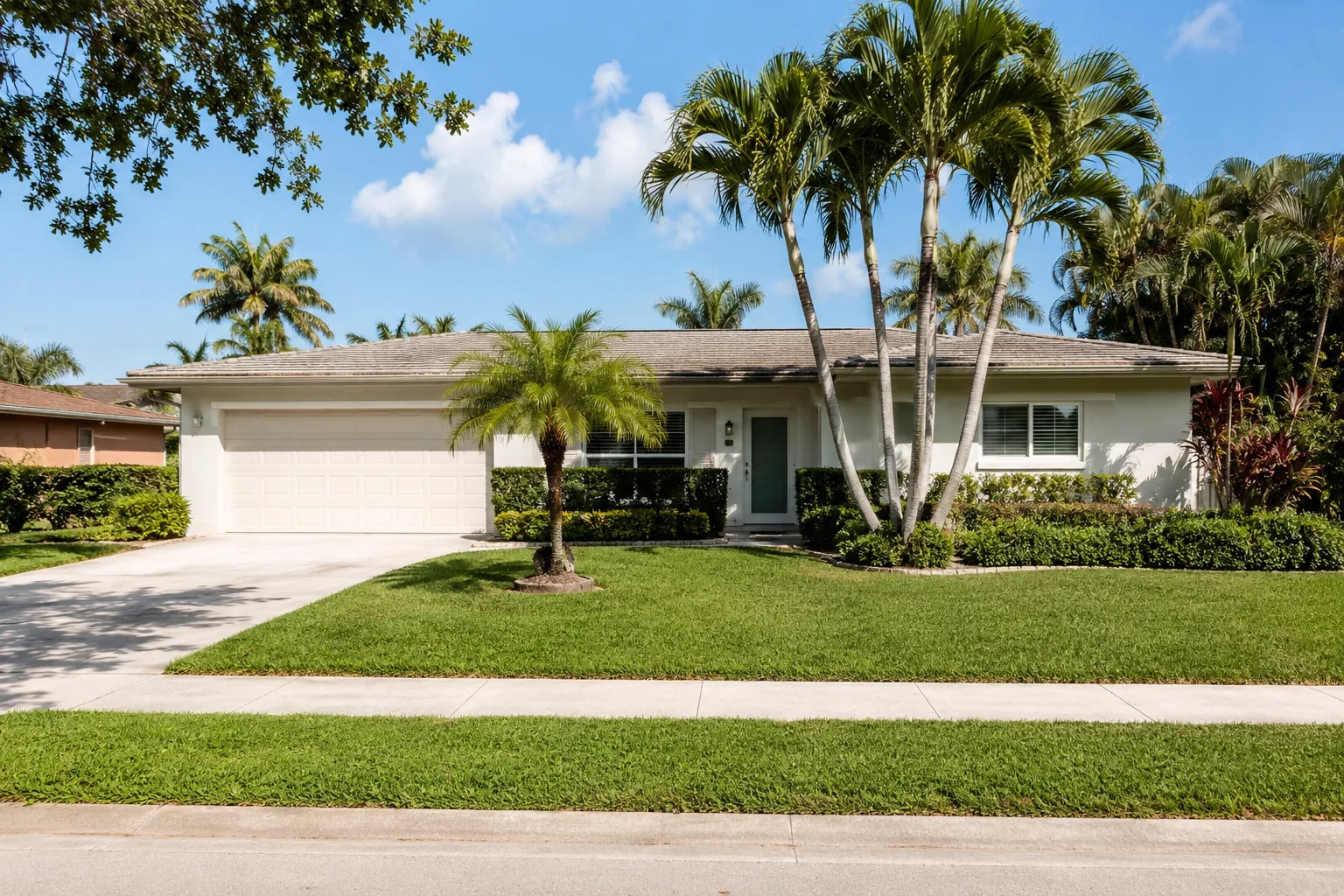
Indian River County · Vero Beach
1969 Vero Beach Home,Full Under-Slab Rehabilitation
A 1969 concrete-block home with recurring backups affecting the kitchen and both bathrooms. Southeast Services rehabilitated the home's under-slab cast-iron drainage system in two days without requiring the homeowners to leave the property.
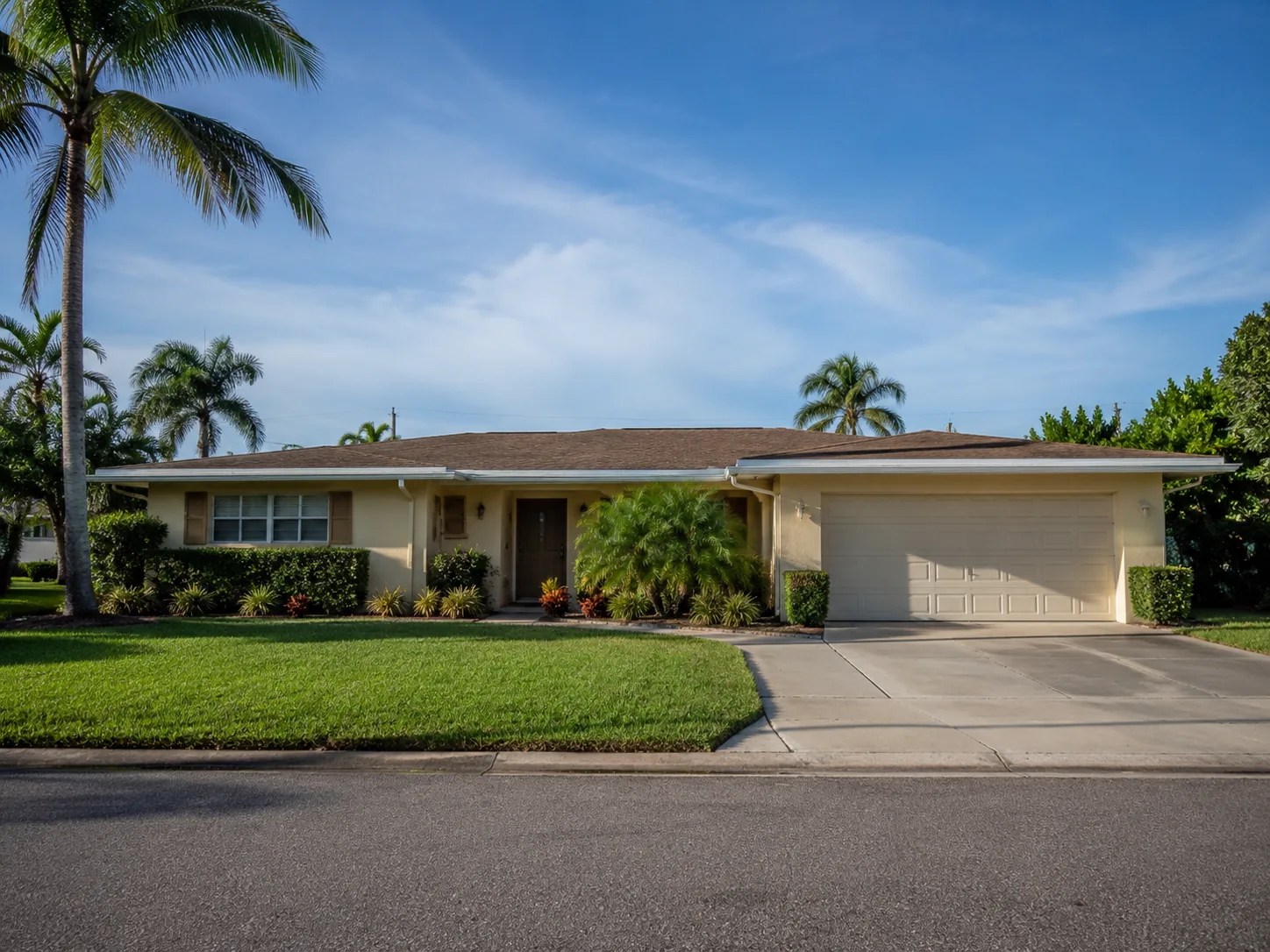
Brevard County · Satellite Beach
1974 Satellite Beach Home,Full Under-Slab Rehabilitation
A deteriorating cast-iron drainage system had turned routine water use into a constant risk of another backup. Southeast Services restored the home's entire under-slab system from within, eliminating the need to excavate through finished floors or displace the homeowners.
From Our Homeowner Guides
Keep Learning
Ready To Get Started?
Get Expert Help Today
Schedule Your Free Cast Iron Camera Inspection Today. No Obligation. No Pressure. Just Answers.
0% Financing Available for Qualifying Customers