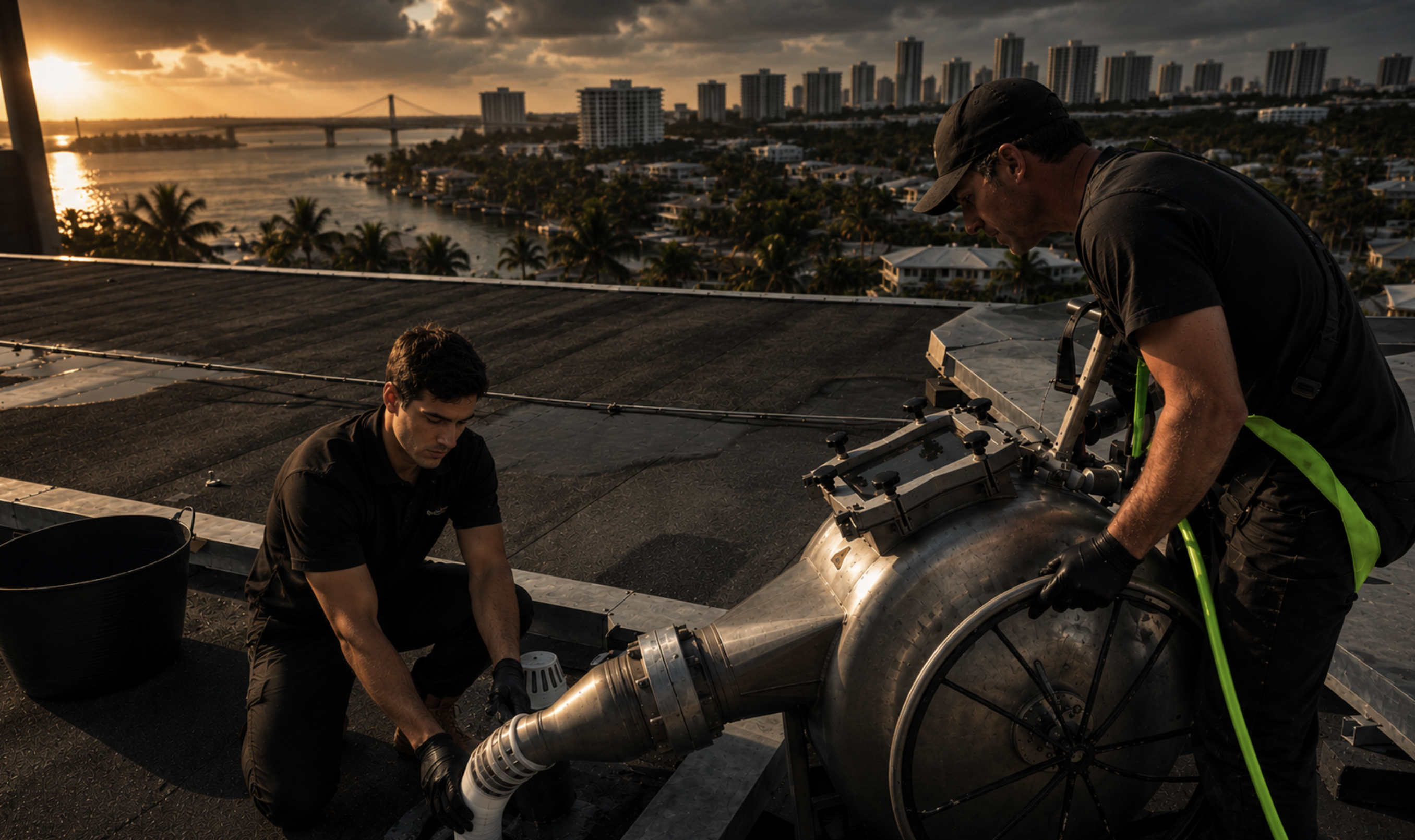
Cured-in-place pipe (CIPP) lining is a long-term sewer rehabilitation method, not a permanent fix for every pipe condition. A defensible recommendation starts with condition assessment, cleaning, design, installation controls, and final inspection evidence.
- CIPP lining is a long-term rehabilitation method for a suitable host pipe.
- Camera inspection determines whether the pipe can accept a liner.
- CIPP does not correct a collapsed or severely misaligned pipe segment.
- Cleaning and final CCTV inspection support a defensible scope and closeout record.
Is CIPP Lining a Permanent Sewer Fix?
No sewer rehabilitation method should be called permanent without qualification. CIPP lining can provide a long-term result when the existing pipe can accept the specified liner and the work follows a documented process from assessment through verification.
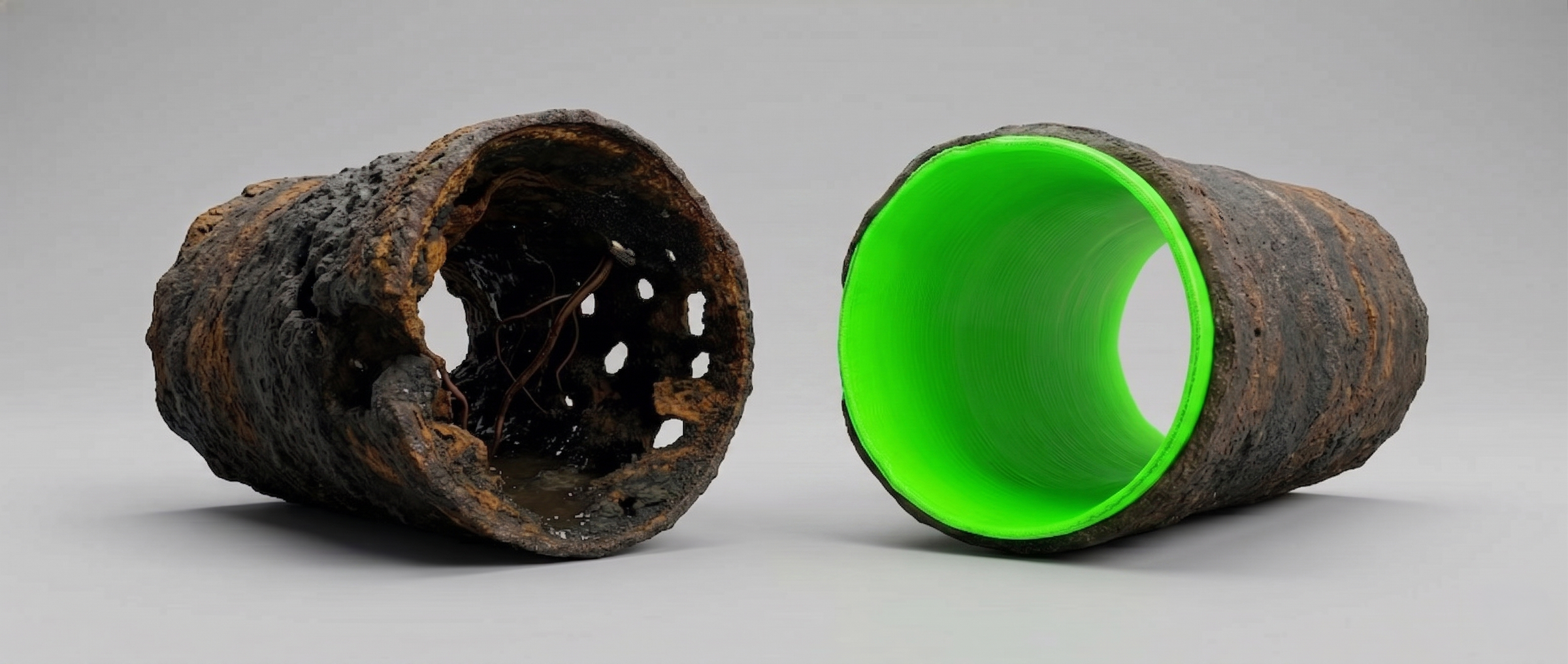
Cured-in-place pipe (CIPP) lining installs a resin impregnated tube inside an existing pipe. The tube is cured to form a continuous liner within the prepared host pipe. ASTM F1216-24a covers the rehabilitation of existing pipelines and conduits by this method.
The standard does not make every pipe a suitable candidate. The actual condition of the host pipe controls the decision. A camera inspection must document the pipe geometry, defects, connections, obstructions, and access conditions before a contractor defines the rehabilitation scope.
What CIPP Lining Can Address
CIPP lining is relevant when the host pipe remains suitable for liner installation. The method creates a new internal pipe surface without requiring a conventional open excavation along the full rehabilitated segment.
A complete evaluation considers:
- Pipe material and diameter
- Bends, branches, and service connections
- Cracks, corrosion, scale, roots, and debris
- Offsets, deformation, and missing pipe wall
- Access for cleaning, liner installation, curing, and inspection
- Groundwater and operating conditions
These factors belong in the scope before installation begins. The name of the method does not replace the evidence needed to select it.
What Makes a CIPP Scope Defensible?
Document the Existing Condition
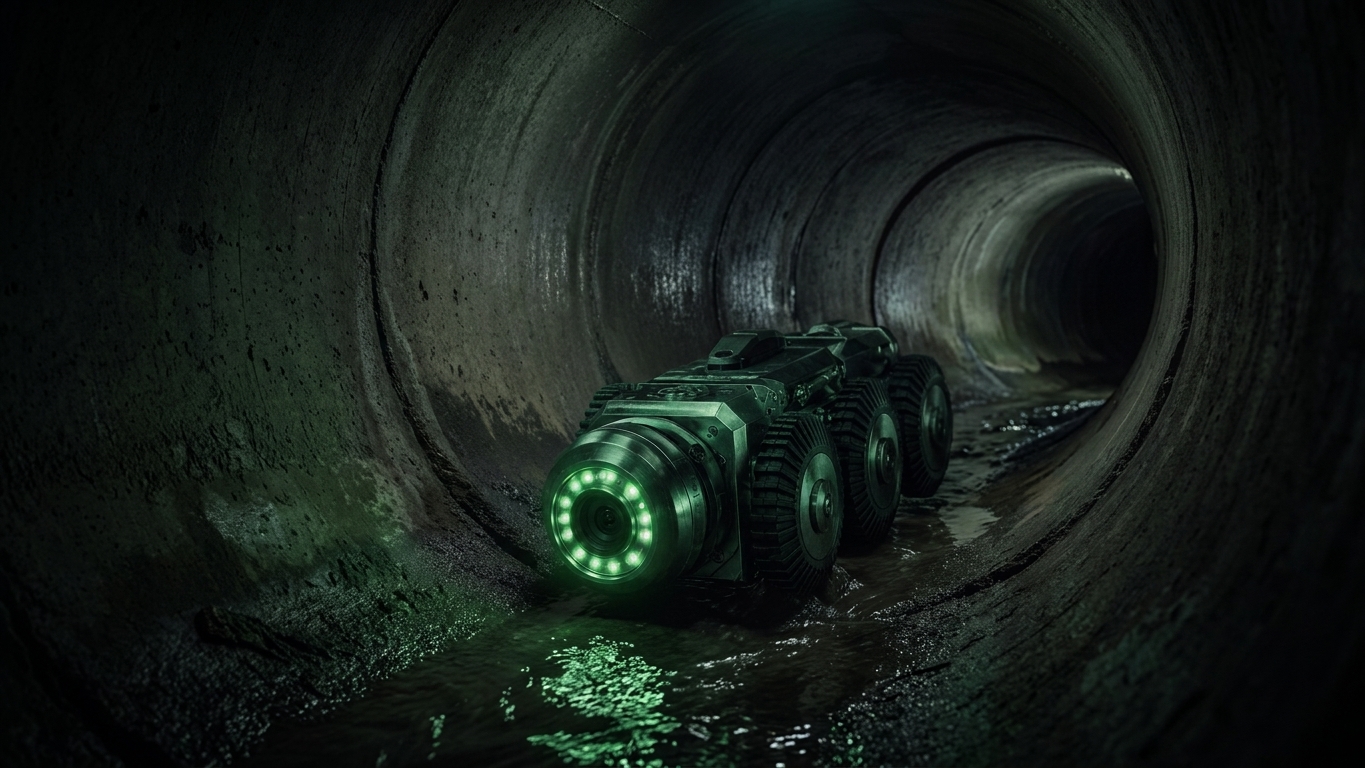
Prework CCTV inspection records the condition before cleaning and rehabilitation. The footage should show the defects and access conditions that affect the recommended method.
Every condition assessment technician at Southeast Services is NASSCO certified. That credential supports consistent inspection practices, but the project decision still depends on the recorded condition of the specific pipe.
Clean the Pipe Before the Final Decision
Scale, roots, debris, and other obstructions can hide the pipe wall. Pipeline cleaning prepares the line for a clearer post cleaning inspection and for rehabilitation when the pipe is suitable.
The cleaning scope must match the condition found in the line. High pressure jetting, mechanical cleaning, root cutting, and pipe descaling serve different preparation needs. The contractor should select the method from the inspection evidence rather than assume one process fits every pipe.
Confirm Suitability After Cleaning
Post cleaning CCTV inspection shows the condition that matters for liner design and installation. It can reveal defects that were not visible before preparation.
This inspection is a decision point. If the pipe remains suitable, the contractor can define the liner scope. If cleaning exposes a collapse, severe offset, or other condition outside the method limits, the scope must change.
Define the Design Basis
A CIPP specification should reflect the documented pipe and site conditions. Diameter, depth, loads, water conditions, branches, access, and service requirements all affect the design basis.
Residential, occupied building, commercial, municipal sewer, and stormwater assets do not share one universal scope. The design must fit the asset being rehabilitated.
Control Installation and Curing
The installation plan should identify access, liner limits, service connection handling, cure method, and site controls. UV-CIPP is a distinct curing approach for suitable sewer and stormwater assets. Its use must follow the documented condition and project requirements.
Controlled installation also requires a clear record of what was installed and where. That record connects the original assessment to the completed scope.
Verify the Completed Work
Postwork CCTV inspection documents the completed liner and identifies any remaining conditions. Final footage is part of the closeout evidence, not an optional courtesy.
Owners should receive records that identify the inspected segments, the work performed, and any conditions excluded from the rehabilitation scope. A permanent claim without that evidence is not defensible.
When CIPP Lining Does Not Fit
CIPP lining is not the correct method for every sewer failure. A collapsed segment, severe misalignment, missing pipe wall, or access condition that prevents proper installation requires a different evaluation.
The correct scope can combine methods. A suitable portion of the line can receive CIPP while a failed segment receives sectional repair, replacement, or another specified treatment. Matching the method to the actual condition is more important than forcing one method across the entire system.
CIPP also does not replace diagnosis. Recommending a liner before cleaning and inspection can leave the owner with an incomplete scope and avoidable uncertainty.
What Records Should an Owner Require?
A complete project file should include the evidence used to select and verify the work.
| Required Record | What It Establishes |
|---|---|
| Prework CCTV Inspection | Documents the Visible Starting Condition |
| Cleaning Scope | Identifies How the Pipe Will Be Prepared |
| Post Cleaning CCTV Inspection | Confirms the Condition Used for Liner Suitability |
| Design and Installation Scope | Defines Access, Liner Limits, Curing, and Exclusions |
| Postwork CCTV Inspection | Documents the Completed Liner and Remaining Conditions |
Southeast Services provides the Rehabilitation Readiness Report (R3) to document the information needed for accurate rehabilitation pricing. The report gives owners a standardized condition record before they compare rehabilitation proposals.
How Should Owners Evaluate a CIPP Proposal?
Start with the evidence, not the word permanent. A proposal should connect each recommended action to the documented pipe condition.
Ask whether the proposal:
- Identifies the exact pipe segments included in the scope
- States how the line will be cleaned and inspected
- Defines the conditions that would change the scope
- Explains the selected liner and curing approach
- Addresses branches and service connections
- Includes final CCTV inspection and closeout records
- Lists exclusions in plain language
A proposal that omits these items leaves the owner to assume what is included. A defensible scope makes the limits visible before work begins.
Frequently Asked Questions
Is CIPP Lining a Permanent Fix for Sewer Pipes?
CIPP lining is a long-term rehabilitation method for a suitable host pipe. It is not a permanent fix for every condition, and inspection evidence must support the recommendation.
Can CIPP Lining Repair a Collapsed Sewer Pipe?
No. A collapsed sewer pipe requires a separate evaluation and may need sectional repair, replacement, or another specified method. CIPP needs a host pipe that can accept the liner.
What Can Cause a CIPP Project to Fail?
A CIPP project can fail when assessment is incomplete, cleaning does not expose the true condition, the design does not fit the pipe, installation controls are inadequate, or final verification is missing.
Why Is Cleaning Required Before CIPP Lining?
Cleaning removes material that can hide defects and interfere with liner installation. Post cleaning CCTV inspection then provides the condition record used to confirm suitability.
How Is a Completed CIPP Liner Verified?
Postwork CCTV inspection documents the completed liner and any remaining conditions. The owner should also receive a written closeout record that identifies the rehabilitated segments and exclusions.
Is UV-CIPP Different from Other CIPP Methods?
Yes. UV-CIPP uses ultraviolet light to cure a suitable liner. The selected cure method must fit the documented pipe condition, access, and project requirements.
Require Evidence Before Accepting a Permanent Claim
The right question is not whether CIPP is permanent. The right question is whether the documented pipe condition supports the proposed liner, preparation, design, installation, and verification plan.
Southeast Services of the Treasure Coast, Inc. is a Florida-licensed contractor headquartered in Vero Beach and serving clients statewide. Request an R3 assessment at 772-226-7416 or solutions@southeastservices.com.