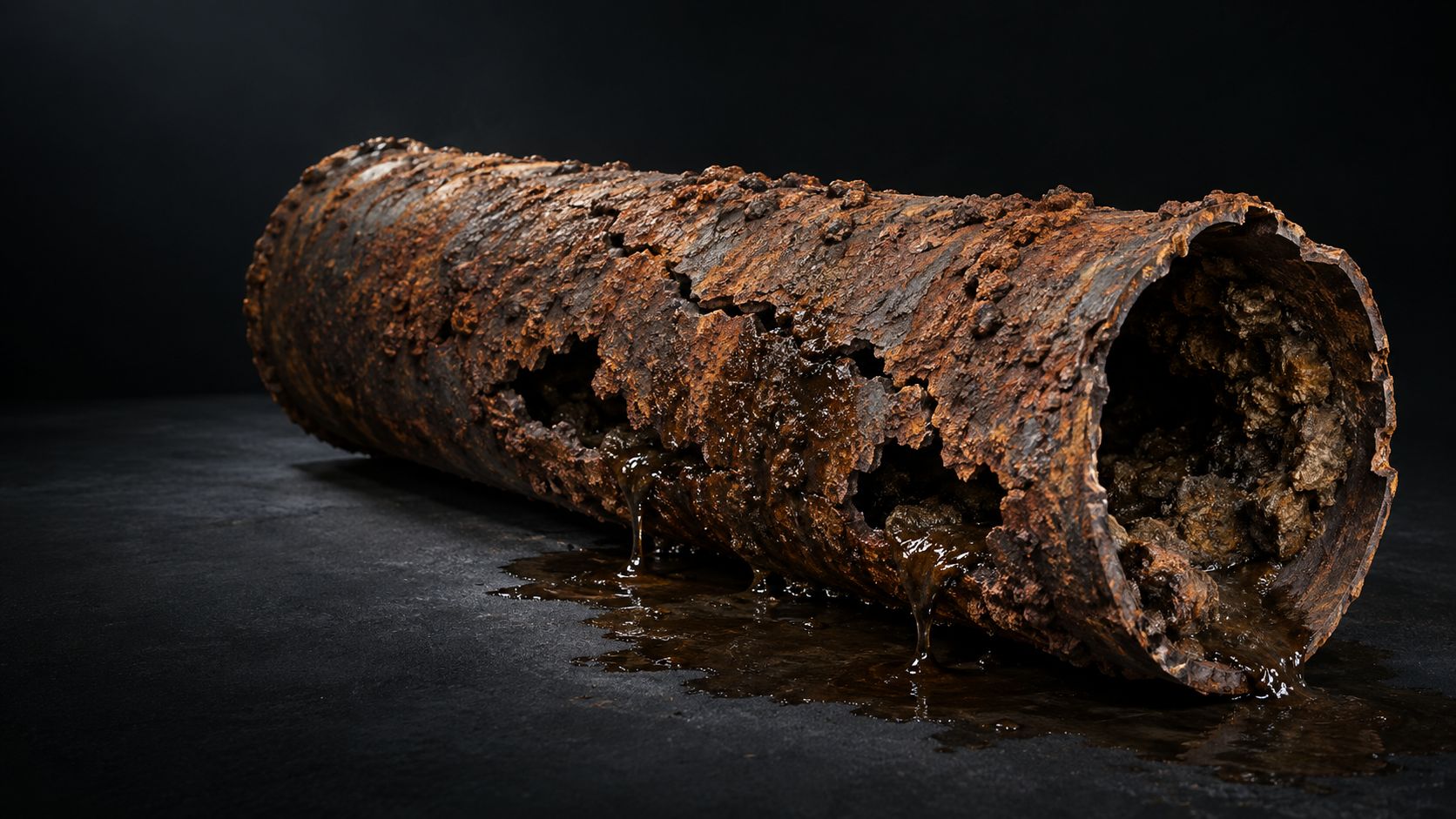

Roadway authorities use stormwater system cleaning to remove sediment, debris, and obstructions from culverts, cross-drains, catch basins, and connected drainage structures. A defensible scope identifies the assets, addresses access and traffic constraints, and specifies how completed work will be verified.
- Scope stormwater system cleaning around documented asset conditions, access constraints, and the authority’s maintenance requirements.
- Separate cleaning from structural repair. Document defects that require condition assessment or rehabilitation.
- Check the applicable permit before defining inspection, maintenance, and reporting obligations.
- Southeast Services provides stormwater cleaning and condition assessment for government clients statewide in Florida.
Why Stormwater System Cleaning Matters for Roadway Authorities
Roadway drainage maintenance concerns both the structure being cleaned and the connected system. Removing material from a pipe without addressing where it will be recovered leaves the scope incomplete. Cleaning also needs a defined endpoint, not an assumption that operating a jetting unit proves the asset is clear.
Southeast Services describes Pipeline Cleaning as controlled removal of sediment, debris, roots, and buildup using a method matched to the asset. Its published process includes assessing the need, selecting the method, verifying the result, and identifying defects that require further attention.
For an authority preparing a contract, those distinctions matter. A cleaning scope should identify what work is included, what evidence constitutes acceptance, and how the contractor will report conditions outside that scope. Inspection and rehabilitation are separate decisions, even when coordinated with cleaning.
Confirm the Permit & Responsible Operator
The Florida Department of Environmental Protection (FDEP), in its Municipal Separate Storm Sewer Systems guidance updated in 2026, defines a municipal separate storm sewer system (MS4) as publicly owned conveyances that collect or convey stormwater and discharge to state surface waters. Its examples include ditches, catch basins, and underground pipes.
FDEP’s 2026 guidance states that operators of large, medium, and regulated small MS4s require National Pollutant Discharge Elimination System (NPDES) permit coverage. It does not establish that every roadway authority holds the same permit or follows an identical maintenance schedule.
Start with the permit and the authority’s assigned responsibilities. Confirm which assets belong to the system, who maintains them, and which inspection and reporting conditions apply. Do not treat a cleaning report as proof that every permit obligation has been satisfied.
This guide is intended for Florida transportation maintenance teams, county road and bridge departments, toll authority operations staff, and public works managers. The work concerns public stormwater infrastructure, not residential plumbing or household drain cleaning.
Define a Cleaning Scope That Can Be Verified
Identify the Assets & Access Points
Provide the available asset inventory, maps, inspection findings, and maintenance history. Tie each work location to a structure identifier so the contractor’s field records can be matched to the authority’s system records.
Describe known access restrictions rather than assuming the contractor can reach every structure from the road shoulder. Missing records should be identified as a scope issue before work is priced.
- Identify culverts, cross-drains, catch basins, and connected structures.
- Provide known inlet and outlet locations.
- Record ownership boundaries and access restrictions.
- Flag assets that require field verification before a final scope.
Match the Method to the Material & Pipe Condition
The cleaning method should follow the observed obstruction and asset condition. Southeast Services’ published Pipeline Cleaning services include high-pressure jetting, vacuum recovery, mechanical cleaning, root cutting, and structure desilting. Those methods are not interchangeable simply because they all remove material.
A proposal should explain the selected approach and its limitations. Cleaning does not repair a broken pipe or resolve a structural defect exposed during the work.
- Describe the sediment, debris, roots, or buildup observed.
- Identify known pipe materials and condition concerns.
- Specify material recovery rather than leaving its destination unclear.
- Establish when work stops for assessment of an exposed defect.
Define Traffic Control & Site Responsibilities
Address roadway access in the scope, not as an assumption about the contractor’s capabilities. Confirm the authority’s requirements for work zones, traffic control, approved access, and coordination with other operations before mobilization.
Do not infer that a cleaning contractor supplies every traffic control service. Require the proposal to identify who arranges, provides, and approves each responsibility.
- Identify work locations affected by travel lanes or shoulders.
- State the authority’s access and work window requirements.
- Assign traffic control planning and implementation responsibilities.
- Record required approvals and coordination contacts.
Specify Inspection & Acceptance Records
Define how the authority will determine that the specified cleaning is complete. Where CCTV Pipeline Inspection is included, identify the required coverage, file format, structure references, and reporting expectations. Do not assume camera inspection is required after every cleaning activity unless the applicable scope or permit establishes it.
Southeast Services states that every condition assessment technician is NASSCO certified. Its condition assessment services include CCTV Pipeline Inspection and GIS system mapping, with methods selected to suit the asset and assessment objective.
- Tie cleaning records to the asset identifier and work date.
- Define the visual, photographic, or camera evidence required.
- Distinguish accessible areas from portions that were not inspected.
- Document remaining obstructions and observed defects.
- Specify the authority’s acceptance review process.
Document Recovery, Disposal & Follow-Up
The proposal should explain how removed material will be collected, handled, and taken to an appropriate destination. Applicable handling and disposal requirements need to be checked for the material and project, not reduced to a blanket statement that all culvert debris follows the same route.
Closeout should also distinguish completed cleaning from unresolved work. An inaccessible outlet, remaining obstruction, or observed defect needs a recorded next step rather than a generic statement that the system was serviced.
- Identify material recovery responsibilities.
- Require the applicable handling and disposal documentation.
- List incomplete work and access limitations.
- Separate maintenance recommendations from rehabilitation findings.
Compare Services by the Work They Address
Choose the service from the documented condition and the authority’s objective. The table describes different scope components, not a ranking of contractors or a promise of operating results.
| Service | Appropriate Scope | Evidence to Specify | Limitation |
|---|---|---|---|
| Pipeline Cleaning &Amp; High-Pressure Jetting | Removal of Obstructions and Buildup Within a Pipe | Cleaning Record and Agreed Verification Evidence | Does Not Repair Structural Defects |
| Vacuum Recovery &Amp; Structure Desilting | Removal and Recovery of Material from Catch Basins, Culverts, and Structures | Asset Records and Material Handling Documentation | Access and Recovery Arrangements Need to Be Defined |
| CCTV Pipeline Inspection | Documentation of Visible Internal Pipe Condition | Referenced Video and Condition Findings | Obstructions Can Limit the Inspection View |
| Coordinated Cleaning &Amp; Condition Assessment | Cleaning and Inspection Within a Defined Project Scope | Separate Completion and Condition Records | Does Not Guarantee a Particular Traffic Disruption Reduction |
| Emergency &Amp; Storm Response | Assessment and Work Addressing an Identified Storm-related Condition | Incident Scope, Work Records, and Unresolved Findings | Availability, Access, and Mobilization Must Be Confirmed |
Southeast Services provides Pipeline Cleaning, condition assessment, and emergency and storm response. For a roadway project, request the specific services needed and confirm the proposed responsibilities. Do not assume equipment reach, response timing, or traffic control capacity without written project confirmation.
Avoid Gaps Between Cleaning & Compliance
A maintenance contract should describe the work the authority needs and the records it will receive. It should not promise automatic permit compliance, restoration of rated hydraulic capacity, or a fixed reduction in lane closure time without supporting project evidence.
Common scope gaps to check include:
- Cleaning specified without a completion verification method.
- Camera inspection requested without identifying asset coverage or deliverables.
- Traffic control responsibility left unassigned.
- Disposal arrangements omitted from the proposal.
- Exposed defects treated as though cleaning repaired them.
- Permit renewal dates used as a substitute for an asset maintenance schedule.
The authority remains responsible for checking its applicable obligations. Contractor documentation can support that work, but the documentation needs to address the actual permit and maintenance program.
Frequently Asked Questions
What Does Stormwater System Cleaning Include for Roadway Authorities?
Stormwater system cleaning removes sediment, debris, and obstructions from identified drainage assets. The scope can include pipes, culverts, cross-drains, catch basins, and connected structures. Specify the cleaning method, material recovery, access requirements, and completion evidence. Add condition assessment where the authority needs a documented record of visible pipe defects.
How Often Should a Roadway Authority Clean Culverts?
Set the cleaning schedule from the applicable maintenance program, permit conditions, inspection findings, and documented asset history. This guide does not establish a universal interval. Identify observed accumulation, unresolved obstructions, and access constraints before assigning work. A permit renewal date alone does not define when a particular culvert needs cleaning.
Does Cleaning Alone Establish MS4 Compliance?
- Cleaning is a maintenance activity, not a finding that an entire MS4 program complies with its permit. FDEP’s 2026 guidance identifies regulated operators and permit coverage requirements. The authority must review its specific permit and program obligations, then retain the records required for the work and reporting involved.
Is CCTV Pipeline Inspection Required After Every Cleaning Job?
Do not assume CCTV Pipeline Inspection is required after every cleaning job. Check the applicable permit, contract, and acceptance requirements. Camera inspection documents visible internal conditions when included in the scope. Define the requested coverage and report limitations, particularly where access restrictions or remaining obstructions prevent a complete view.
Can Southeast Services Perform This Work Statewide in Florida?
Southeast Services of the Treasure Coast, Inc. is a Florida-licensed contractor headquartered in Vero Beach and serving clients statewide. Its services for government clients include stormwater cleaning, condition assessment, and rehabilitation. Request a project-specific scope that confirms the selected methods, access arrangements, documentation, and responsibilities before authorizing roadway work.
Related Guides
Request a Documented Stormwater Scope
Southeast Services has been in business since 2005 and has 10M+ feet of pipe experience. Experience does not replace project evidence. The roadway scope still needs identified assets, documented conditions, defined responsibilities, and agreed deliverables.
Southeast Services of the Treasure Coast, Inc. is a Florida-licensed contractor headquartered in Vero Beach and serving clients statewide.
To discuss stormwater system cleaning, provide the available asset inventory, inspection records, access restrictions, and permit requirements. Contact Southeast Services of the Treasure Coast, Inc. at 815 10th Court SW, Vero Beach, FL 32962. Call 772-226-7416 or toll-free 888-808-CIPP (2477). Email solutions@southeastservices.com.
Request a Stormwater Scope
Discuss the assets, access requirements, and documentation your roadway maintenance project needs.