UV-CIPP lining for stormwater culverts under municipal roadways is an option when inspection, access and engineering support a liner. It is not a default substitute for culvert replacement. The host pipe condition and the required hydraulic capacity determine the scope.
- UV-CIPP lining for stormwater culverts belongs in a municipal specification only after condition and hydraulic review.
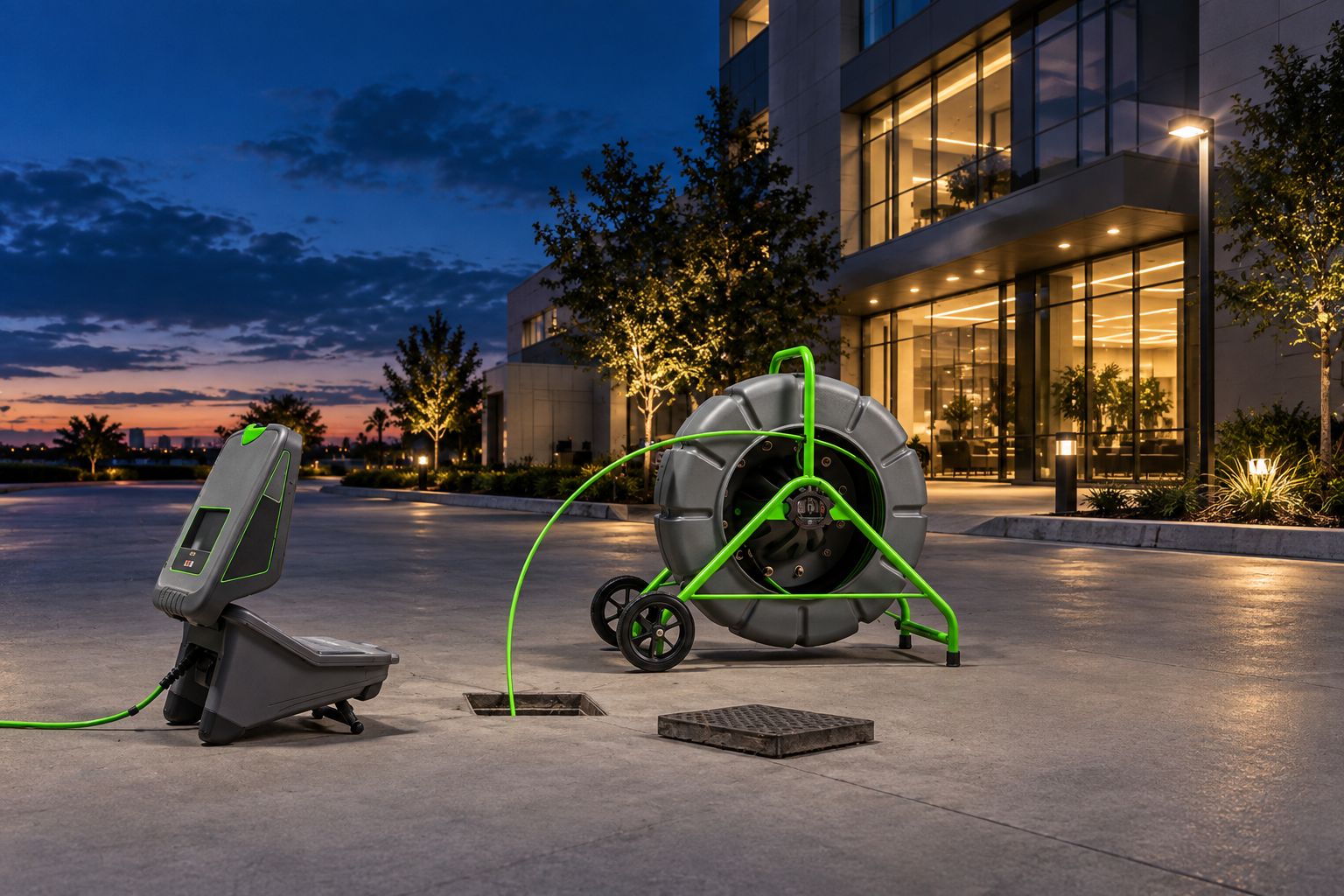
- CCTV pipeline inspection documents defects, access and the work needed before lining.
- ASTM International F2019-20 addresses installation of UV-cured glass reinforced CIPP in conduits, including storm sewers.
- A documented design and acceptance plan is more useful than an unsupported cure-time or service-life promise.
Why Roadway Culvert Condition Matters
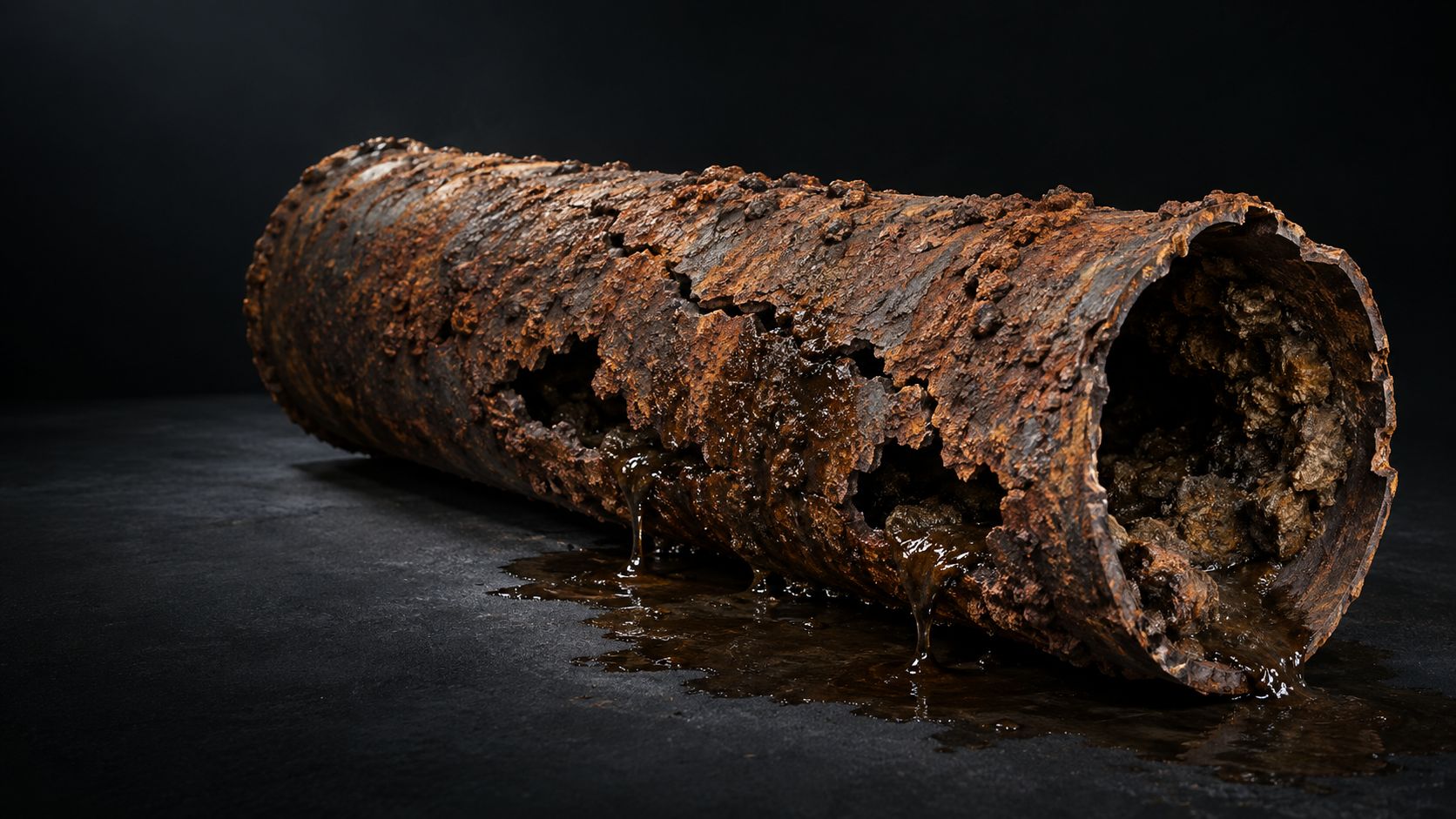
A stormwater culvert carries flow beneath a roadway. Corrosion, joint separation, deformation, sediment and displaced material call for different responses. A liner cannot correct every failure, and it must not be specified from a surface observation alone.
Municipal owners need a record that connects the defect to the proposed work. The Federal Highway Administration's 2012 bridge management review describes how condition records and inspectors' recommendations inform work on bridges and culverts. A municipal culvert record should make that decision visible to the owner and engineer. That principle matters in Florida, where a roadway crossing must remain part of a functioning stormwater system during rain events.
The starting point is a documented condition assessment. Record the pipe material, shape, defects, connections, sediment, access and outfall conditions. Confirm what can be seen by camera and what still requires field verification. A defensible rehabilitation scope follows the evidence, not a predetermined liner product.
Where UV-CIPP Lining for Stormwater Culverts Fits
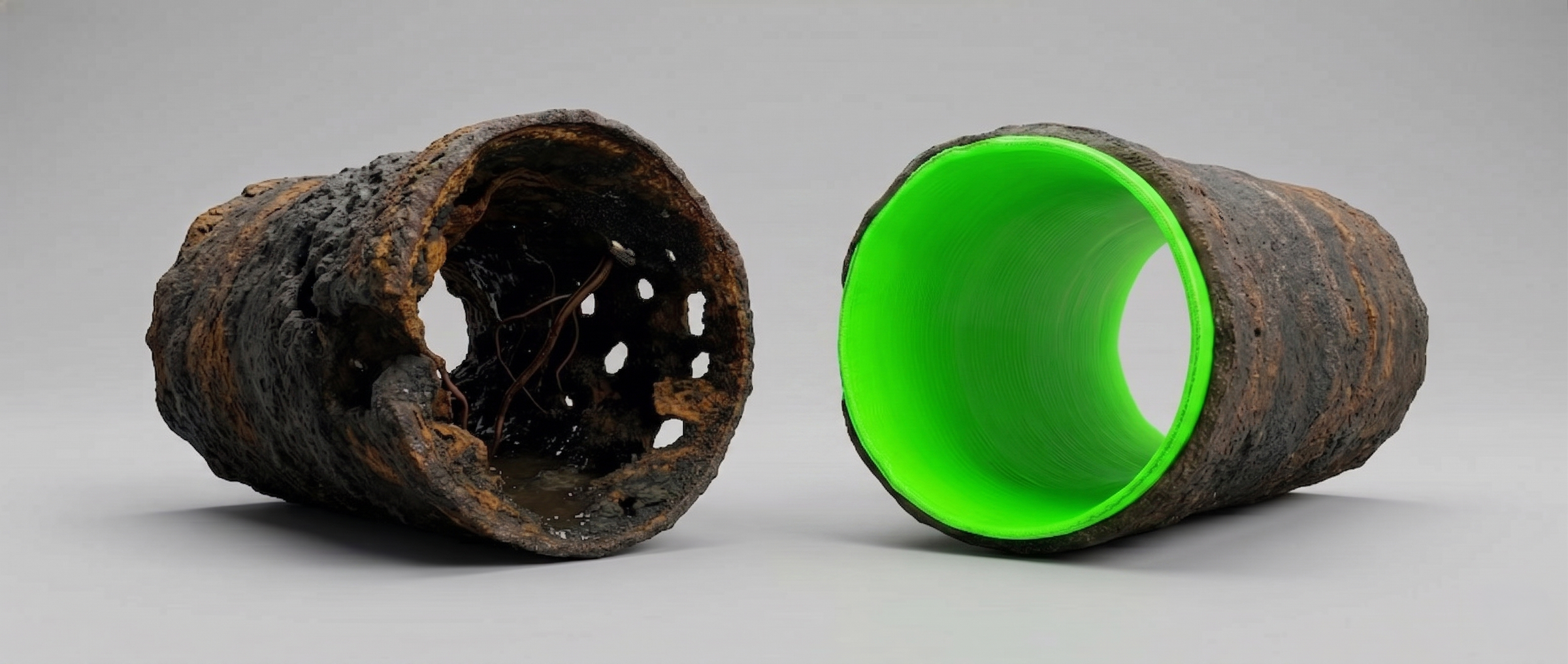
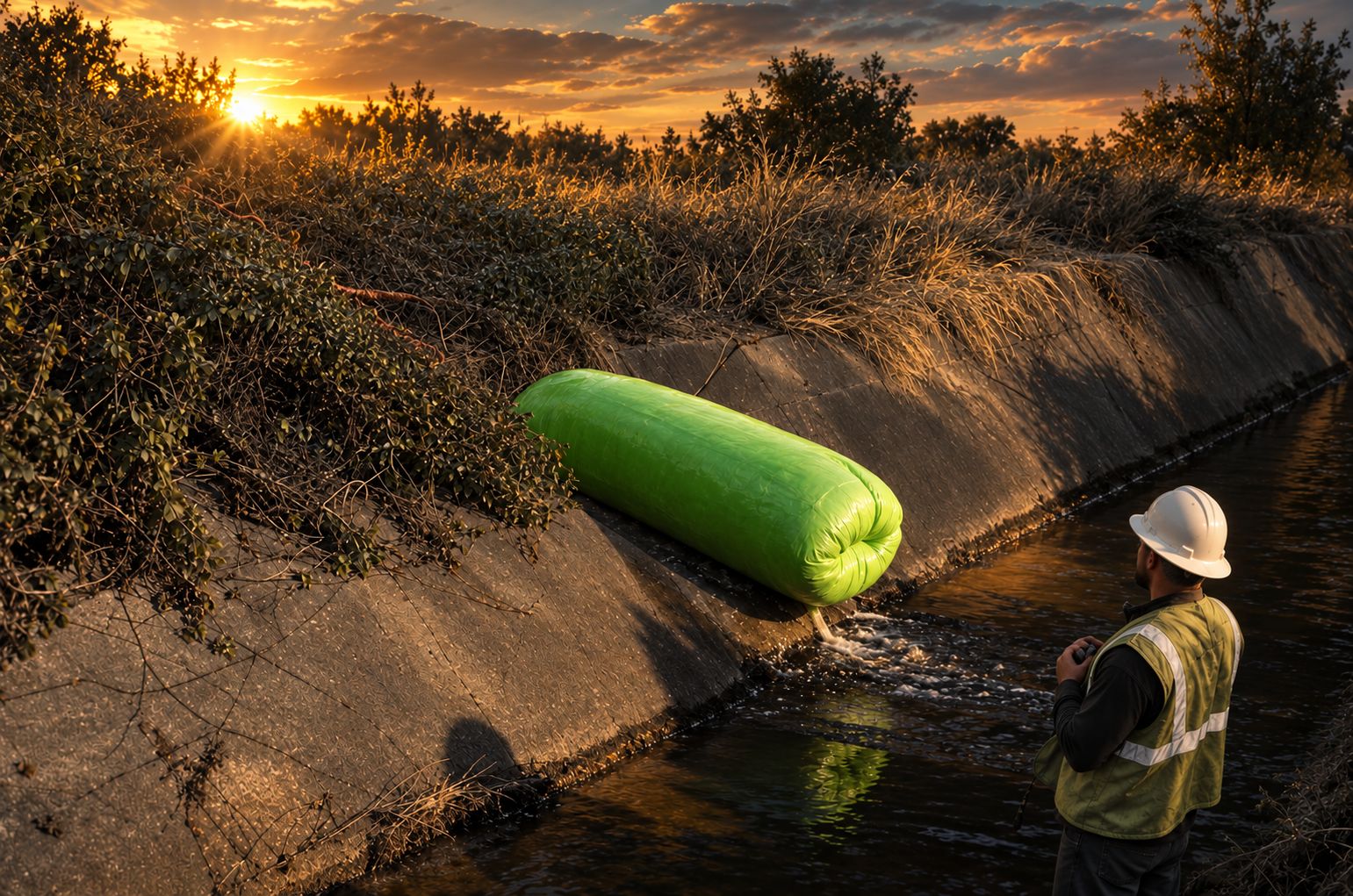
Cured-in-place pipe (CIPP) lining forms a pipe inside an existing conduit. For a UV-cured glass reinforced system, the liner is pulled into place, inflated and cured with ultraviolet light. ASTM International's F2019-20 standard, published in 2020, describes this installation method and includes storm sewers among its gravity-flow applications.
That standard is not a blanket approval for every culvert. The owner and engineer still need to establish the host condition, liner design, access, flow management and acceptance criteria for the actual crossing. Do not turn the standard's scope into a promise about cure time, service life or the structural capacity of an unexamined culvert.
Corroded Metal Culverts
Inspect the invert, crown, seams and connections. Document wall loss and any deformation before deciding whether a continuous structural liner is suitable. If the host has lost shape or the surrounding ground is unstable, the design must address those conditions rather than simply cover the visible corrosion.
Concrete Culverts with Joint Defects
Record joint openings, cracks, displacement and evidence of soil movement. A continuous liner may address a suitable round conduit, but a joint defect alone does not prove the entire crossing needs lining. Compare the extent of damage with a targeted repair and specify the approach supported by inspection.
Constrained Roadway Access
Assess where crews and equipment can work without assuming the road can stay open. The traffic plan, available access points and stormwater flows govern the work window. UV curing is a method to evaluate, not a guarantee of a particular lane closure or return-to-service time.
What the Culvert Specification Must Cover
Condition & Structural Design
Identify the design assumptions and who is responsible for them. The engineer should state whether the existing culvert contributes structural support and what loads the proposed liner must carry. The bid should also describe how defects outside the lined segment will be handled.
Hydraulic Capacity & Connections
Lining changes the inside geometry of the culvert. Confirm that the finished section can carry the required design flow and that inlets, outlets and connected drains remain functional. The Federal Highway Administration's culvert hydraulic analysis program illustrates why hydraulic assessment is a separate design task. A structural lining decision does not settle the flow question.
Cleaning, Access & Flow Management
Identify sediment, roots, obstructions and material that must be removed before lining. The cleaning method must fit the host pipe condition. Document how water will be managed during preparation, installation and inspection. If the culvert cannot be prepared safely or the liner cannot be installed through available access, revise the method before issuing the scope.
Installation & Acceptance Records
Name the proposed liner system and applicable installation standard. Require the contractor's installation records, documented cure verification, material testing where the specification calls for it, and post-installation inspection. Define how defects discovered during preparation or final inspection will be resolved. Do not accept a generic line item that says only CIPP lining.
When Not to Prescribe UV-CIPP
Do not prescribe UV-CIPP when inspection is incomplete, hydraulic capacity is unresolved, the conduit shape does not suit the proposed system or access prevents a controlled installation. Those are scope gaps, not reasons to guess at a liner thickness or a work window.
Replacement, sectional repair or another rehabilitation method may be more appropriate. The decision belongs in a documented alternatives review that considers host condition, flow, access and the required finished asset. Southeast Services provides assessment, cleaning and trenchless rehabilitation for Florida municipal stormwater systems. The method follows the condition assessment.
Frequently Asked Questions
What Is UV-CIPP Lining for a Roadway Culvert?
UV-CIPP is cured-in-place pipe lining that uses ultraviolet light to cure a liner inside an existing conduit. ASTM International F2019-20, published in 2020, describes a pulled-in-place glass reinforced system and includes storm sewers in its scope. Suitability for a particular crossing still requires inspection and project-specific design.
Does UV-CIPP Eliminate Road Closures?
No. Crews still need safe access, traffic control and a plan for managing water through the crossing. The required closure depends on the site and approved traffic plan. Do not specify a closure duration from a generic cure claim before assessing access and the actual installation method.
Can a Liner Fix a Culvert with Major Deformation?
Not by assumption. The host shape, surrounding ground and design loads must be documented before a liner is selected. Where deformation or instability affects installation or structural design, the engineer should evaluate other rehabilitation methods or replacement. A camera record alone does not resolve conditions outside the pipe.
What Records Should a Municipality Require After Lining?
Require the records named in the project specification, including installation and cure documentation, material tests where specified, and post-installation inspection. The owner should be able to compare the completed work with the accepted design and identify defects requiring correction before adding the crossing to the asset record.
Key Takeaways for the Bid
A culvert bid should say what inspection found, what the design assumes and how the finished crossing will be checked. It should not promise a cure duration, traffic outcome or liner life unsupported by the selected system and the project documents. Assess the crossing, confirm hydraulics, then specify the repair. Record unresolved conditions in the procurement documents so bidders know what must be confirmed before the liner system and acceptance criteria are finalized.
Southeast Services of the Treasure Coast, Inc. is a Florida-licensed contractor headquartered in Vero Beach and serving clients statewide. Contact the municipal team at 772-226-7416 or solutions@southeastservices.com. The office is at 815 10th Court SW, Vero Beach, FL 32962.
Request a Culvert Assessment
Discuss inspection, cleaning and rehabilitation scope with the municipal team at 815 10th Court SW, Vero Beach, FL 32962.